Should a Los Altos HOA send the janitorial vendor to clean up a chemical spill in a common garage?
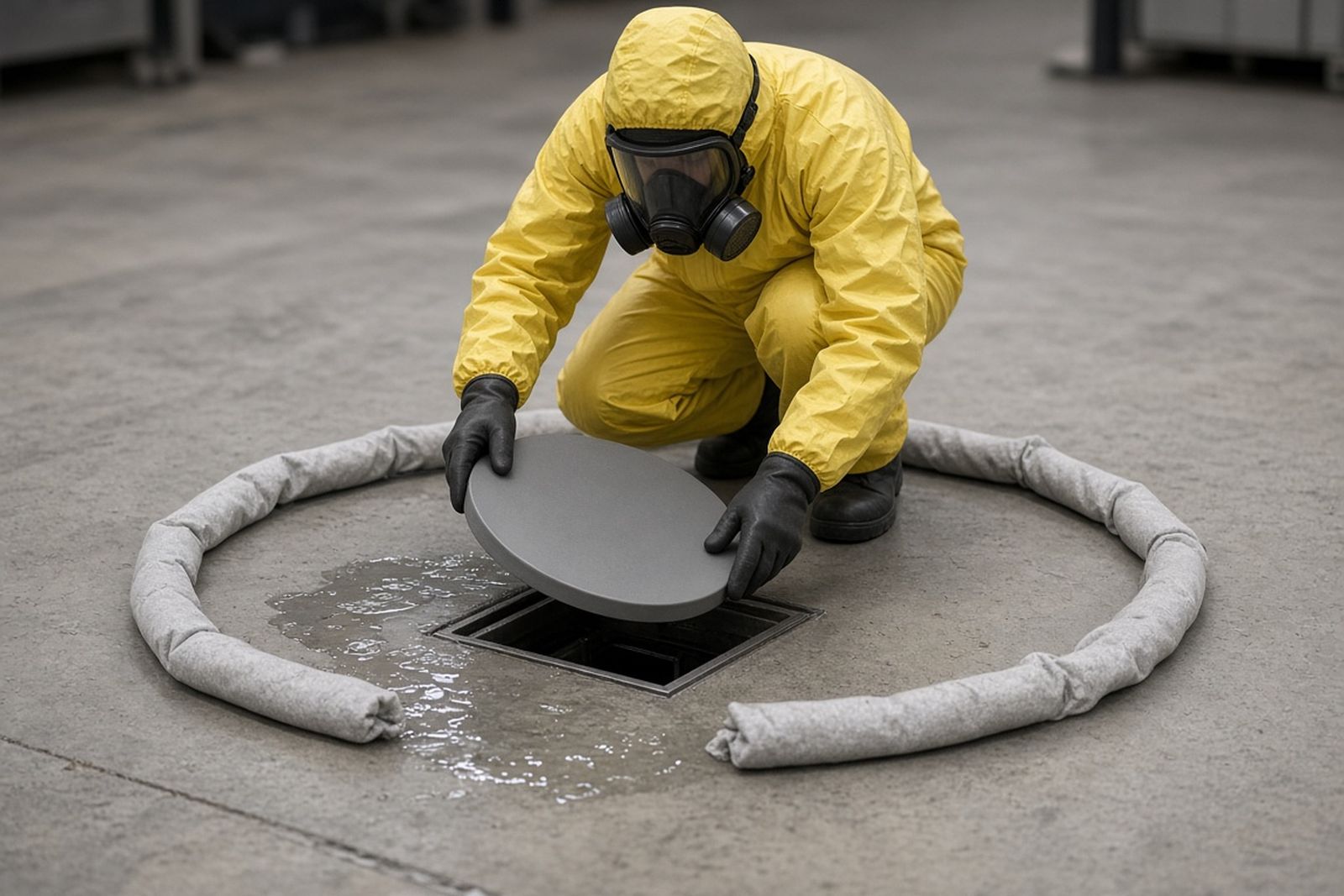
No. A cleaning crew handles everyday dirt, not unknown or regulated chemicals. Sending untrained workers into fumes or air that could catch fire puts lives at risk and raises liability. It can also push the spill into drains. The right first steps are to close off the area, call for emergency help, and save any SDS or product papers you can reach safely. The fire department may run the scene until the hazards are sorted out. After the emergency, a spill contractor trained under OSHA's hazardous waste and emergency response rule does the rest. That means holding the spill, recovering it, cleaning surfaces, and packing waste. Los Altos HOA boards should update vendor rules. A work order about a chemical smell or a fuel sheen should go to emergency steps, not a mop crew. Written job scopes should forbid home-made neutralizing and hosing spills away.
How do ignition and vapor risks affect indoor spill decisions?
Fumes that can burn may creep along floors into electrical rooms, elevator pits, or garage light circuits. Turning on fans, plugging in tools, or making sparks during an unknown spill can set off a fire. Fumes also get more toxic when they build up in a closed room. Responders may set up zones around the spill and control airflow on purpose. Do not air out a garage with leaf blowers or shop fans when you are unsure about fuel or solvent. Put out open flames only if it is clearly safe and you are told to. In Los Altos apartment or HOA buildings, fumes moving into shared hallways may mean more people must leave. Treat a smell as a sign to close off the area and call for help. Do not cover it with air freshener.
What role does product identification play before absorbents are chosen?
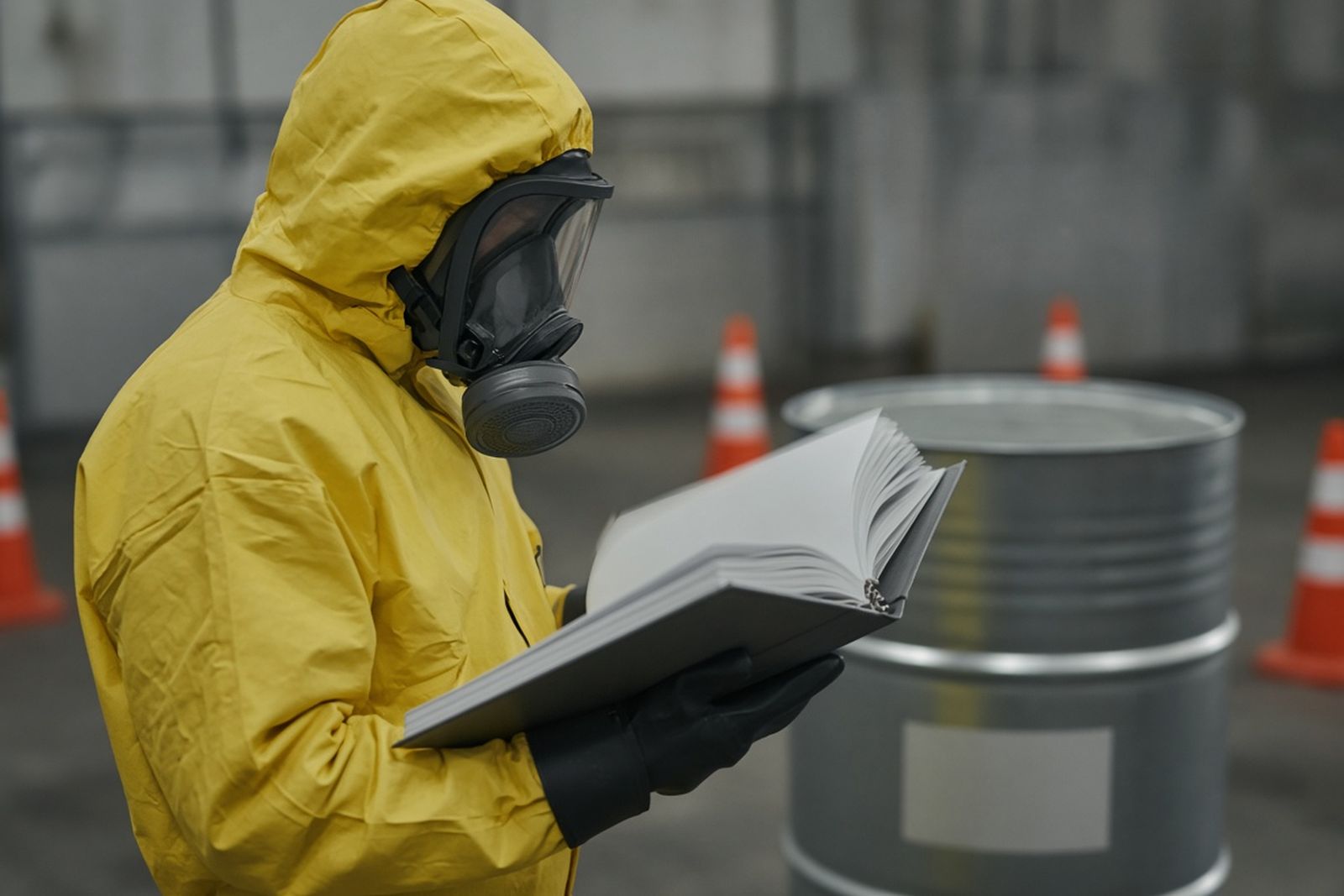
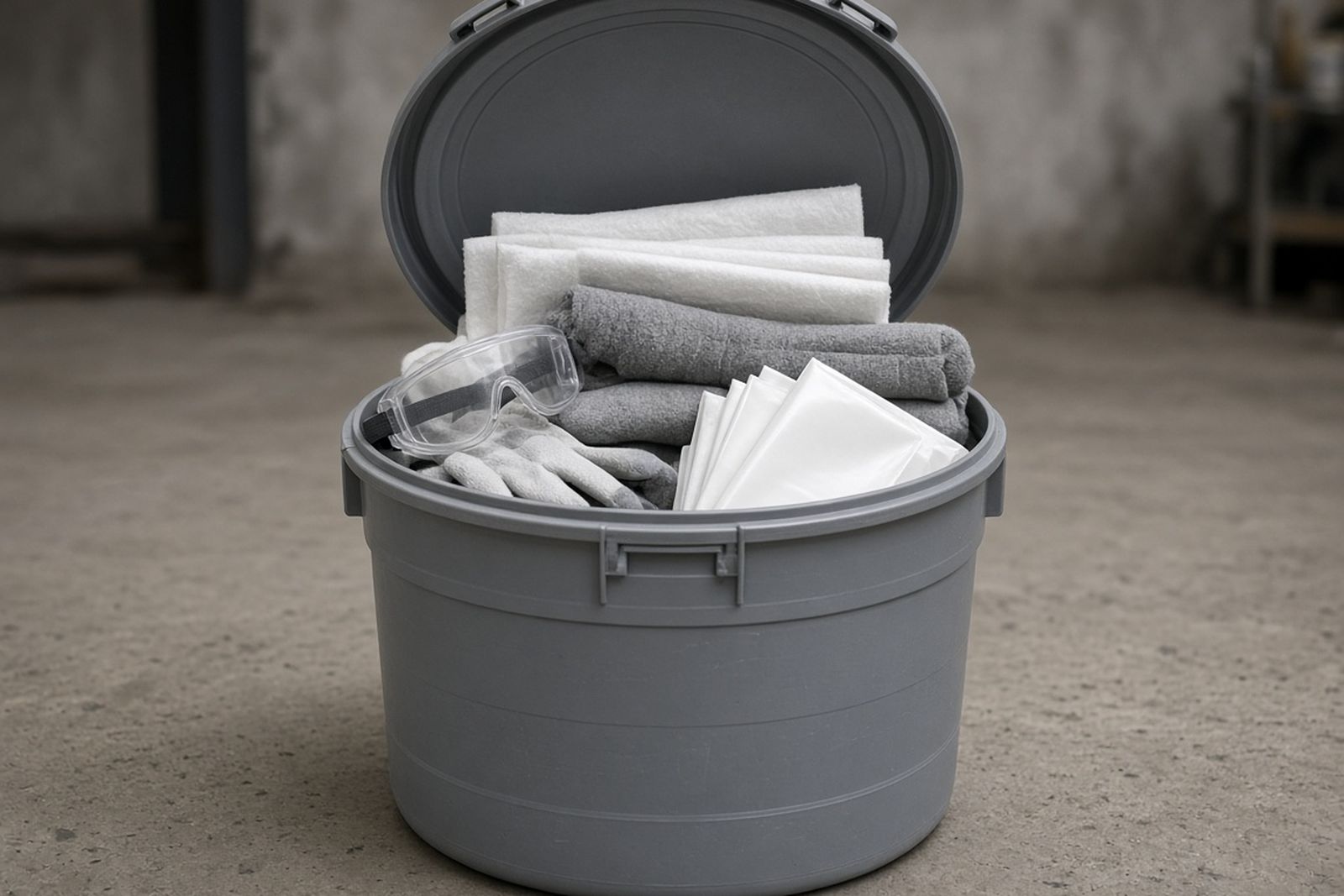
No absorbent or neutralizer works on every product. An acid, an oxidizer, a solvent that burns, and a strong pesticide each need different controls. The SDS and trained field checks tell crews what is safe to use. The wrong choice can make heat, chlorine gas, or fire. Property contacts help by finding purchase records and SDS binders. They should not test with pH strips or household mixes. Until the product is known, the safer choice is to stop the spread without stirring things up. Los Altos remodel and landscape jobs often leave half-used containers behind. If labels are missing, treat those leftovers as unknowns. Naming a product is a job for trained people, not a home science project.
Which documents prove waste was handled lawfully after a Los Altos spill?
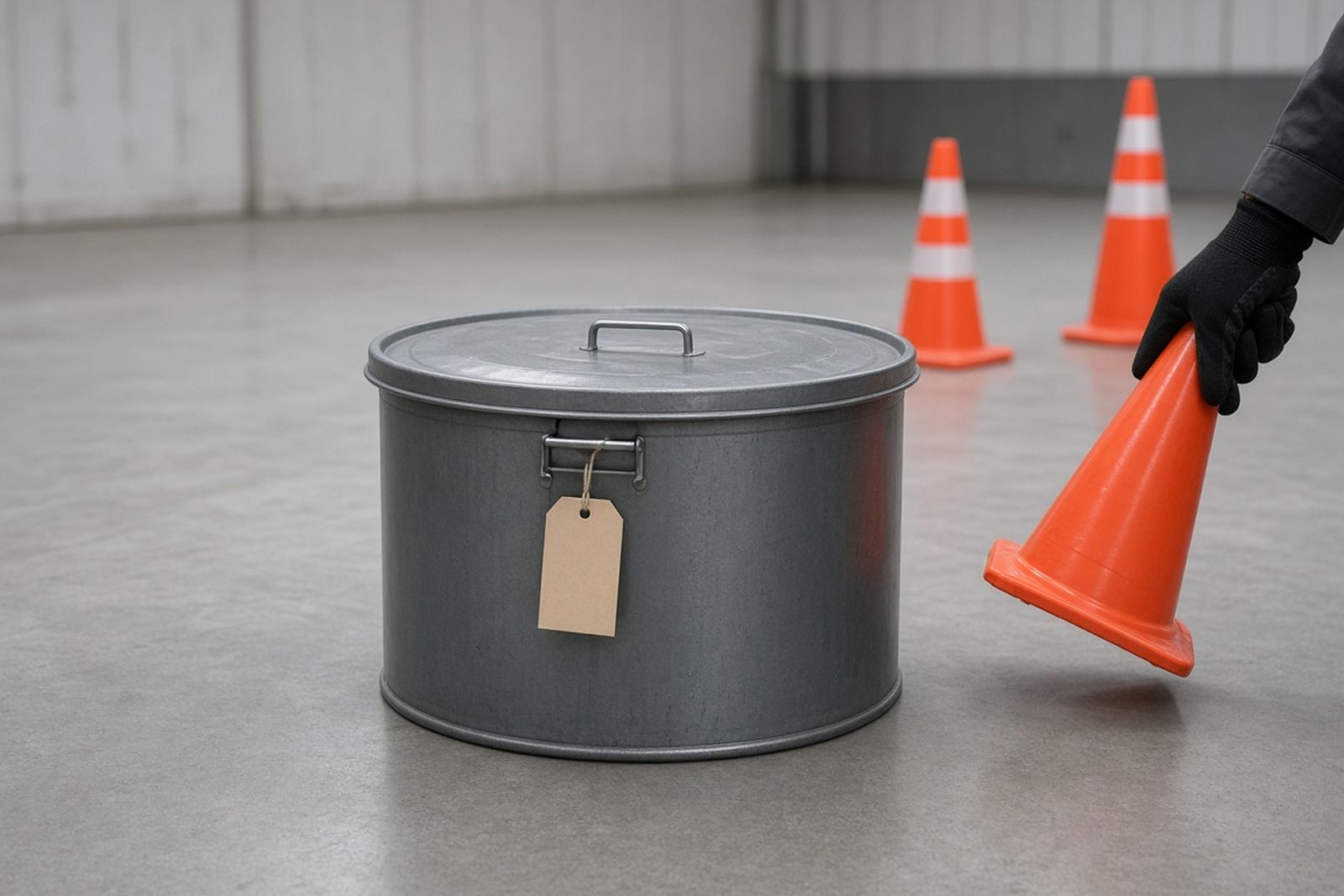
Keep the waste test sheets, drum or bag counts, waste codes or shipping names, and the hauler's license details. Keep the waste shipping record signed all the way to an approved facility. Take photos of the packed waste before pickup. Keep the SDS copies used for testing. City household hazardous waste programs may take some small home leftovers. Even so, note what left as part of the emergency and what residents dropped off later. Do not blur the two. Boards and managers should file these papers with insurance notices. Federal hazardous waste and transport rules apply when regulated materials travel on public roads. A missing waste shipping record causes rule and claim problems long after the floors look clean.
How should property managers communicate with residents during a spill?
Share only facts you know: a spill happened, some areas are closed, and emergency crews are in charge. Do not name a chemical until qualified people confirm it. Skip graphic details, and do not promise a reopen time before test targets exist. Give residents one contact for access questions. Remind them not to enter closed areas or move containers. In Los Altos HOA buildings, factual notices keep rumors from drawing people back in too soon. After the checks are done, point to the written test targets when you say an area is open. Do not say "it smells fine." Keep copies of all notices for insurers and regulators. Make sure emails, door signs, and board updates all say the same thing, so no one walks back into the spill area too early.
An ADU build next door left paint thinner and adhesive cans leaking near my fence. What should I do?
Stay back from the cans. Keep children and pets away, especially if you smell solvent. Call emergency services if the leak is spreading, the fumes are strong, or you cannot tell what the product is. If it is a small drip from a clearly labeled can and it is not moving, call the general contractor and the owner right away. Ask them to have trained people handle it. Do not move the cans onto your side or rinse the residue toward the gutter. Photos taken from your own yard will help later.
Does being near schools change how a Los Altos spill is handled?
It can change the timing and the messages. Smells near a school pickup route or a campus fence may lead responders to clear a wider area. School staff may need to be told how to route families. Your part is to report the spill quickly, give the exact location, and not spread your own guesses about the chemical. Let fire officials and the school decide what parents hear. Write down when you called and who you spoke with.