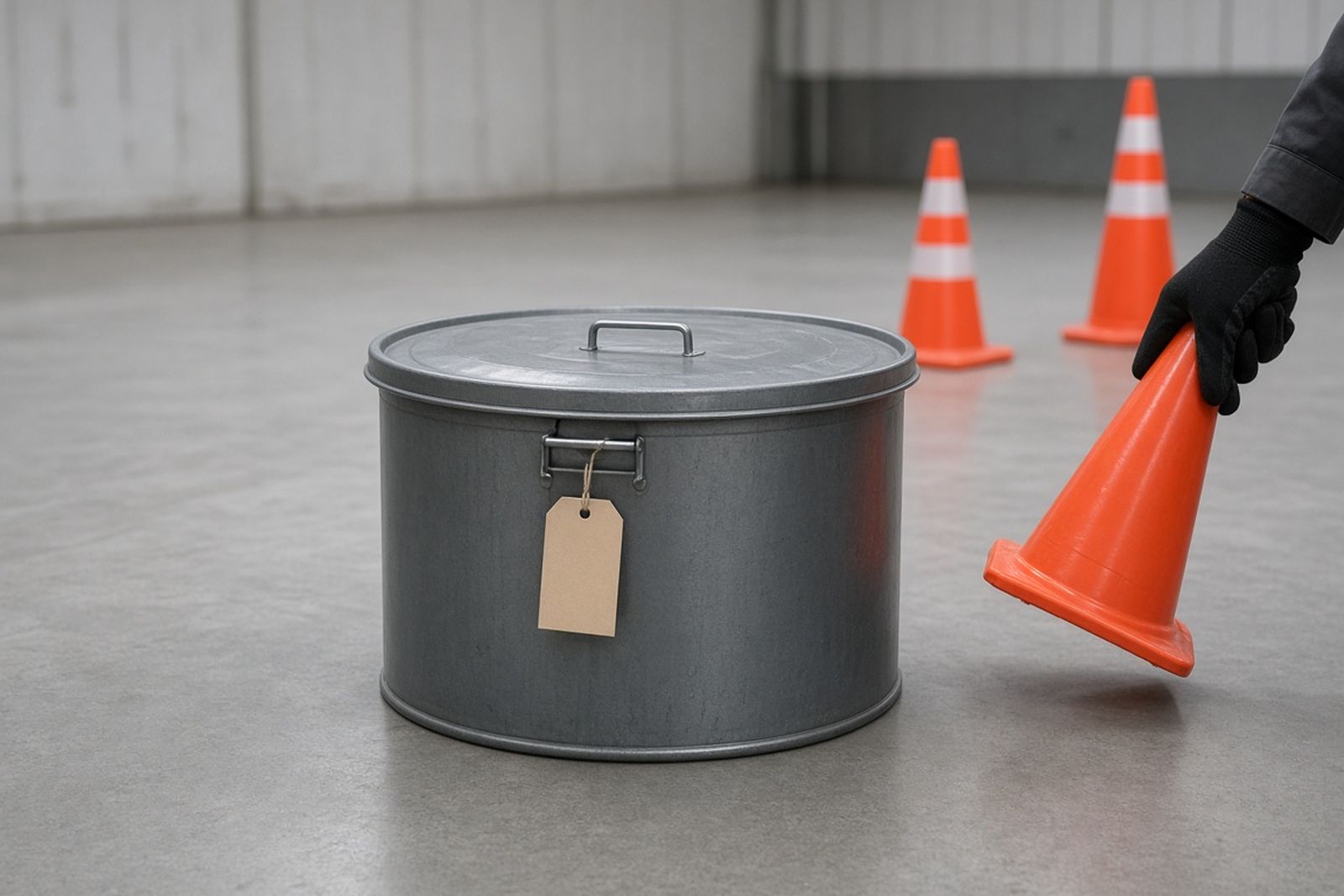
Lake Forest, IL

Hazmat Spill Response in Lake Forest, IL

What to do, who to contact, and what to ask in Lake Forest.

Heating oil or chemical spill in Lake Forest? Get people out, call 911, keep it out of ravines to Lake Michigan, and know what to keep.

Get an email reply about hazmat spill response

Send a short message to the follow-up inbox. A coordinator can reply by email. This form does not send emergency help; call 911 first if anyone is in danger.

Tell us what you need help with. Share a short description; please leave out medical details, access codes, and other sensitive information.

A request does not confirm a booking. For immediate danger, contact local emergency services.

Or email info@hazmatspillcleanup.online

The short answer for Lake Forest, IL

A heating oil smell or a spill at your Lake Forest home, shop or school means two things first: move people upstairs or outside, and call 911. Do not rinse it toward a ravine drain, which leads to Lake Michigan. Here is what to give Lake Forest Fire, when Illinois EPA may want a report, and what to keep.

What to do, step by step

  1. 1

    Get everyone out and stay off the basement stairs

    If anyone is dizzy or oil is spreading, everyone leaves the house and someone calls 911. Do not relight the furnace or water heater pilots, and do not aim fans toward a leaking oil tank. Stay out of the basement, the laundry room and any bulkhead or crawl space that shares air with the tank area. Wait on the lawn or at the circle drive, where Lake Forest Fire can find you quickly.

  2. 2

    Hand over oil tickets and inventories from upstairs

    From upstairs or a parked car, give responders your oil delivery tickets and any Safety Data Sheets. On campus, the closet inventory kept in the office does the same job. Leave unlabeled totes closed, whatever they smell like. Field checks fill in what the papers do not say. The crew holds off on choosing an absorbent until the product is known. Your caretaker should not try a cleaner from under the sink.

  3. 3

    Ask how the ravine drains are protected

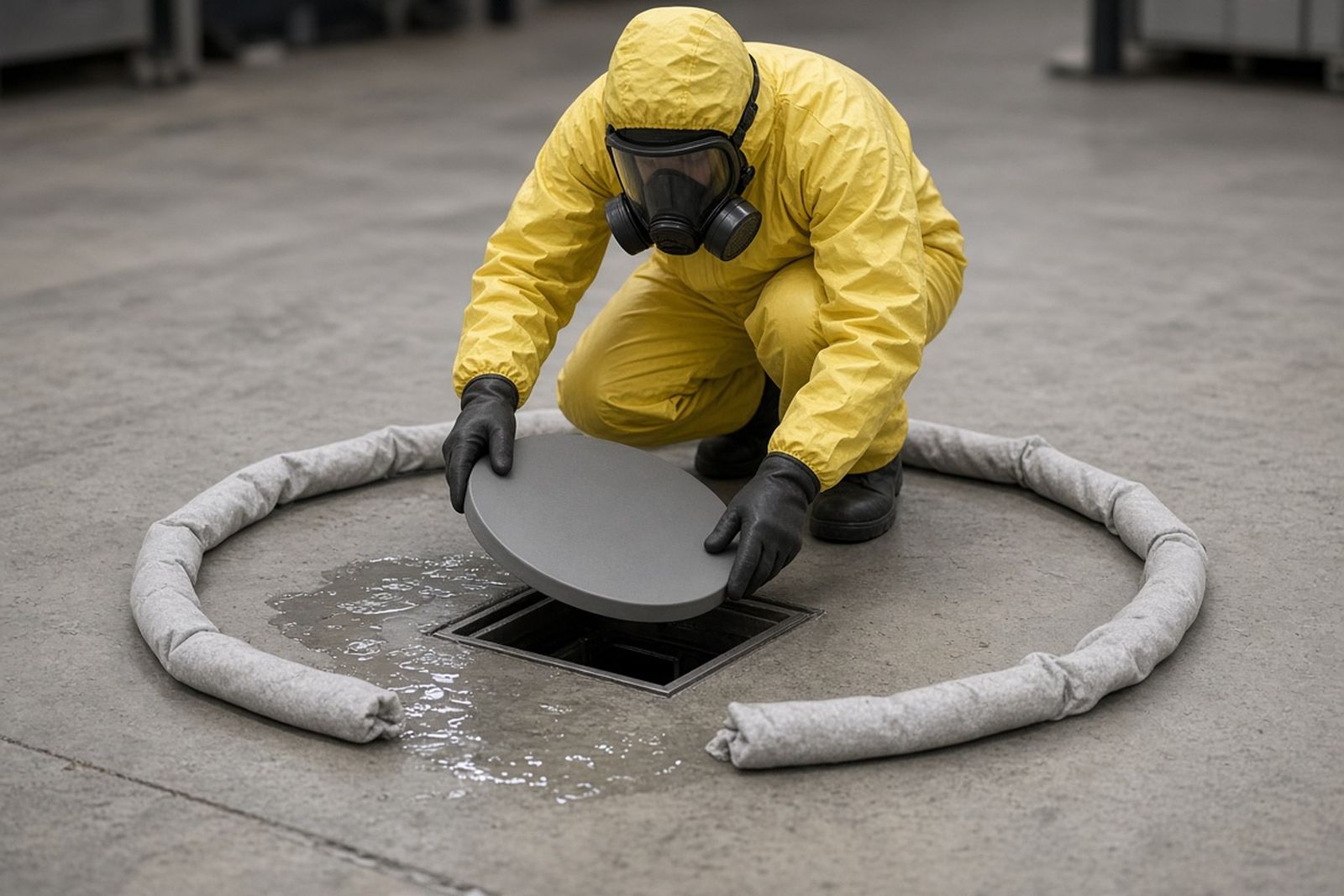
    Bluff and ravine drains carry runoff toward Lake Michigan, so a good crew protects them once it knows the product. Lake Forest Fire may bring in state environmental staff from Illinois EPA when oil reaches a ravine or soil. If heating oil heads down a ravine to the lake, the National Response Center may need a call too. Ask what has been reported. A Saturday showing does not change that.

  4. 4

    Keep bedrooms closed until the results fit the hazard

    A lab tests the oily pads from your basement, and each load leaves with a trucking paper that you should keep. Keep the bedrooms above the basement closed until air or wipe targets fit the hazard. A dry laundry floor does not mean showings can resume. If you are selling, tell your agent the house is off the market until the readings are in. Ask whether the tank will be repaired or removed, and get that in writing.

What cleanup is like in Lake Forest

Lake Forest homes and village shops face different spills than a city freight bay. Many Sheridan Road homes still use buried or basement oil tanks under finished living floors. Market Square alleys take in pesticide and paint deliveries, and Lake Forest College annex closets hold teaching solvents. A Saturday showing may turn up a sheen by your laundry sink before anyone has a Safety Data Sheet (SDS). Move people upstairs or outside. Call 911, and do not touch a switch or light a flame until responders say it is safe. Your caretaker should never push oil toward the basement drain to get ready for a showing.

Lots on the bluff drain toward ravines that lead to Lake Michigan. A single hose rinse can push oil down a ravine toward the lake in minutes. Oil that reaches a ravine may need a state report, whatever your insurer says. Bring the oil company's tickets from the kitchen desk for responders. Your landscaper is not a hazmat team, so do not ask the crew to deal with it. Keep everyone off the slope, which can be slick, and wait for trained help.

Whether you manage an estate, sit on a condo board or run school facilities, agree on a few things ahead of time. Which basement stairs stay taped? Which circle drive meets the fire trucks? Which ravine inlets get barriers first? From a safe spot, photograph any sheen heading toward a ravine drain. A home sale timeline does not change the order. The area is closed, the product is named and held, the waste leaves legally, and your rooms are cleared in writing.

What to expect for your type of home

  • Homes with buried or basement oil tanks: The tank sits right below the bedrooms, so fumes do not have far to go. Ask for air readings upstairs before anyone sleeps there.
  • Bluff lots: Ravine catch basins shorten the trip from a film at your home to the lake. Show the crew the nearest basin, and keep hoses turned off.
  • Market Square shops: Alley deliveries can leave unlabeled paint totes next to trench drains. Ask the supplier what was delivered, and keep staff from moving the totes.
  • Campus storerooms: Alcohols may sit near oxidizers. Nobody should sort them until the chemistry department's list turns up, so lock the room and fetch the list.
  • Older Sheridan Road estates: A generator parked by wooden carriage house stairs raises the fire risk during refueling. Refuel away from the stairs, and tell responders where fuel is stored.

Papers and records to keep

  • Photos from the stairs of the oil and the floor drain
  • Oil delivery tickets, Market Square pesticide labels or college SDS you handed over
  • The hour the oil was noticed, who left the house, and where the engine parked
  • Case numbers from Lake Forest Fire and the state
  • A note of where the ravine drain was protected
  • Signed papers showing where the basement pads ended up
  • Readings showing the rec room and upstairs bedrooms were safe again
  • The day your family called its insurer and the listing agent

Local offices and official help

Common questions in Lake Forest

Buyers at our Sheridan Road open house noticed a fuel oil smell from the basement stairs. What first?

Walk everyone out to the lawn, and call 911 if the smell is strong. Do not mop toward the laundry drain. Have the oil tickets and product sheet ready for responders. Your realtor should wait on the lawn with the buyers, and nobody should start cleaning. Leave the furnace and the light switches alone on your way out, and keep the basement door closed.

Can Lake Forest College custodians tidy up unlabeled bottles in a science storeroom?

No. Bottles of mixed teaching chemicals can react. Shut the door and keep students out. Call 911 if it smells or no one knows what is inside. Give responders the department inventory from an office. Never open a bottle in the closet to check. A class schedule does not make it safe, so the lab session can move or wait until the room is cleared.

Why does oil on a bluff-top driveway matter more than on flat ground?

Because ravines carry runoff toward Lake Michigan, so hosing oil away can turn it into a state matter. Rain can do the same thing, so call early. After the oil type is confirmed, a trained team dams the ravine drain and lays pads. Keep your hose off and keep cars away from the film. A Saturday showing never justifies rinsing oil off the drive or the basement slab.

What should I file as an estate manager after a carriage house generator spill?

Keep the oil tickets and the bedroom air results with the waste lab results and signed shipping records. Add the fire case number and any state reference. Note whether the buried or basement tank was repaired or removed. A future buyer will ask for this file, so keep it with the house records. Your insurer may want copies as well.

A heating oil smell rose from our finished basement overnight. When is it safe to sleep in the bedrooms above?

Once air targets that fit the hazard are met. The basement stair and the forced-air returns may have drawn fumes upstairs, so those should be checked too. Dry concrete downstairs is not enough. Get the room readings on paper, signed. If someone in the family still has a headache or sore throat, do not sleep there yet.

How should I handle an old buried heating oil tank before selling my Lake Forest home?

Many older North Shore homes still have buried or abandoned oil tanks. Have a tank expert look at yours before the house goes on the market. If they find a leak or stained soil, follow their advice on reporting and cleanup. Keep all reports for buyers and your insurer. Do not have staff dig around the tank themselves. If you smell oil indoors, call your oil company or 911.

I saw a sheen in a ravine after heavy rain. What should I do?

Stay on the path, and keep children and dogs out of the water. Ravine slopes can be slippery after rain, so do not climb down for a closer look. If the sheen is large, smells of fuel or keeps flowing, call 911 and name the nearest street or trail entrance. For a small, fading film, contact city staff. Note the time and take a picture from the trail.

Technician in a yellow suit and respirator reading a safety data sheet binder beside a drum
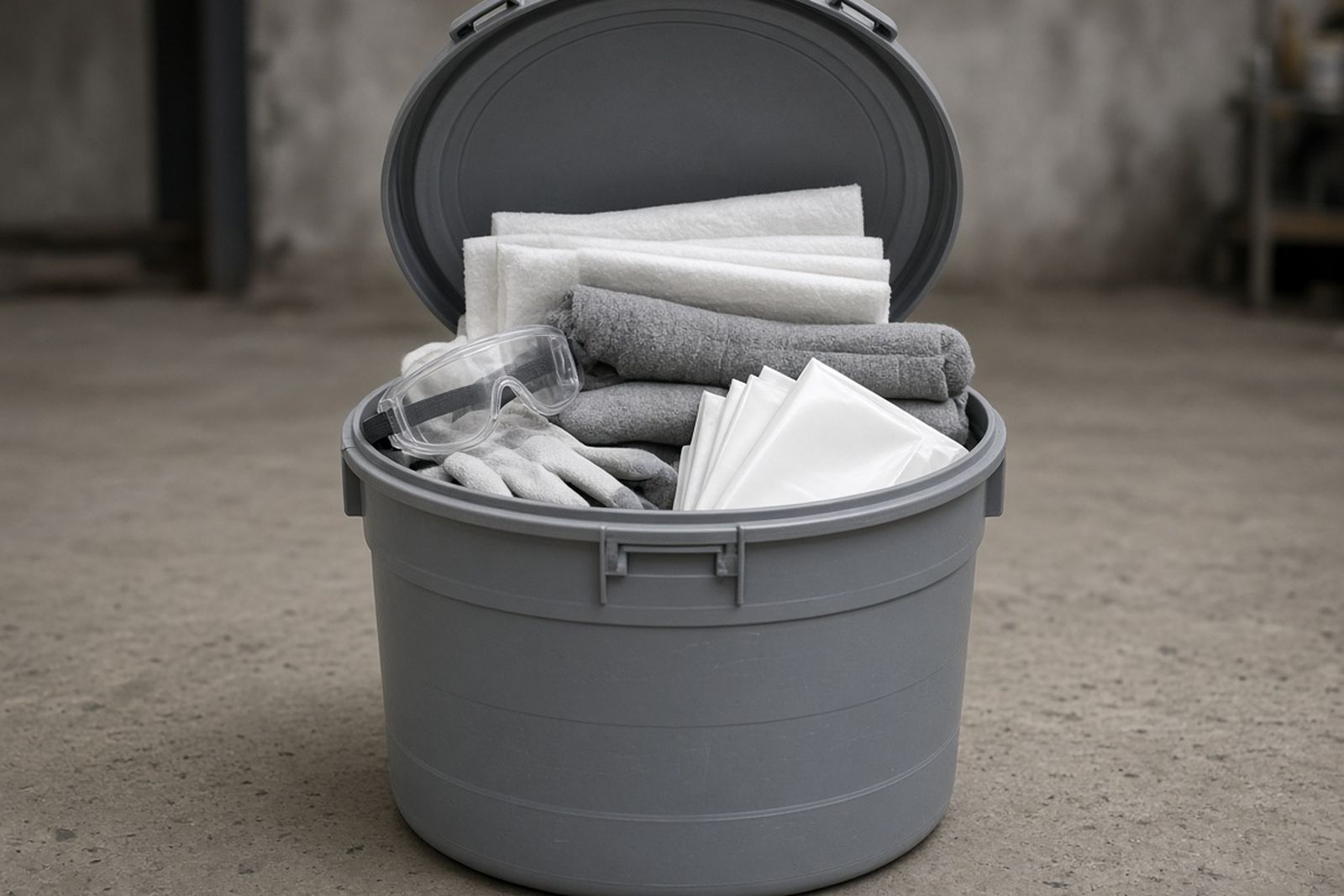
Open spill kit drum holding absorbent pads, goggles, gloves and disposal bags

Facts worth knowing

  • In a September 2012 survey of 204 households near a chemical odor incident, 36.5% said they sought medical care for symptoms they linked to the odor.

    Why it matters: If your site releases a strong odor, expect neighbors to seek medical care; tell them quickly what was released and what to do.

    Source: Behbod et al., 2014

  • After a 2014 spill in West Virginia, people who got information quickly were more likely to follow the recommended safety steps.

    Why it matters: If your site has a spill, tell affected people fast and clearly; delays may mean fewer follow your safety instructions.

    Source: Savoia et al., 2015

  • Sites must report qualifying accidental chemical releases to the Chemical Safety Board within 8 hours; PG&E paid a $45,273 penalty in 2025 for reporting late.

    Why it matters: Know before an accident who at your site will make this report, because the deadline is short.

    Source: EPA/CSB (via Spencer Fane), 2025

Tools that help right now

What would you do?

Poll results

Vote to see how other people answered. You can change your answer at any time.

Safety

How prepared is your site for a chemical or fuel spill right now?

Be the first to vote
Your experience

In your most recent spill, what was the first action taken?

Be the first to vote

Need help in Lake Forest?

Send a short message about the property to the follow-up inbox. A coordinator can reply by email with next steps.

Your request is sent to the follow-up inbox. A coordinator can reply by email.

If anyone is hurt or in danger, call 911 first.