Shops near Rodeo Drive, private clubs, and hillside estates mean spills here happen in valet basements, service alleys, generator pads, and pool equipment rooms more often than in big plants. Lots of guests and vendors come and go. That raises the odds that an unlabeled remodel tote, or fuel poured next to parked cars, starts the trouble. Shops are packed close, so smells reach neighbors and staff fast. That is why closing off the area and calling for help come before polishing the floor. Name the routes for fire trucks through busy streets and gates early. Never send untrained staff into fumes to check the smell.
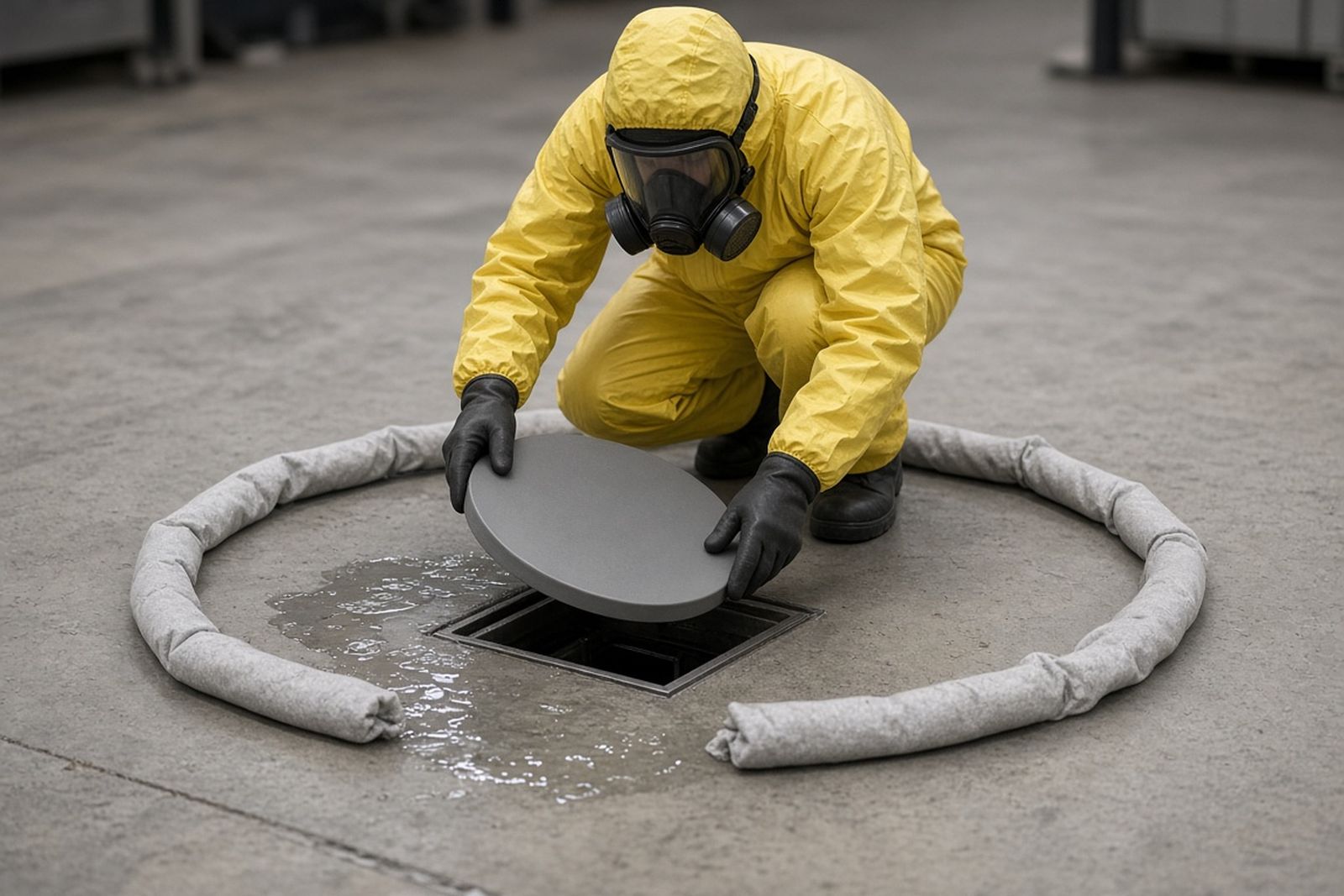
Alley pads and underground sumps sit close to city drains. Hosing product toward planters or curb cuts can turn a private sheen into a storm water event. Then federal and California reporting duties may apply. Safety stays first. Leave or shelter as directed, and keep people out of the danger zone. Touch sources of sparks only when responders say it is safe. Cleaning vendors must never sniff, taste, blend, or "kill" an unknown liquid with bleach. Trained crews use labels, SDS sheets, shipping papers, or field checks before they choose absorbents or any neutralizer.
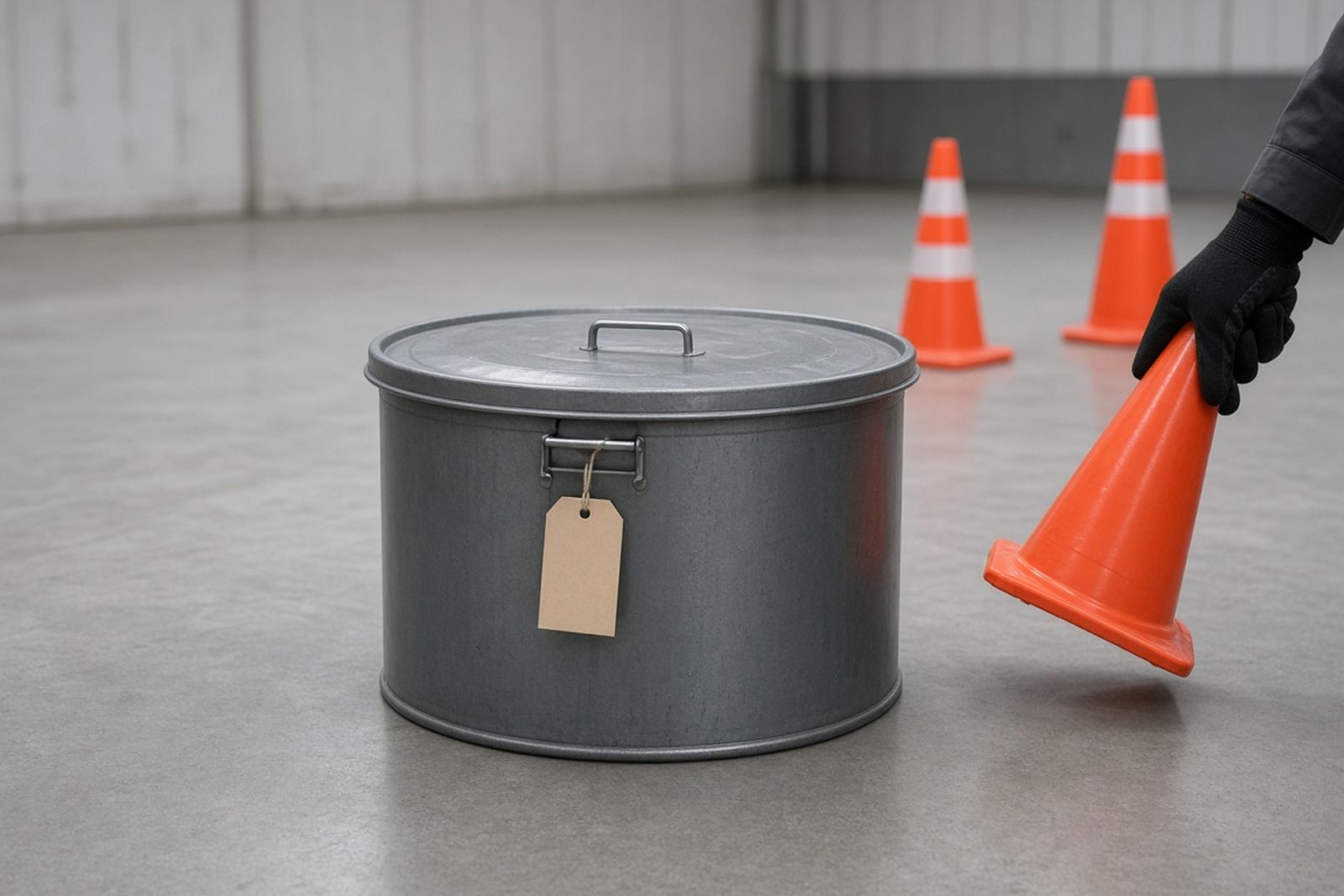
Insurers, estate managers, and retail landlords expect a paper trail. Take photos from a safe distance. Keep labels, but do not open drums. Log who unlocked gates or garage doors, and keep fire or environmental reference numbers. The used pads cannot go out with the shop trash. A hauler takes them after they are tested. To clear a valet level, someone looks it over, and meters or surface wipes back that up when the product calls for it. It belongs in writing before elevators, valet levels, or showrooms full of fabric reopen. The order stays the same: people, naming the product, holding it, legal disposal, then clearance.