Northeast · US

Hazmat Spill Response in Weston, MA

Planning hazmat spill response in Weston, MA

Weston MA aquifer spill guide: isolate people, SDS not groundskeeper chemistry, protect wellheads and septic fields, MassDEP notice, waste and water sampling. This is planning guidance, not a claim of a local office or crew in Weston.

Get an email reply about hazmat spill response

Send a short message to the follow-up inbox. A coordinator can reply by email. This form does not send emergency help; call 911 first if anyone is in danger.

Tell us what you need help with. Share a short description; please leave out medical details, access codes, and other sensitive information.

A request does not confirm a booking. For immediate danger, contact local emergency services.

Or email info@prompartybuses.com

Direct answer

The short answer for Weston, MA

In Weston, land along Routes 20 and 117 sits over sensitive groundwater. Homes rely on private drinking wells and septic leach fields under the state's Title 5 rules. Many lots border conservation land, and buried tanks face winter frost. So spill plans here put groundwater first. Heating oil seeps, pesticide concentrates, and contractor solvents all call for moving people away. Groundskeepers hand over the Safety Data Sheet (SDS) and never mix their own fixes. Soil barriers go uphill of wellheads. Crews work with MassDEP, a National Response Center (NRC) report may be needed, and the waste shipping record may fall under federal hazardous waste law (RCRA). Drinking water gets sampled when product may have spread. This guide makes no office claim and promises no response time.

Editorial guide · Biohazard Remediation NetworkUpdated 2026-07-22Location focus: Weston, MA

Local planning context

Quiet lanes, stone walls, and tanks under tree cover make spills look peaceful and rural, until product reaches a well or leach field. Common sources are aging buried heating oil tanks strained by frost heave, generator day tanks behind barns, strong lawn chemicals, and remodel solvents left on gravel pads. Grounds crews often find a dark patch in the leaves before anyone reads a label. Their role is to stop digging, keep children and pets away, and call emergency services. They should never dig a ditch toward the woods. Neighbors on conservation land may smell an odor across the stone walls quickly, so be honest about the perimeter.

In suburbs with curb drains, the main risk is the street inlet. Here the key path is often dry soil leading down to a private well or septic system. Pouring water on a sheen to thin it out can push the pollution deeper. Safety still comes first. Leave buildings with strong fumes, keep people out, and control sparks only when responders say so. Get the SDS or oil delivery tickets from a kitchen drawer or truck glovebox, without entering the spill zone. MassDEP's waste site and emergency contacts set what Massachusetts expects. Oil heading for a stream, or a large enough release, can also mean a federal call to the National Response Center.

Household managers should log the tank's age, a sketch of where the well is, septic plans if on file, and who holds driveway openers for fire trucks on narrow lanes. After recovery, keep the waste shipping record for used absorbents, notes on any soil dug out, and any drinking water test results before daily home use returns to normal. Lenders and buyers often ask for the same packet. Do not reopen living floors based on smell alone when a well sits downhill of the pad.
Property considerations

Map wellheads and septic leach fields in relation to tank pads before anyone even talks about washing.

Frost heave and shallow bedrock can crack older buried oil tanks. Treat any yard smell you cannot explain as a possible leak.

Neighbors on conservation land can hear and smell across stone walls. Keep public statements factual.

Barn lofts may store pesticides above generator fuel. Treat that stacked storage as unknown until the SDS turns up.

Gravel pads look like they soak things up, but they can pass product into the soil. Put barriers uphill of the wells first.

Reopening the house and clearing the drinking water are two separate decisions when groundwater may be affected.

Response-planning framework

Pull people and pets off the pad; stop DIY trenching

If there are fumes, dizziness, unknown liquids, or a spreading dark patch, leave the area. Keep pets and children away and call emergency services. Do not dig trenches toward the woods or pour water to wash it in. Share driveway openers from a safe distance. The closed area includes barns and cellar doors that share air with the spill.

Oil tickets and pesticide SDS—not soil chemistry by nose

Give responders the heating oil delivery tickets, pesticide labels, and SDS sheets without opening containers in the spill zone. Field checks cover the unknowns. Groundskeepers do not mix lime, bleach, or fertilizer into spills. The wrong additive can make soil and fume hazards worse. Near a private well, OSHA's hazard and cleanup training rules make it clear: no one picks a method until the product is known.

Upslope berms, MassDEP notice, and well-radius thinking

Once the product is known, crews place barriers and matching pads to stop it from reaching wellheads, leach fields, and seasonal streams. With a drinking well nearby, expect the fire department to call in state environmental staff. Federal reporting limits and NRC calls may apply. Quiet acreage does not shrink those duties.

Waste records plus drinking-water and indoor clearance tracks

Tested pads and any soil dug out each need a waste shipping record. Keep them with the well records. Decide on moving back indoors using air targets if fumes reached living space. Consider drinking water tests on their own track when a well sits downhill. Do not assume a clean gravel pad means the tap water is safe.

Documentation checklist

  1. 1A sketch or photos showing the spill in relation to wellheads, leach fields, and seasonal streams
  2. 2Heating oil tickets, pesticide SDS, or remodel chemical lists handed over without opening unknowns
  3. 3A timeline of getting people out, and who opened driveway gates for fire trucks
  4. 4Weston Fire and state case numbers for the tank leak
  5. 5Where crews stopped the oil uphill of the well
  6. 6Truckloads of soil removed near the tank, and each load's waste shipping record
  7. 7Indoor air targets and any drinking water test results, with lab names
  8. 8When the bank, a buyer, or the pollution carrier heard about the leak, kept with the well file

Official resources

Questions for this location

A dark patch appears in leaf litter downhill from an underground oil tank toward a drinking-water well. What first?

Keep people and pets off the patch. Leave nearby buildings if there are fumes, and call emergency services. Do not hose the stain, dig a ditch, or cover it with more leaves. From uphill, note the tank's fill caps, recent delivery dates, and roughly which way the wellhead is. Do not walk through the stained soil. Give responders driveway access and oil tickets. Being close to the aquifer makes an early call important. Even so, no one should start digging while waiting for crews.

Why is “dilute with water” especially dangerous near septic leach fields?

Extra water can push product deeper into the soil and toward leach fields or wells. That raises both the health risk and the rules that apply. Thinning it out is not getting rid of it. Once the product is known, trained teams would rather hold it and recover it with matching pads. Then they decide whether soil removal or sampling is needed. Photograph the patch from a safe distance before rain moves it. MassDEP may need to be involved when groundwater could be affected.

How should a sale or refinance file treat a tank-yard release?

Keep the emergency waste shipping records, any soil disposal records, agency numbers, and drinking water results together with notes on the tank's age. Lenders often ask whether a private well was tested after a fuel leak. Do not rely on someone saying "it was cleaned." If longer cleanup goes on after the emergency, keep that work separate so buyers can follow the timeline. A lawyer can advise on what you must disclose. This page does not replace legal advice.

Can indoor air be cleared while the well is still untested?

Sometimes the indoor air targets are met before questions about the drinking water are answered. The two are linked but separate. Do not assume a living room cleared of fumes proves the aquifer is fine when the spill was uphill of a well. Write down which decision allowed sleeping indoors, and which results support drinking from the tap. If smells return or tests fail, close the area again. Use another water source until responders or environmental experts say otherwise.

What waste mistakes are common on wooded acreage after recovery?

Common mistakes are tossing used absorbents in the household trash, burying oily soil under clean fill, and burning polluted debris. Oily pads and soil from a tank yard can be regulated waste. They need a waste shipping record to an approved facility. Keep package counts and disposal site names. Conservation neighbors and future buyers both care when the disposal story has gaps. Ask for written destinations before loads leave the lane.

Should Weston homeowners test their well after a nearby spill?

If a spill happened near your well, or on a neighbor's land uphill, ask your local board of health about testing. If there is any concern, wait for advice before using the water for drinking or cooking. Keep records of the test results and dates. Testing may need to be repeated if the spill was large or close to the well.

How do conservation-land neighbors affect spill response in Weston?

If a spill might reach wetlands, streams, or protected land, responders will want to know fast. Tell dispatch about nearby conservation areas. Do not dig trenches or use soap to try to stop the spill. Later, the town's conservation staff may want to review any cleanup work that affects those areas.

Contact

Get help by email

Send a short message for an email reply about hazmat spill response planning questions for the Boston area.

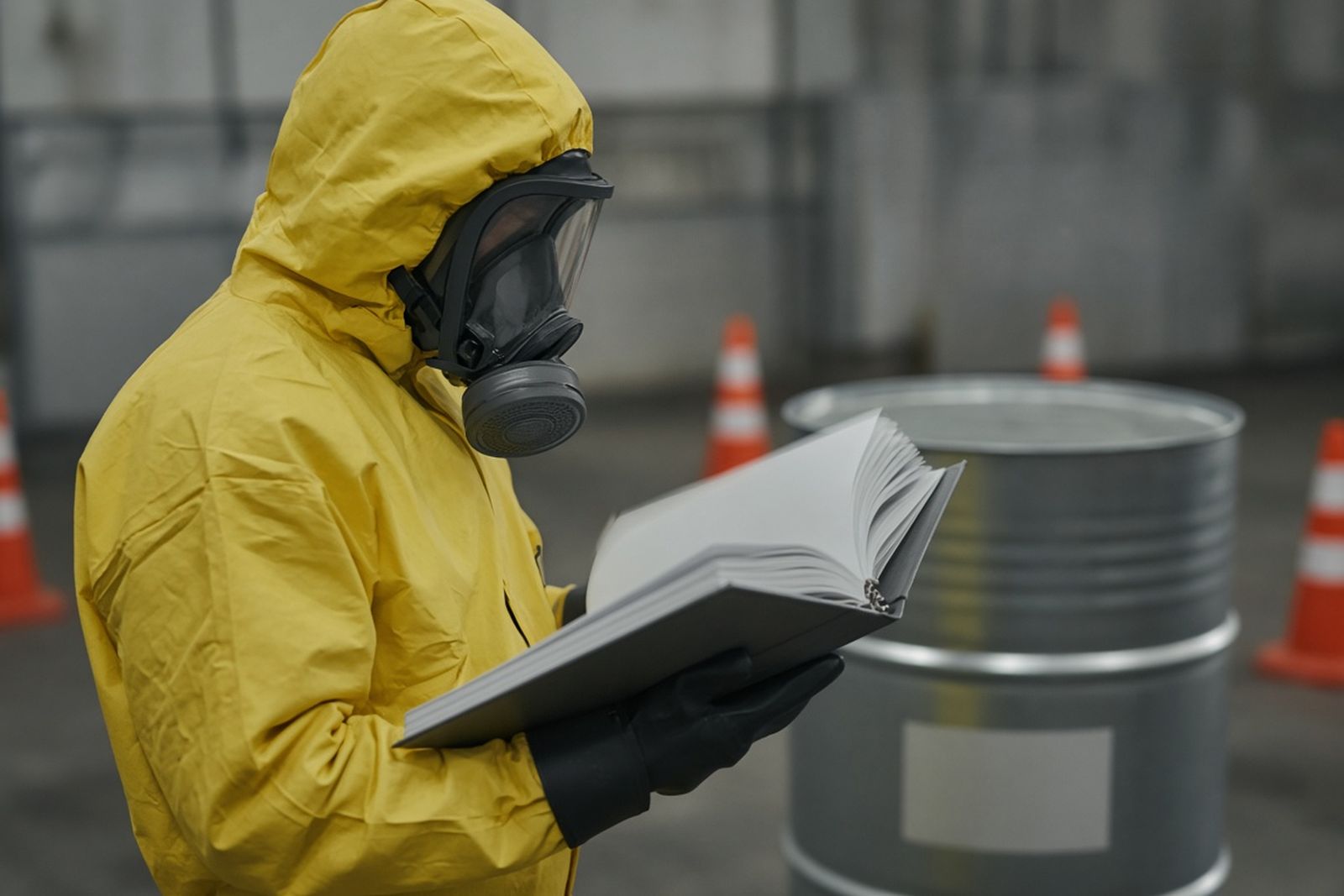
Technician in a yellow suit and respirator reading a safety data sheet binder beside a drum
Illustrative photo, not a job record. Technician in a yellow suit and respirator reading a safety data sheet binder beside a drum.
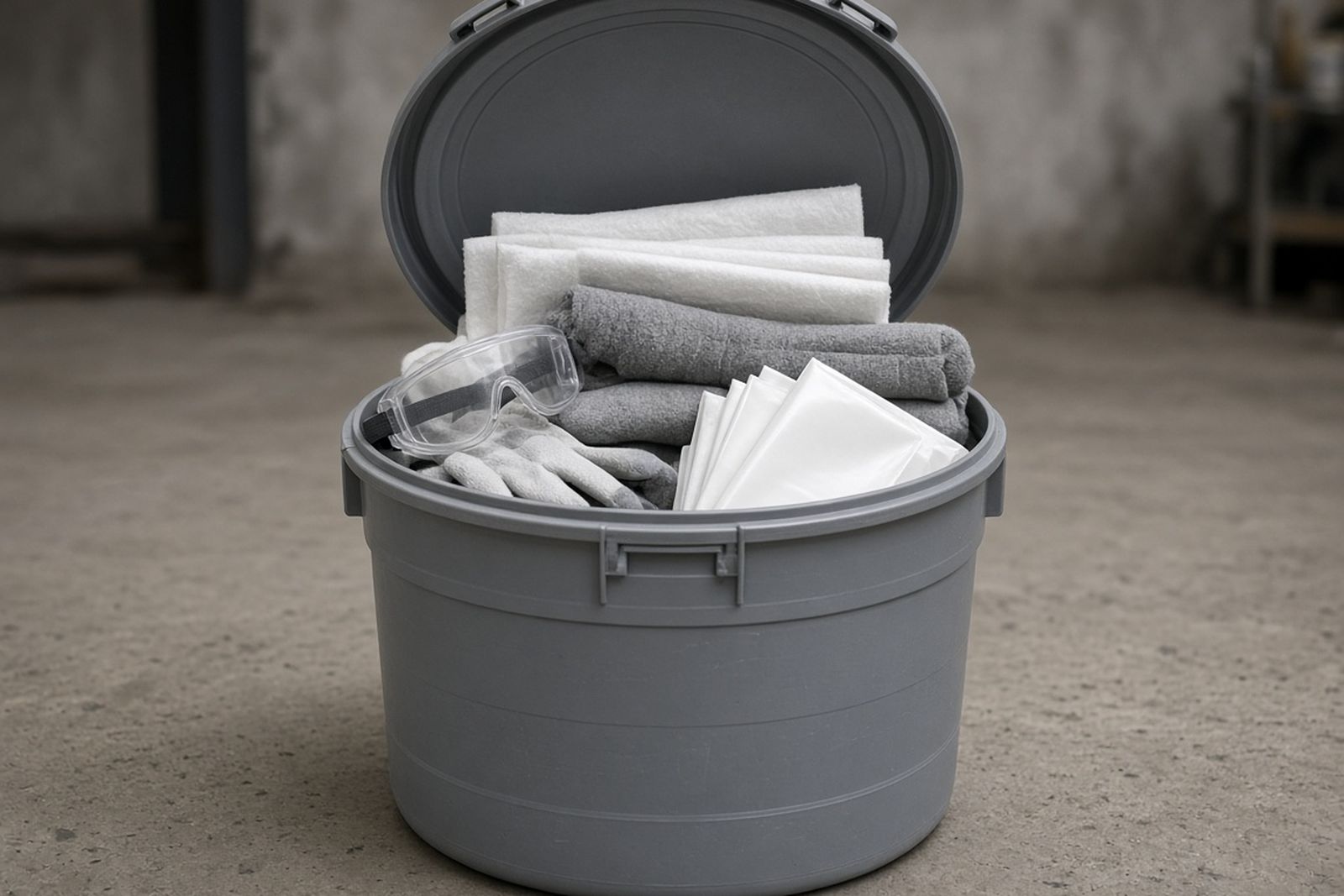
Open spill kit drum holding absorbent pads, goggles, gloves and disposal bags
Illustrative photo, not a job record. Open spill kit drum holding absorbent pads, goggles, gloves and disposal bags.

Hazmat Spill Response figures to keep in mind

National and research figures, not Weston data. Local conditions, rules and providers vary; use these for scale and context only.

8 hours

Facilities must report qualifying accidental chemical releases to the Chemical Safety Board within 8 hours; PG&E paid a $45,273 penalty in 2025 for a late report.

Read with care: Law-firm summary; applies to releases causing death, serious injury or substantial damage.

Source: EPA/CSB (via Spencer Fane) (2025)United States, 40 CFR Part 1604; first enforcement settlement July 2025

46

The Chemical Safety Board received 46 accidental release reports in the three months ending November 2025, the first time its three-month average exceeded 14 events per month.

Read with care: Short window; CSB attributes part of the rise to better compliance.

Source: U.S. Chemical Safety Board (via Safety+Health) (2025)United States, CSB-reportable releases, Sept-Nov 2025

10,000 more filings

PHMSA received about 10,000 more hazmat incident filings in 2022 than in prior years after moving to electronic reporting.

Read with care: Reflects reporting changes as much as real incident growth.

Source: PHMSA statement (via Data Liberation Project) (2023)United States, PHMSA Form 5800.1 filings, 2022

These figures are public research and agency data, not this network's own job records. Keep each number with its population, year and limits; none of them predicts cost, timing or outcome at a specific property.

Plan before you reach out

Use the first 24 hours planner for immediate steps and the provider vetting checklist to confirm any Weston provider's training, insurance and waste path in writing.

What research has found

Findings from published studies of people and properties in situations like this one. They describe what researchers observed in a specific group; they are not predictions for your case.

The corresponding warning-related anxiety difference was not statistically significant.
Who was studied: 622 English respondents whose homes flooded in 2013–2014; one-year survey.Limits: Related cohort to S059; associations, not proof displacement caused symptoms.Effect of evacuation and displacement on flooding and mental health outcomes (2017)
Bench experiments showed flushing could move chemicals into the air.
Who was studied: Ten West Virginia homes tested two weeks after the January 2014 spill; linked surveys and bench experiments.Limits: One contaminant/event; not a general flushing protocol or current water standard.Residential tap water contamination following the Freedom Industries chemical spill (2015)

Hazmat Spill Response community polls

Poll results

Every count is a real visitor vote; nothing is seeded or padded. One vote per poll per device, and you can change your answer.

Safety

How prepared is your site for a chemical or fuel spill right now?

No visitor votes yet
Your experience

In your most recent spill, what was the first action taken?

No visitor votes yet

Planning cleanup in Weston?

Send a short message about the property to the follow-up inbox. A coordinator can reply by email with next steps.

Your request is sent to the follow-up inbox. A coordinator can reply by email.

If anyone is hurt or in danger, call 911 first.