Northeast · US

Hazmat Spill Response in Newton, MA

Planning hazmat spill response in Newton, MA

Newton MA heating-oil and school-closet spill guide: isolate basements, SDS not DIY, berm Charles catch basins, MassDEP notice, waste reopen files. This is planning guidance, not a claim of a local office or crew in Newton.

Get an email reply about hazmat spill response

Send a short message to the follow-up inbox. A coordinator can reply by email. This form does not send emergency help; call 911 first if anyone is in danger.

Tell us what you need help with. Share a short description; please leave out medical details, access codes, and other sensitive information.

A request does not confirm a booking. For immediate danger, contact local emergency services.

Or email info@prompartybuses.com

Direct answer

The short answer for Newton, MA

Newton's village greens, Route 9 retail pads, oil tanks in finished basements, and chemical closets in school annexes see spills of No. 2 heating oil, remodel glue, pesticide concentrate, and unlabeled paint totes. Neighbors often smell trouble before anyone reads a label. Safety and spark control lead. Caretakers pass along the Safety Data Sheet (SDS) instead of mixing anything. Barriers at catch basins in the Charles watershed go with notice to Newton Fire and MassDEP. Federal hazardous waste law (RCRA) may govern used absorbents. Written targets for reopening the basement close the loop. This is a guide only, with no office, local crew list, or promised response time.

Editorial guide · Biohazard Remediation NetworkUpdated 2026-07-22Location focus: Newton, MA

Local planning context

Homes here lean toward finished basements with aging oil tanks. Add generator cans in carriage houses, deliveries in village shop alleys, and school annex closets that still hold science kit solvents. A Saturday open house often turns up a sheen under a laundry sink long before the homeowner has an SDS. The right first moves are to get people out, leave switches and flames alone unless responders say otherwise, and call 911. Do not send a handyman to mop it toward the floor drain before buyers arrive. Foot traffic in the village centers and school pickup times make a slow perimeter costly.

Catch basins along busy retail strips and neighborhood storm lines can move product into the Charles River watershed within minutes of a hose rinse. Massachusetts reporting stakes rise once oil or solvent leaves the pad. Get delivery tickets and the SDS from a parked car or an upstairs desk. Never crack open a faded jug in the fumes. Some home oil spills must be reported to the state no matter what the insurer is doing. Landscapers are not a hazmat team.

Condo associations and estate caretakers should keep a one-page script. It says which doors close, which basement stair stays taped, and who meets engines at the alley or circle drive. Snap a picture from the stairs of the oil film and the laundry drain it is creeping toward. After recovery, file the waste test results, the waste shipping record for used pads, and air or wipe targets before bedrooms above the basement reopen. An open house on the calendar does not speed up cleanup.

Property considerations

Finished basements with No. 2 oil tanks can trap heavy fumes under the floors people live on.

Science closets in school annexes may hold alcohols next to oxidizers until the SDS sorts them out.

Alley trench drains off Route 9 shorten the trip from a film on a retail pad to storm lines in the watershed.

Caretaker contracts should forbid pouring bleach on unknown basement films to neutralize them.

Generators in carriage houses next to wooden stairs create a fire risk during fuel transfers.

Getting ready for an open house should never mean mopping or hosing toward laundry floor drains.

Response-planning framework

Clear the basement stair before chasing laundry-sink fumes

Dizziness, unknown liquids, or a spreading oil film means you clear the upstairs rooms if told to. Send the buyers and agent outside and phone emergency services. Do not light pilots or run shop fans toward the tank. Keep the family off the whole basement level, laundry nook included, and shut the bulkhead.

Oil tickets and school SDS packets beat caretaker chemistry

Pass fuel tickets, science closet inventories, and Safety Data Sheets from upstairs or a vehicle. Do not open unlabeled totes to confirm the smell. Field checks fill the gaps. The absorbent is chosen only once the product is known.

Watershed catch-basin berms with MassDEP and fire notice

If oil or solvent reaches a street catch basin, Newton Fire may bring in state environmental staff. Some releases must be reported no matter how busy the weekend is. Many Newton streets drain toward the Charles, so a quick call matters more than a quiet cleanup. An open house or a crowded school pickup does not shrink those duties.

Basement reopen science after regulated waste leaves

Pads from a basement tank leak or a school closet are tested and trucked off with a waste shipping record the owner keeps. Bedrooms over the tank stay empty until meter or wipe numbers pass. A laundry slab that looks dry after an overnight oil smell does not give buyers permission to tour.

Documentation checklist

  1. 1Photos from a safe landing of the oil film compared to laundry drains or bulkhead doors
  2. 2The oil company ticket, a lawn product label, or the school's SDS pages that went to Newton Fire
  3. 3When it was found, who left which floors, and notes on meeting fire trucks at the alley or drive
  4. 4Case numbers from the Newton Fire visit and any state call
  5. 5How the crew stopped the oil short of the catch basin
  6. 6Copies of the waste shipping record for the oily pads
  7. 7Air or wipe results that allowed the basement and upstairs to reopen
  8. 8Dates of notices to the pollution-liability carrier or listing broker

Official resources

Questions for this location

Buyers smell heating oil under a finished basement during a Saturday showing. What first?

Stop the tour. Move people upstairs and outside as needed. If a buyer feels woozy, the air smells heavy, or nobody can name the liquid, dial emergency services. Do not ask a realtor's handyman to mop toward the laundry drain. From a safe stair landing, note the tank's fill dates and which way any sheen is moving. Give the oil tickets and SDS to responders. The listing agent should cancel the showing, not grab a mop.
A school annex closet has unlabeled bottles beside a floor drain. May custodians sort them?

No. Mixed school chemicals can react when opened or combined. Close off the closet, keep students out, and call emergency services when there are fumes or unknowns. Bring any inventory sheets or SDS binders from the office. Do not crack bottles in the room. Trained responders sort the products before choosing absorbents. Custodial schedules do not make any chemistry safe.

Why do Charles watershed catch basins change a private oil film?

Hose rinses can move product into city storm lines that feed regional waterways. That widens MassDEP duties, and certain oil spills may need a National Response Center (NRC) report. Once the oil or solvent is known, barriers and matching absorbents keep it out of catch basins that drain to the Charles. Photos from a safe distance record the flow paths. Garden beds are not a place to dump it. The timing of an open house never justifies rinsing it off the slab.

What should a condo board file after professional recovery of a garage generator spill?

Keep the waste test results, the drum and bag list, hauler details, and the signed waste shipping record for the village property. Add the oil company's ticket and the test results that let the family back downstairs. If soil under the slab needs work later, keep that on a separate contract.

When may upstairs bedrooms reopen after overnight basement solvent odor?

After air readings in the bedrooms fall within the written limits, and the forced-air return near the basement stairs has been checked. Dry concrete downstairs is not enough. Log who approved it and the readings. If symptoms continue, the bedrooms stay closed.

What should Newton families do when an oil-tank replacement uncovers stained soil?

Stop work in that area and keep children and pets away. Ask your contractor to pause and have a licensed professional look at the stains. The state environmental agency may need to be told about certain releases, so ask your contractor or a licensed site professional about that. Keep photos and all paperwork for your records and any future sale.

How should Newton condo associations prepare garages for electric-vehicle charging leaks?

Post signs by the chargers. They should tell residents to leave and call 911 if they see smoke, sparks, or a leaking battery. Keep charging areas clear of stored fuel or chemicals. Share the building manager's after-hours number. Do not ask residents to move or cool a damaged vehicle. Afterward, keep records of what happened for your insurer.

Contact

Get help by email

Send a short message for an email reply about hazmat spill response planning questions for the Boston area.

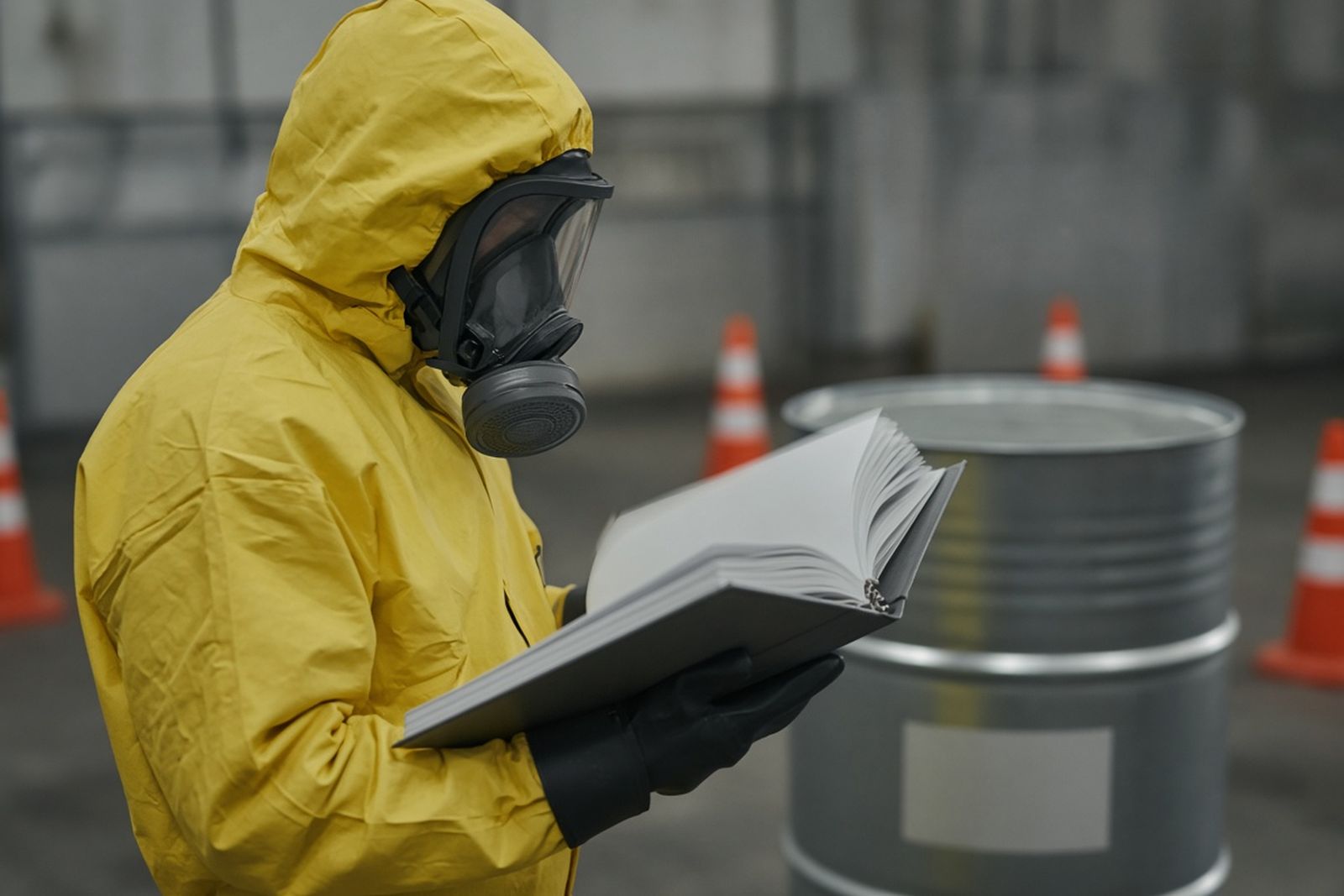
Technician in a yellow suit and respirator reading a safety data sheet binder beside a drum
Illustrative photo, not a job record. Technician in a yellow suit and respirator reading a safety data sheet binder beside a drum.
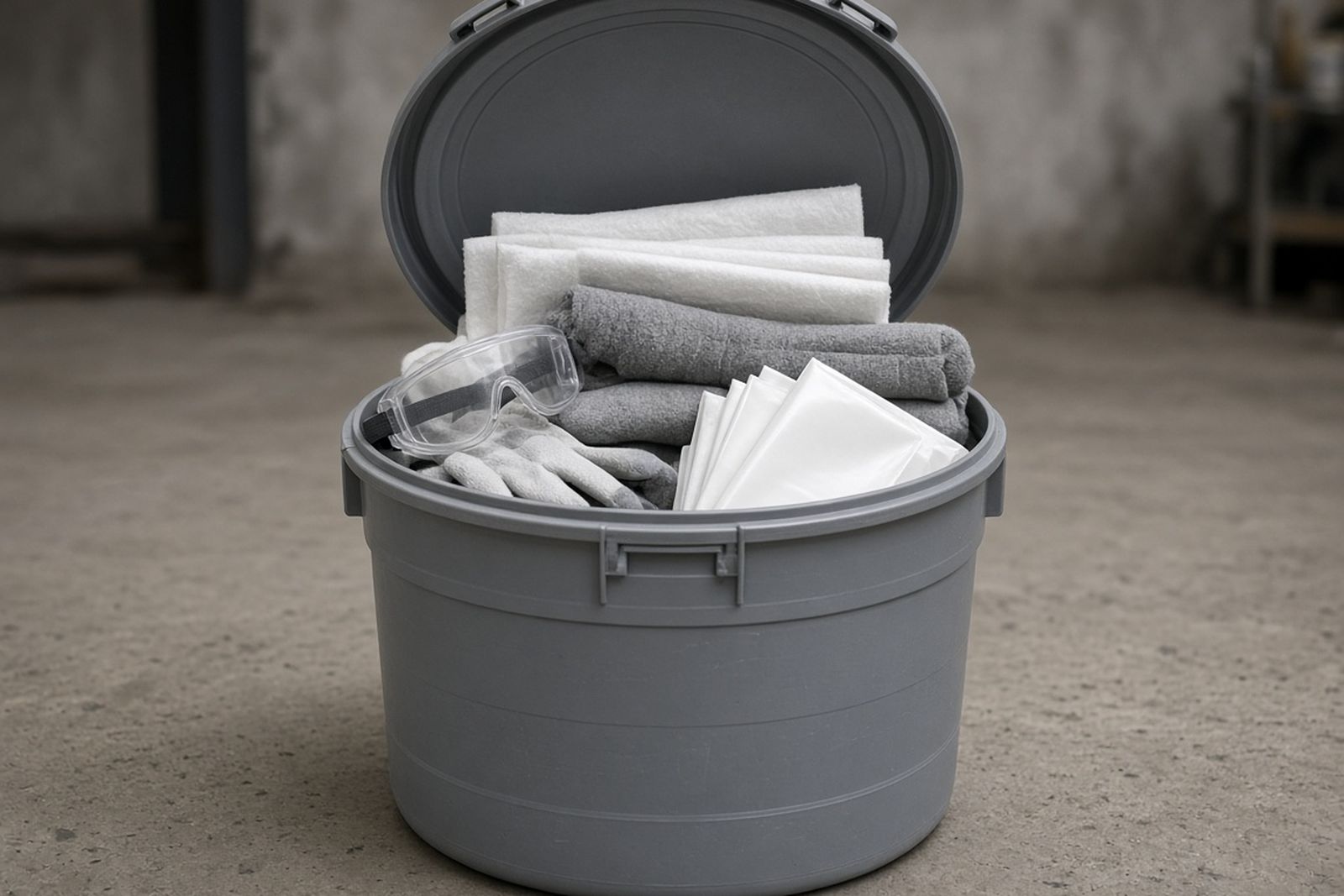
Open spill kit drum holding absorbent pads, goggles, gloves and disposal bags
Illustrative photo, not a job record. Open spill kit drum holding absorbent pads, goggles, gloves and disposal bags.

Hazmat Spill Response figures to keep in mind

National and research figures, not Newton data. Local conditions, rules and providers vary; use these for scale and context only.

$512 million

Tractor-trailer hazmat accidents accounted for 64 percent of all hazmat transportation damages, almost $512 million, over ten years of PHMSA data.

Read with care: Damage figures are carrier-reported estimates on Form 5800.1.

Source: PHMSA data (via CBS News) (2023)United States, PHMSA incident reports, ten-year window ending 2023

382

382 of 12,855 RMP facilities reported at least one accident during 2016-2020, about 3 percent of regulated sites.

Read with care: Only accidents meeting RMP reporting criteria are counted.

Source: EPA (2024)United States RMP facilities, 2016-2020

8 / 24 hours

Emergency responders at the first-responder operations level require at least 8 hours of training, and hazardous materials technicians at least 24 hours.

Read with care: Competency, not just hours, is the regulatory test.

Source: OSHA (2024)United States, 1910.120(q)(6)

These figures are public research and agency data, not this network's own job records. Keep each number with its population, year and limits; none of them predicts cost, timing or outcome at a specific property.

Plan before you reach out

Use the first 24 hours planner for immediate steps and the provider vetting checklist to confirm any Newton provider's training, insurance and waste path in writing.

What research has found

Findings from published studies of people and properties in situations like this one. They describe what researchers observed in a specific group; they are not predictions for your case.

Trying to preserve homes left some residents physically and mentally exhausted.
Who was studied: 20 New Brunswick residents in focus groups and ten community-leader interviews.Limits: Local experiences; no prevalence estimate or fixed recovery timetable.Perceptions of Mental Health and Wellbeing Following Residential Displacement and Damage… (2019)
Nearly all households declined to resume normal water use after flushing because of safety concerns.
Who was studied: Ten West Virginia homes tested two weeks after the January 2014 spill; linked surveys and bench experiments.Limits: One contaminant/event; not a general flushing protocol or current water standard.Residential tap water contamination following the Freedom Industries chemical spill (2015)

Hazmat Spill Response community polls

Poll results

Every count is a real visitor vote; nothing is seeded or padded. One vote per poll per device, and you can change your answer.

Safety

How prepared is your site for a chemical or fuel spill right now?

No visitor votes yet
Your experience

In your most recent spill, what was the first action taken?

No visitor votes yet

Planning cleanup in Newton?

Send a short message about the property to the follow-up inbox. A coordinator can reply by email with next steps.

Your request is sent to the follow-up inbox. A coordinator can reply by email.

If anyone is hurt or in danger, call 911 first.