How should Coral Gables property managers escalate a chemical spill ticket?
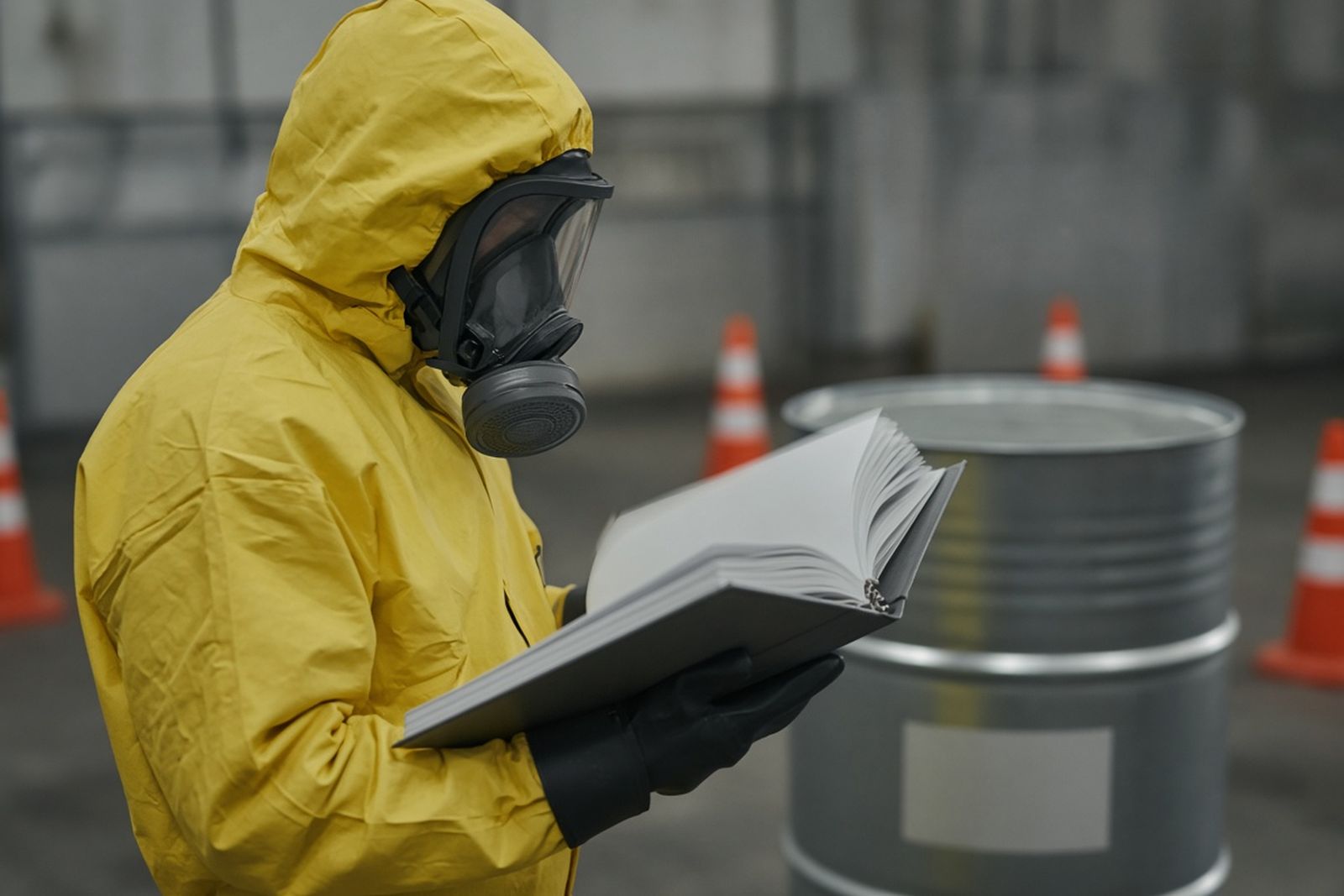
Treat chemical smells, fuel sheens, unknown powders, or leaking containers as emergencies, not routine work orders. Close off the area. Keep the air system from spreading fumes when your rules and safety allow. If anything is fuming, unidentified, or on the move, get emergency services on the phone. Tell the on-call manager, and share any SDS details you know. Do not send cleaning vendors to neutralize or mop. Meet the fire department with keys and product papers. Once the fire crew has the scene under control, bring in a spill team trained under OSHA's hazardous waste and emergency response rule. They hold the spill, recover it, pack the waste, and check the work. Write down every step for the board and insurers. Vendor contracts should spell out this path so night staff are not making up chemistry on the spot. Coral Gables has many managed buildings, so clear rules help keep people safe.
What stormwater mistakes are most common in Miami-metro parking structures?
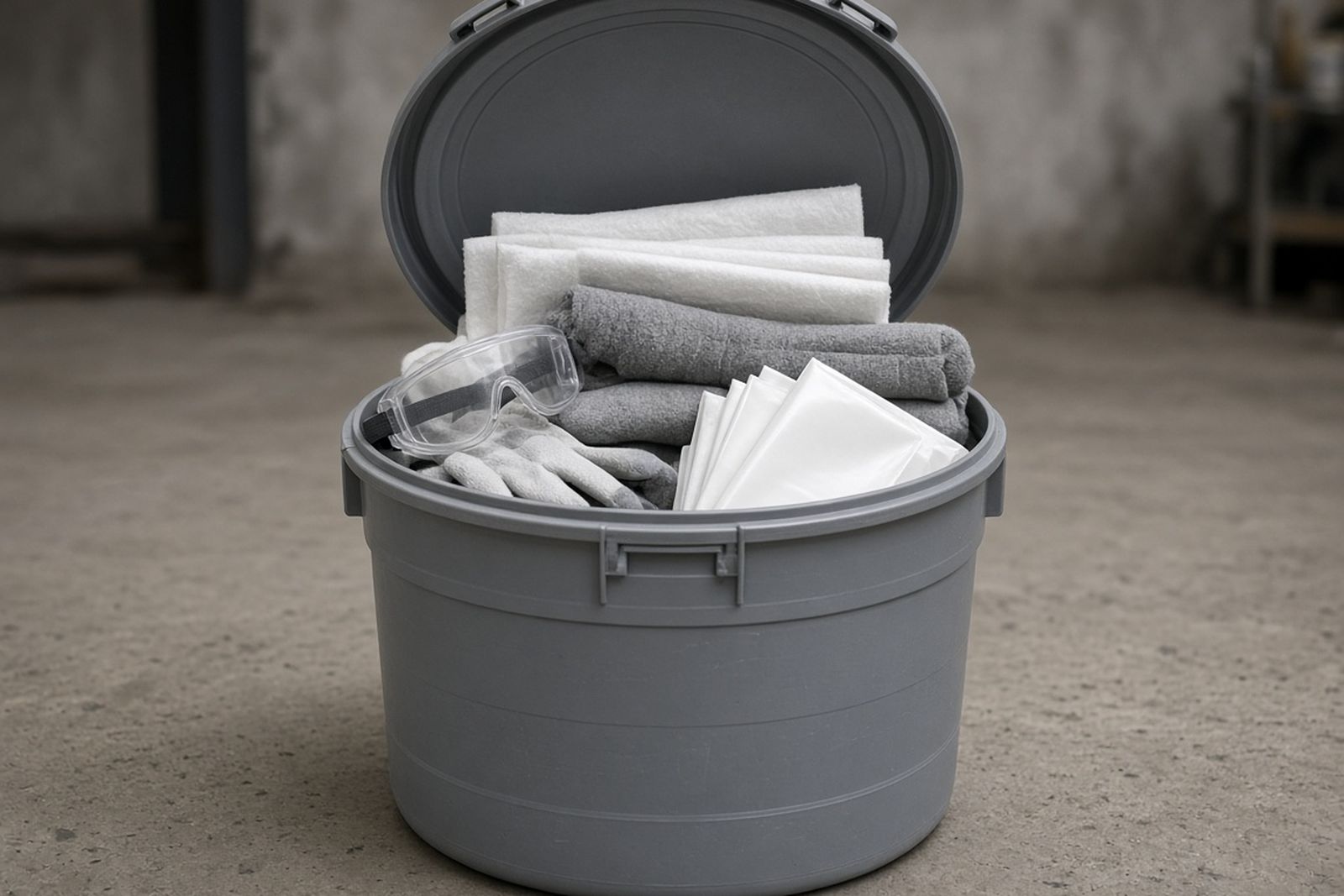
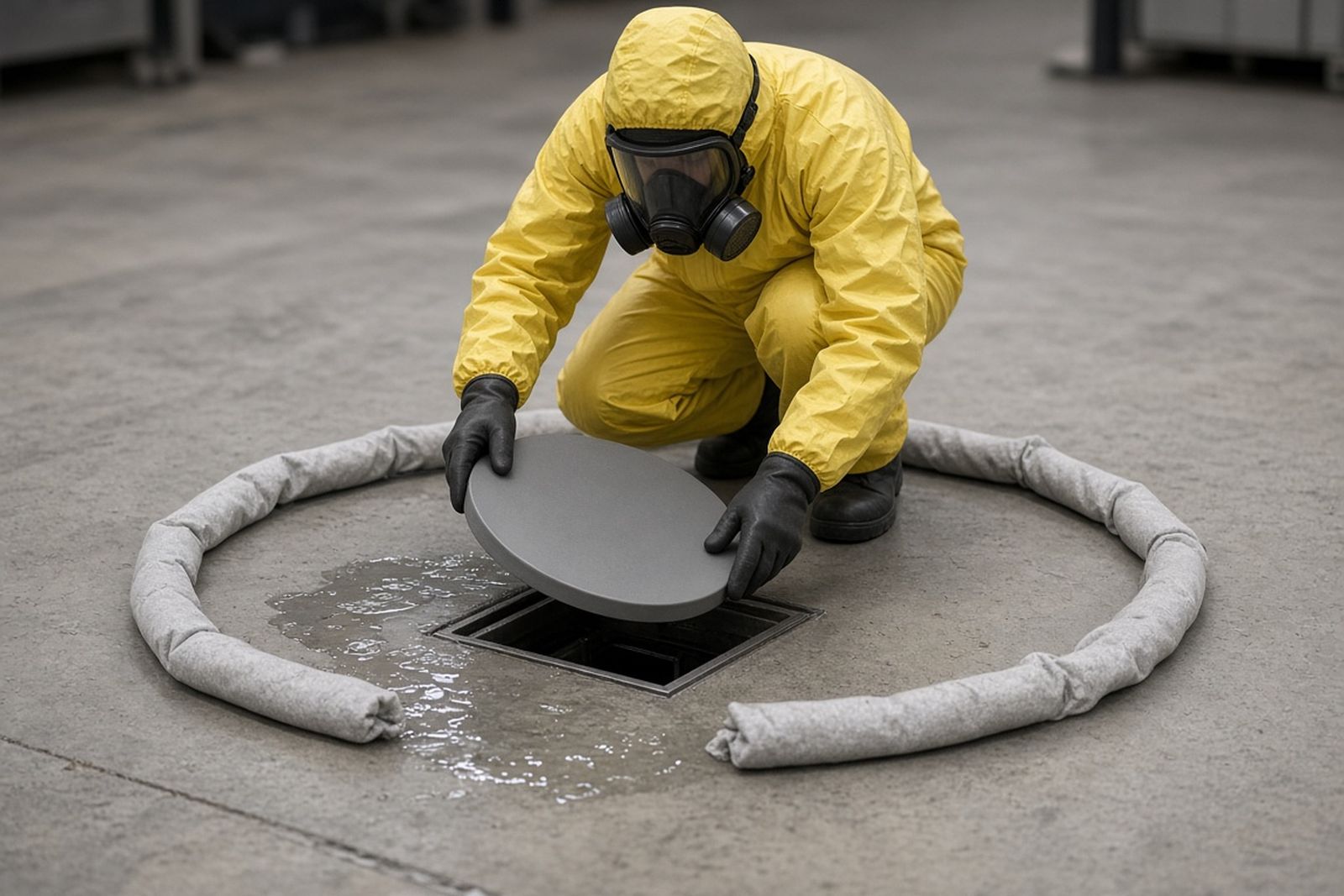
Common mistakes include washing spills into trench drains, and using fans that push fumes through garage levels. Another is bagging fuel-soaked absorbents for regular dumpsters. Heavy rain can also flush loose absorbent into drains if it was staged poorly. The right order is to close off the area and let trained crews name the product with the SDS. Then crews block the drains, recover the product, test the waste, and check the air before reopening. Photograph where the drains are for the file. Florida environmental officials may step in when product leaves the garage. Managers can keep drain covers on hand as a planning step. They should still forbid untrained staff from handling chemicals. Storm drain mistakes turn a contained spill into one that must be reported, with more liability.
Why must unknown substances be handled differently from labeled maintenance chemicals?
When a product has a label and an SDS, crews can pick the right absorbent and protective gear faster. Unknown products need a wider closed area, air testing, and field checks before any hard cleanup. Staff must not open unknown containers to see what they are, or mix them with cleaners. Wrong guesses can cause heat, toxic gas, or fire. In Coral Gables maintenance rooms, half-used containers from one vendor after another often lose their labels. Treat those as unknowns. Share any purchase records you have, then stay out of the danger zone. Naming the product is a job for pros, and it decides the method and waste codes. Pressure to reopen the pool or gym never justifies home chemistry. Note that the product was unknown when found, so responders are not handed a wrong name.
What waste records should boards keep after a building spill response?
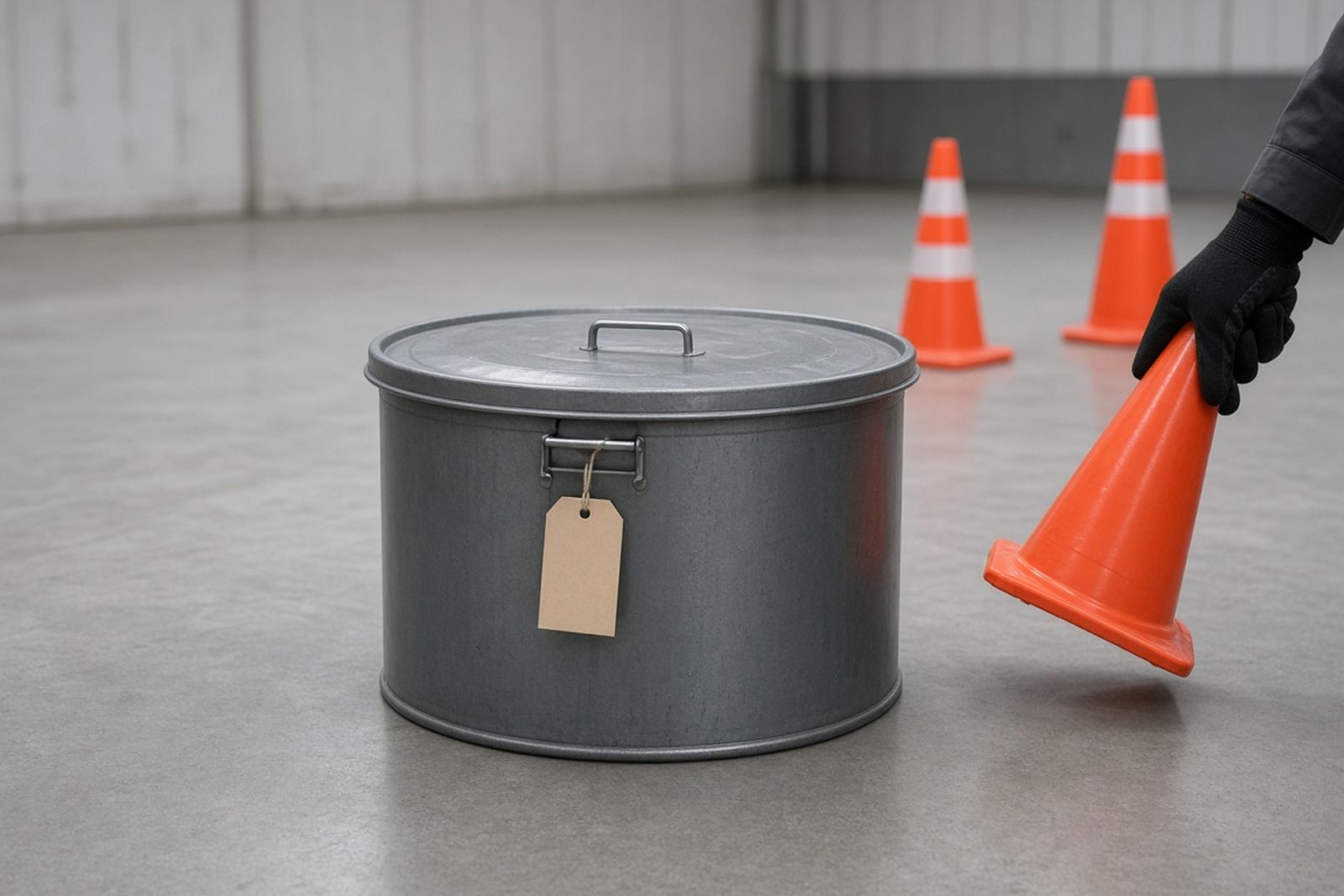
Keep the waste test results, a list of containers, and the hauler's license details. Add the signed waste shipping record, disposal site names, photos of the packed waste, and the SDS copies used for testing. Add agency report numbers and air test clearance results. Store it all with insurance notices and resident messages. Regulated used absorbents are not normal trash. The waste shipping record proves they went to the right place. Federal transport rules apply when loads travel on public roads. Coral Gables boards should refuse to close out a job without the paperwork, even if the floors look clean. If soil or drain line cleaning creates more waste, track each type on its own. A missing file can cause rule and claim problems months later during a sale, a refinance, or an audit.
When can a garage or amenity reopen after fuel or solvent vapors?
Garages and amenity rooms reopen once an air-quality expert or responder has written down the air targets and the readings meet them. No visible liquid is not enough in a closed garage where fumes pool. The air handlers that serve the hallways should be checked in case they carried fumes upstairs. Write down who approved reopening, and keep the meter results. If smells or symptoms come back, close the space again and check again. Air freshener, ozone machines, or airing out without a plan do not clear a space. They may even spread fumes that burn. Coral Gables boards should post reopen notices that point to the test results, not to convenience. The waste shipping record should already be on file before normal traffic resumes. Reopening is a safety decision, not a sales timeline.
Do historic homes in Coral Gables need special care after a spill?
Older materials such as coral rock, original tile, and plaster can soak up fuels and solvents differently from modern finishes. Hard scrubbing may damage them. Let trained responders handle the emergency first. Afterward, ask the cleanup team how they will treat these porous historic surfaces, and whether any materials need to be removed. If your home is under local historic review, check with the city before replacing features. Photograph surfaces before and after the work for your records.
How do summer downpours affect a spill in a Coral Gables parking area?
Afternoon storms can push a small sheen from a garage ramp or surface lot into drains within minutes. If a spill is happening and rain is coming, call for help early and tell responders about the forecast. Do not try to wash the area before the storm hits. Covering a drain or placing sandbags is a choice for trained crews once they know the product. Note the weather and timing for your records.