Northeast · US

Hazmat Spill Response in Cambridge, MA

Planning hazmat spill response in Cambridge, MA

Cambridge MA Kendall lab spill planning: clear bays first, SDS not mop chemistry, berm Charles inlets, MassDEP/fire notice, waste and wet-lab reopen. This is planning guidance, not a claim of a local office or crew in Cambridge.

Get an email reply about hazmat spill response

Send a short message to the follow-up inbox. A coordinator can reply by email. This form does not send emergency help; call 911 first if anyone is in danger.

Tell us what you need help with. Share a short description; please leave out medical details, access codes, and other sensitive information.

A request does not confirm a booking. For immediate danger, contact local emergency services.

Or email info@prompartybuses.com

Direct answer

The short answer for Cambridge, MA

Kendall Square has cold rooms, biotech freight elevators, garages by the Red Line, and paving near the Broad Canal. They see spills of solvents that burn, leftovers from super-cold liquids, generator diesel, and unlabeled totes dropped at midnight. Researchers often notice the smell before the safety office (EHS) arrives. Researchers and Red Line riders come first. Next comes paperwork from the lab manager, such as the Safety Data Sheet (SDS). Then crews protect the drains that lead to the Charles. Wet labs reopen only on written air results.

Editorial guide · Biohazard Remediation NetworkUpdated 2026-07-22Location focus: Cambridge, MA

Local planning context

Research campuses and biotech towers have a different spill mix than suburban oil basements. Expect solvents for lab instruments (HPLC), alcohol stocks, battery fluid in bike cage decks, frost hazards from liquid nitrogen by freight doors, and contractor glues left after midnight build-outs. Security radios often report a chemical smell on the dock before anyone has a purchase order in hand. Pull everyone off the dock, halt the janitors, and phone emergency services. Lab heads do not get a pass to name unknowns by sniffing them. On weekdays, crowds on the Red Line and in bike lanes make slow taping costly.

Trenches under the paved Kendall aprons can carry a film toward the Charles River faster than a suburban dry well. A hose rinse before dawn, ahead of incubator rounds, is a classic way a spill grows. Leave fume hoods and building air to Cambridge Fire. Pull the EHS binders of Safety Data Sheets from a safe office, without cracking drums on the apron.

EHS and the landlord's building team should read from the same short, factual script. It says which suites empty, which freight elevators stop, and who meets engines away from the station stairs. Log garage height limits and loading dock key cards. After recovery, keep waste test results, the waste shipping record, and air targets before wet labs or halls next to animal facilities reopen. Experiments and deadlines wait.
Property considerations

Freight elevators can pull dock fumes up to lab floors if their fans keep running.

Cabinets for super-cold liquids and for burnable liquids on one dock are an unsafe pairing until crews sort them.

Garage exits next to the Red Line must stay open for riders while the area is closed off.

Night cleaning crews in lab buildings should never be asked to handle solvent spills.

An unmarked tote from a lab build-out stays where it is. It does not go in the freight elevator.

Apron trenches facing the Charles deserve a barrier sketch before any pressure washing.

Response-planning framework

Freeze the freight car; keep researchers off the apron

Stinging eyes, unknown liquids, or a spreading film means you clear the dock, send lab traffic another way, and call emergency services. Do not send graduate students to check the tote. Tape covers the loading bay, doors the breeze is heading for, and elevator shafts tied to the dock.

EHS binders and PO chemical lists beat dock detective work

From a safe office, provide the Safety Data Sheets, vendor packing lists, and purchase orders. Field checks cover the gaps. Neutralizing waits until the product is known. Overnight cleaners never invent recipes for lab instrument waste mixed with fuels. Even in a building full of chemists, OSHA's rules on hazard labels and emergency cleanup explain why guessing the product fails.

Charles-apron berms with MassDEP coordination

When the product has a name, crews block the trenches and catch basins that drain toward Broad Canal and the Charles. If anything reaches them, Cambridge Fire may bring in state environmental staff, and certain releases carry reporting duties. A packed Red Line platform or a grant deadline never makes those duties smaller. Nor does it give lab staff permission to handle it themselves.

Wet-lab reopen holds after regulated waste ships

Used absorbents from the lab dock are tested under federal hazardous waste law (RCRA) where it may apply. The waste shipping records stay with the EHS files. Demand written air targets before wet benches or shared halls reopen. A dry lab floor is not permission for researchers to return.

Documentation checklist

  1. 1A timeline with suite numbers, freight elevator holds, and steps taken to close areas
  2. 2Pictures from the stairwell of the tote, the nearest apron grate, and any courier van
  3. 3Purchase orders and SDS from the lab manager
  4. 4Cambridge Fire and state case numbers
  5. 5Who opened the freight elevator for firefighters
  6. 6Lab waste shipping records from EHS
  7. 7Air test results tied to reopening wet labs or hallways
  8. 8Notices to lab tenants and researchers that stick to facts and name no guessed chemical

Official resources

Questions for this location

An unlabeled tote weeps on a Kendall freight dock before morning incubator rounds. What first?

Close the dock, keep postdocs and couriers away, and call 911. From a safe stair landing, note the vendor tags. Give EHS keys and the SDS to responders. Helping fire trucks stage on a tight Kendall street never turns into permission for a home-made cleanup or a promised private arrival time.

How should lab spill planning differ from a Newton oil-basement page?

Freight shafts, wet lab air systems, biotech safety chains, and foot traffic along the Red Line replace scripts about oil in finished basements. Inlets to the Charles under unbroken paving change how fast a spill travels. Do not copy home laundry drain examples wholesale. Grant milestones still never pause MassDEP or National Response Center (NRC) duties when product leaves the pad.

May facilities rinse a solvent film into the apron trench to reopen for rush hour?

No. Rinsing can carry solvent toward Broad Canal and the Charles. After EHS confirms what it is, trained teams place barriers ahead of drains bound for Broad Canal. They soak up the solvent and log the amounts. A few photos of the Kendall dock, taken from a safe distance, are worth more than a clean apron with nothing on file. Blocking a Charles-bound grate is part of the response, not a chore. It is not tidying up before suites open.

Which records should a Kendall Square lab building keep after a dock spill?

EHS should keep the waste test results, drum lists, hauler details, and the signed waste shipping record for every load that left the Kendall dock. Lab solvent on absorbent pads may make them hazardous waste. They never ride the lab tower's trash chute. Keep each lab suite's air results with the insurance claim. Note which lab heads were told their suite had reopened.

When can a shared corridor reopen after HPLC solvent vapors overnight?

After air readings meet the written limits for that solvent. Ask whether the elevator shaft or lab exhaust drew solvent upstairs. Record who approved it and the readings. If researchers still smell solvent or report symptoms, the floor stays closed.

What should Cambridge residents near labs do if they hear an alarm or smell chemicals?

Go indoors, close the windows, and follow any instructions from officials or building staff. Call emergency services if you feel unwell or the smell is strong. Do not go toward the lab building to see what happened. Local officials will share news about any order to shelter in place or leave. Sign up for city emergency alerts to get updates directly.

How should Cambridge triple-decker landlords handle old paint cans and solvents in basements?

Go through basement storage once a year. Keep only the products you need, in labeled containers, away from the furnace and water heater. For old or unknown cans, use city or regional household hazardous waste collection. Do not pour anything down drains. If a can is leaking or smells strong, call for help instead of moving it.

Contact

Get help by email

Send a short message for an email reply about hazmat spill response planning questions for the Boston area.

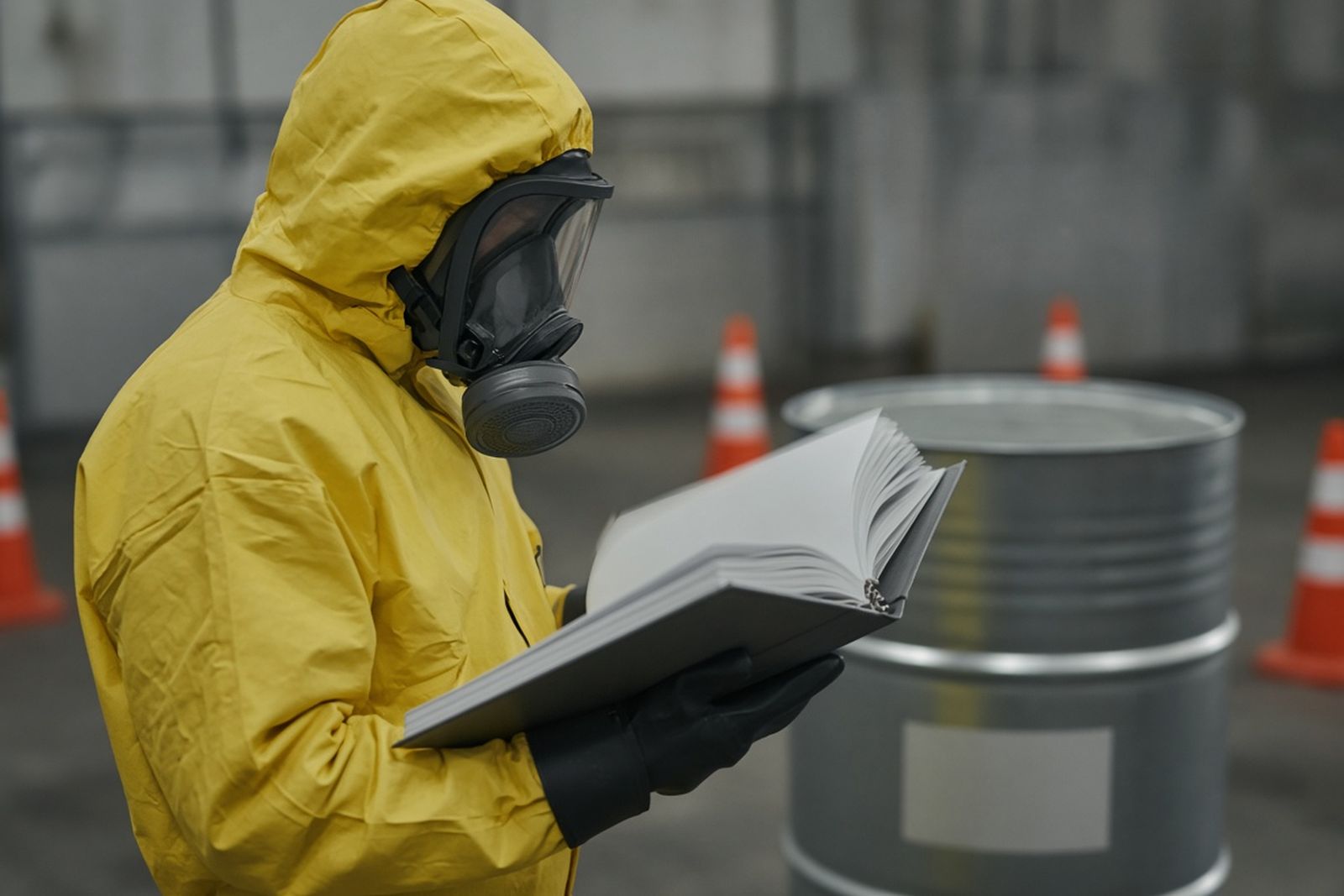
Technician in a yellow suit and respirator reading a safety data sheet binder beside a drum
Illustrative photo, not a job record. Technician in a yellow suit and respirator reading a safety data sheet binder beside a drum.
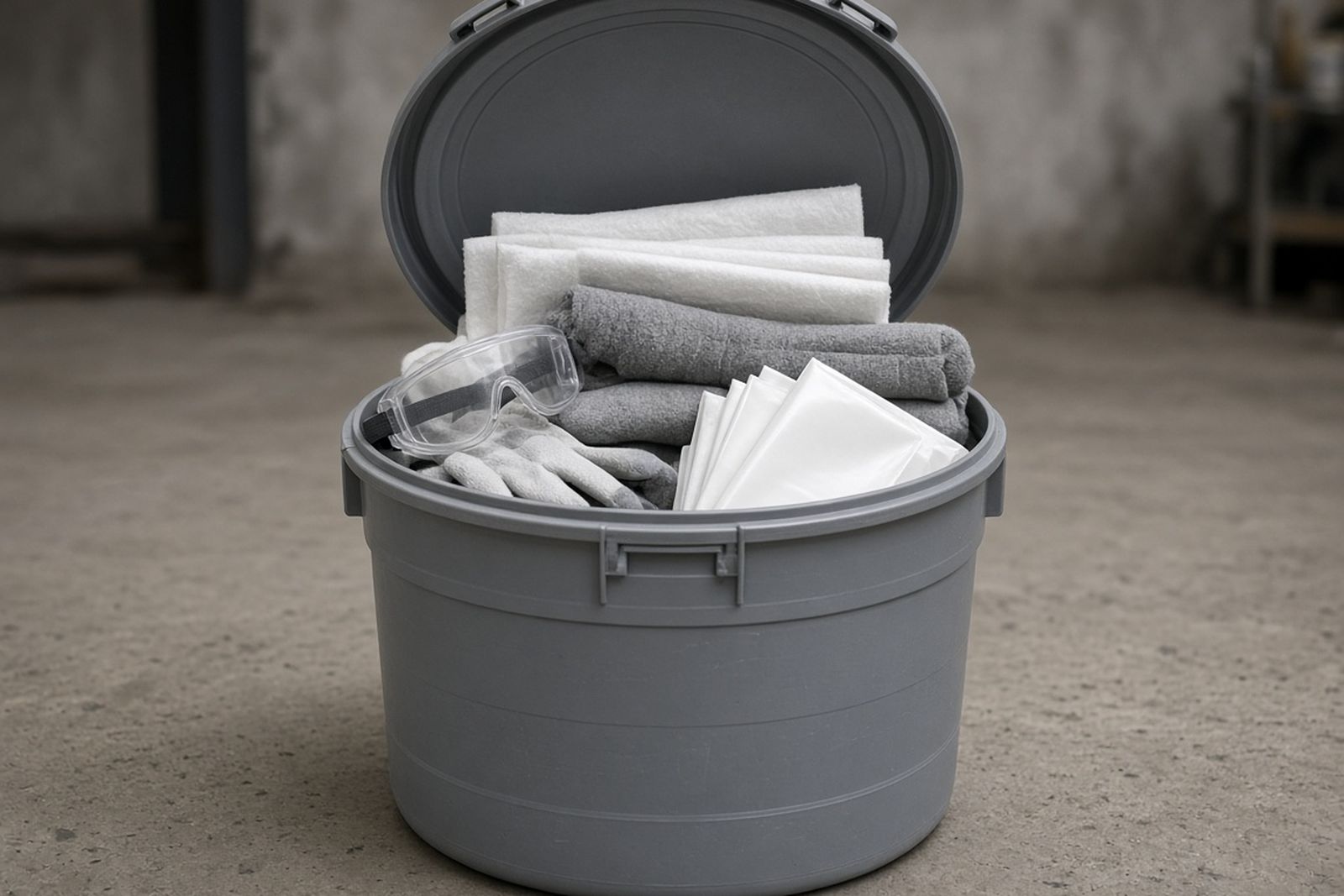
Open spill kit drum holding absorbent pads, goggles, gloves and disposal bags
Illustrative photo, not a job record. Open spill kit drum holding absorbent pads, goggles, gloves and disposal bags.

Hazmat Spill Response figures to keep in mind

National and research figures, not Cambridge data. Local conditions, rules and providers vary; use these for scale and context only.

89%

89% in affected counties heard of the spill on the day it occurred.

Read with care: Self-reported behaviour; event-specific communications.

Source: Savoia et al. (2015)690 West Virginia adults surveyed online in February 2014, including affected and unaffected areas.

21,000 per year

Reported hazardous materials transportation incidents climbed from about 15,000 to just over 21,000 per year between 2011 and 2020.

Read with care: Increase partly reflects better reporting; most incidents are small package leaks.

Source: PHMSA Incident Statistics Portal (via ICC Compliance Center) (2021)United States, all modes, 2011-2020

52

Over ten years, 52 people died and 160 were injured in hazmat incidents involving tractor-trailers in transit, with human error behind 18 percent of incidents.

Read with care: Counts depend on carrier self-reporting.

Source: PHMSA data (via CBS News) (2023)United States, PHMSA in-transit truck incidents, ten years

These figures are public research and agency data, not this network's own job records. Keep each number with its population, year and limits; none of them predicts cost, timing or outcome at a specific property.

Plan before you reach out

Use the first 24 hours planner for immediate steps and the provider vetting checklist to confirm any Cambridge provider's training, insurance and waste path in writing.

What research has found

Findings from published studies of people and properties in situations like this one. They describe what researchers observed in a specific group; they are not predictions for your case.

Timely information was associated with compliance.
Who was studied: 690 West Virginia adults surveyed online in February 2014, including affected and unaffected areas.Limits: Self-reported behaviour; event-specific communications.Public response to the 2014 chemical spill in West Virginia: knowledge, opinions and beh… (2015)
Nearer-zone residents reported greater odor severity.
Who was studied: 204 household representatives surveyed in two distance zones, September 2012.Limits: Reported symptoms and odor; not measured individual exposure doses.Community health assessment following mercaptan spill: Eight Mile, Alabama (2014)

Hazmat Spill Response community polls

Poll results

Every count is a real visitor vote; nothing is seeded or padded. One vote per poll per device, and you can change your answer.

Safety

How prepared is your site for a chemical or fuel spill right now?

No visitor votes yet
Your experience

In your most recent spill, what was the first action taken?

No visitor votes yet

Planning cleanup in Cambridge?

Send a short message about the property to the follow-up inbox. A coordinator can reply by email with next steps.

Your request is sent to the follow-up inbox. A coordinator can reply by email.

If anyone is hurt or in danger, call 911 first.