Northeast · US

Hazmat Spill Response in Boston, MA

Planning hazmat spill response in Boston, MA

Boston MBTA-edge spill planning: clear people first, SDS not mop chemistry, berm Charles/harbor laterals, MassDEP notice, waste and air reopen files. This is planning guidance, not a claim of a local office or crew in Boston.

Get an email reply about hazmat spill response

Send a short message to the follow-up inbox. A coordinator can reply by email. This form does not send emergency help; call 911 first if anyone is in danger.

Tell us what you need help with. Share a short description; please leave out medical details, access codes, and other sensitive information.

A request does not confirm a booking. For immediate danger, contact local emergency services.

Or email info@prompartybuses.com

Direct answer

The short answer for Boston, MA

Boston's Seaport wharf aprons, Green and Red Line station edges, Beacon Hill brick cellars, and storm lines running to the Esplanade all see spills. The mix includes generator diesel, solvents near labs, battery fluid, and contractor totes, and state rules in Massachusetts matter. Move riders and workers away first. Pull the Safety Data Sheet (SDS) instead of reaching for a mop at rush hour. Block drains that lead to the Charles River and the Inner Harbor. Work with Boston Fire and MassDEP, the state environmental agency. Track each load with a shipping paper, since RCRA, the federal hazardous waste law, may cover it. Hold off on weekday reopening until air test results are in writing.

Editorial guide · Biohazard Remediation NetworkUpdated 2026-07-22Location focus: Boston, MA

Local planning context

Wharf freight, hospital loading courts, university mechanical rooms, and garages by T stations produce a New England city mix. It is not the same as Midtown's avenue vaults. You may find No. 2 heating oil and diesel day tanks, remodel glues used in cold weather, lithium residue in parking stacks, and unlabeled totes left by cargo doors like those at Black Falcon. Facility radios often report a chemical smell near the T before anyone has an SDS in hand. Empty the bay. Keep riders and staff on the safe side of the tape, and call emergency services. Do not send porters into fumes to name the product for a group chat.

Storm lines under cobbles and concrete that run to the Esplanade and Inner Harbor raise the reporting stakes in Massachusetts when product leaves a pad. A hose rinse before the morning commute can turn a private film into a MassDEP matter. For some oil or hazardous substance spills, it can become a National Response Center (NRC) matter too. Shelter or leave as Boston Fire directs. Shut off fans only when told to and when it is safe. Never try to bring in fresh air with leaf blowers next to products that may burn. Get the contractor's SDS from a site trailer without cracking drums on the apron.

Campus safety offices, hospital facilities, and commercial landlords should share one script of facts. It says which doors are closed, which drains are off-limits, and who meets fire engines away from the station stairs. Log curb limits near the platforms so recovery trucks do not block exits. Once cleanup ends, lab sheets, signed shipping papers, and air numbers go on file before a lecture hall, clinic, or garage opens for the week. A nine o'clock lecture or a ferry departure does not change the order of steps.
Property considerations

Station stair exits must stay clear for riders even while a nearby garage is closed off.

Brick cellars on Beacon Hill and in the Back Bay can hold heavy fumes at granite stair landings.

Wharf trench drains that lead toward the Inner Harbor deserve a barrier sketch before any pressure washing.

Hospital and campus purchase orders should keep emergency spill work away from ordinary mop vendors.

Cold-weather glues and fuels kept in one mechanical room are an unsafe mix until crews sort them out.

Catch basins under the unbroken pavement heading to the Esplanade give a spill less time than a suburban dry well.

Response-planning framework

Keep T riders and dock crews out of undetermined atmospheres

Stinging eyes, unknown liquids, or a spreading film means you clear the apron or cellar. Steer walkers away from the station stairs if told to, and call emergency services. Do not aim shop fans at elevator banks or air intakes near tunnels. The closed zone covers the spill and any mechanical room that shares its air.

Site-trailer SDS beats “open it before the ferry”

Give responders labels and Safety Data Sheets from a site trailer or the hospital facilities office, not from the wharf itself. Where paperwork is missing, trained crews check the product in the field. A ferry schedule or a rush hour crowd is no reason for mop crews to try their own cleaners on wharf concrete. The wrong mix can give off fumes right beside commuters.

Esplanade and harbor lateral berms with MassDEP

Drains by the harbor and the Esplanade get shielded first once crews know the product. Boston Fire works with MassDEP when storm water or soil is involved. Federal reporting limits and NRC calls may apply. Transit crowds do not shrink those duties.

Massachusetts waste files before clinic or classroom reopen

Used pads from the dock or garage are tested under federal hazardous waste rules that may apply. The waste shipping records go in the building file. Hospitals and campuses should demand written air targets before occupied floors reopen. An apron that looks dry after solvent fumes is not enough for patients or students to return.

Documentation checklist

  1. 1Safe photos of the sheen compared to trench inlets that lead to the Esplanade or harbor
  2. 2Hospital or university safety office product sheets brought from an office
  3. 3A timeline showing holds on station exits and who called Boston Fire
  4. 4Boston Fire and state environmental case numbers
  5. 5Where drains were blocked and how much was recovered
  6. 6The waste shipping record for every load leaving the wharf or garage
  7. 7Air test results that allowed a clinic, classroom, or garage to reopen
  8. 8Dates of pollution-liability or institutional risk management notices

Official resources

Questions for this location

Solvent odor is reported in a garage beside a Green Line station entrance. What first?

Clear the garage level and keep riders on the public side of any fire tape. Phone emergency services if a rider coughs, vapor hangs in the air, or the product is a mystery. Do not rinse toward a trench to reopen before the next wave of trains. From the stairwell door, note any delivery company name you can see. Give engineering contacts and the SDS to Boston Fire. Point firefighters to the garage entrance nearest the T stop, then stay out of the way.

How is MassDEP’s role different from copying a New York DEC checklist?

Massachusetts has its own programs, contacts, and waterway names, even where federal hazardous waste and NRC rules overlap. Use MassDEP for environmental notice in Massachusetts. Do not paste New York DEC language onto storm lines that run to the Esplanade. Boston Fire still runs the emergency. Guides should not copy five-borough scripts wholesale. Saying reporting "may apply" stays honest when product leaves the pad.

Why prioritize Inner Harbor wharf trenches during a Seaport release?

A film on the wharf can reach storm lines that lead to the harbor within minutes under unbroken paving. Rinsing creates a risk of water reporting under MassDEP, and possibly the NRC. Crews dam the station garage drains once they know the product, and your photos show where it was heading. Planters and scuppers are not for dumping. Ferry schedules do not justify a hose-down.

What should a hospital facilities file keep after recovery?

For spills at wharves and station garages, keep the waste test results, container lists, hauler details, and the signed waste shipping record. Diesel-soaked pads from a Seaport apron are often regulated as hazardous waste. Keep SDS copies, photos of the packed waste, agency numbers, and the air targets used to reopen clinical floors. Keep any longer cleanup separate from the emergency waste papers, for risk management and insurers.

When may a weekday classroom or clinic reopen after basement vapors?

Only after the basement air meets its written numbers and the stairwell and ducts above are checked too. Dry concrete is not enough for rooms where people receive care or learn. Log who approved it and the readings. If people still have symptoms, the space stays closed. School calendars never replace air testing or closed agency conditions.

How should Boston triple-decker owners handle a heating-oil smell in a shared basement?

Tell tenants on all floors. Keep everyone out of the basement, and stay away from switches and the furnace. A heavy odor, or a tenant with a headache, means calling emergency services. For a smaller concern, call your oil company. Do not let tenants mop or use cleaners on the floor. Afterward, ask whoever inspects the tank whether it needs repair, and share updates with all tenants.

How do Boston nor’easters affect spills at the waterfront?

Storm surge and heavy rain can flood low wharves and basements. The water can lift fuel tanks or tip drums. After a storm, check for sheens or smells before going back into low spaces. If you see signs of a spill, stay out and call emergency services. Do not pump oily floodwater into the streets or the harbor. Record the conditions for insurance and share them with responders.

Contact

Get help by email

Send a short message for an email reply about hazmat spill response planning questions for the Boston area.

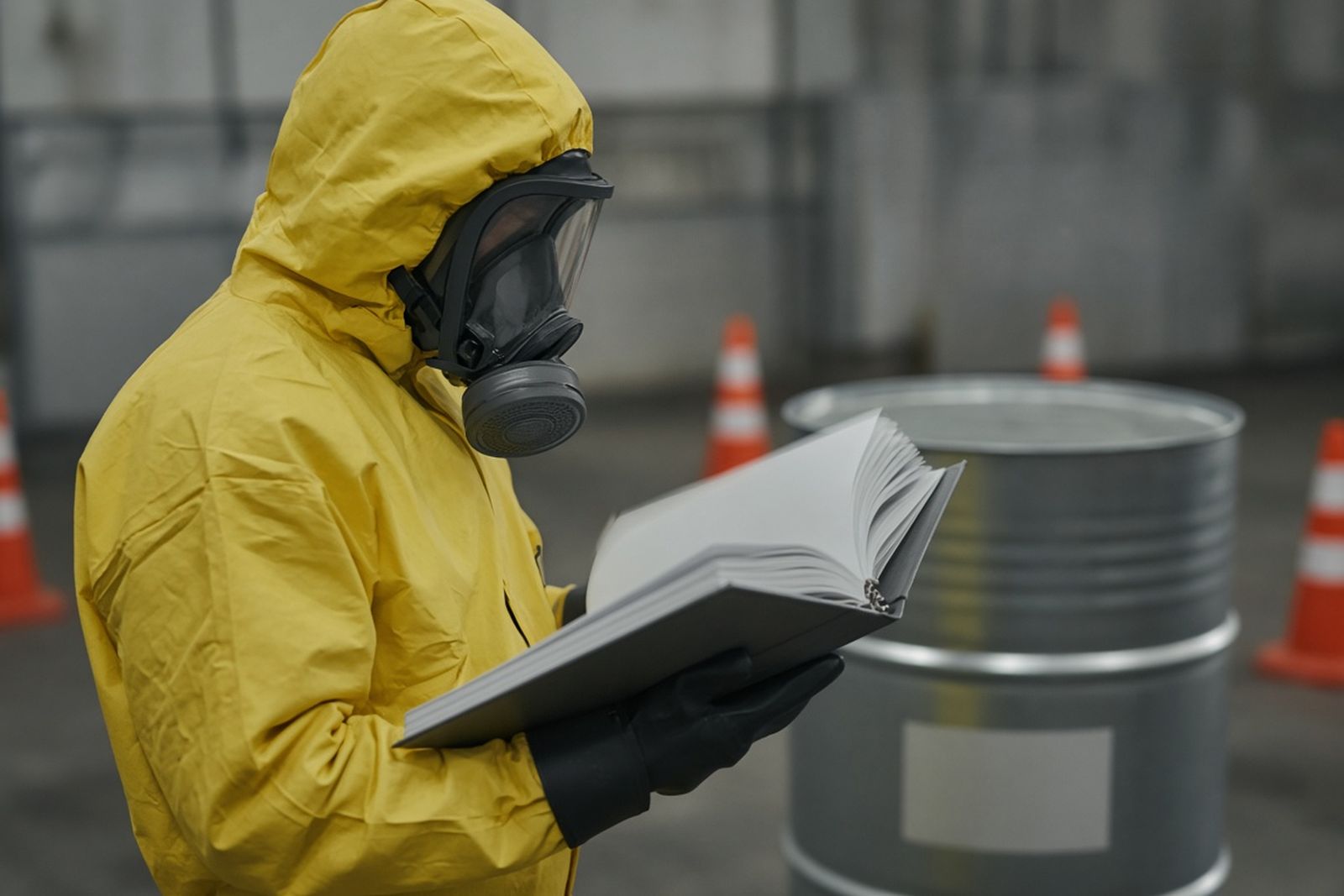
Technician in a yellow suit and respirator reading a safety data sheet binder beside a drum
Illustrative photo, not a job record. Technician in a yellow suit and respirator reading a safety data sheet binder beside a drum.
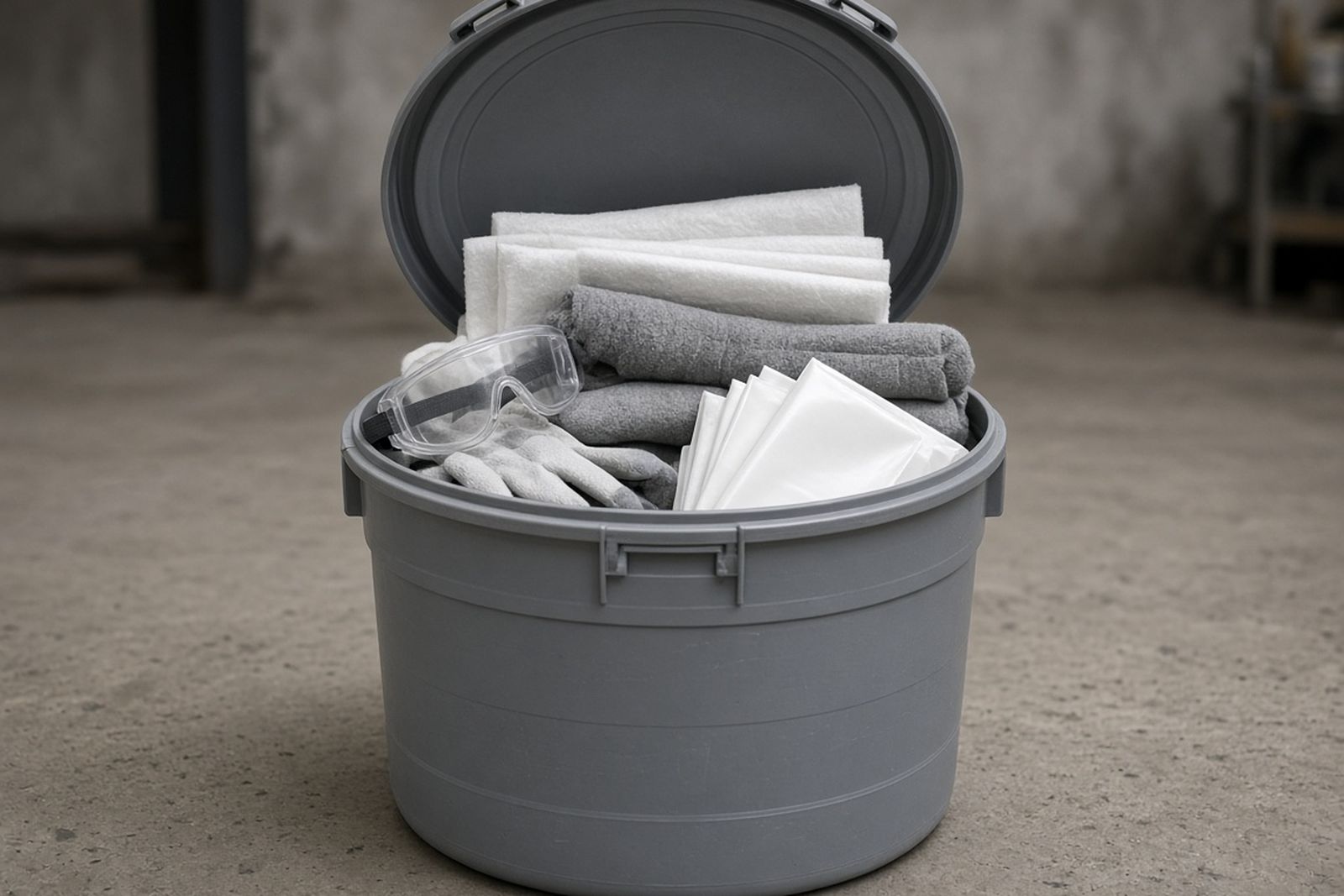
Open spill kit drum holding absorbent pads, goggles, gloves and disposal bags
Illustrative photo, not a job record. Open spill kit drum holding absorbent pads, goggles, gloves and disposal bags.

Hazmat Spill Response figures to keep in mind

National and research figures, not Boston data. Local conditions, rules and providers vary; use these for scale and context only.

89%

89% in affected counties heard of the spill on the day it occurred.

Read with care: Self-reported behaviour; event-specific communications.

Source: Savoia et al. (2015)690 West Virginia adults surveyed online in February 2014, including affected and unaffected areas.

52

Over ten years, 52 people died and 160 were injured in hazmat incidents involving tractor-trailers in transit, with human error behind 18 percent of incidents.

Read with care: Counts depend on carrier self-reporting.

Source: PHMSA data (via CBS News) (2023)United States, PHMSA in-transit truck incidents, ten years

21,000 per year

Reported hazardous materials transportation incidents climbed from about 15,000 to just over 21,000 per year between 2011 and 2020.

Read with care: Increase partly reflects better reporting; most incidents are small package leaks.

Source: PHMSA Incident Statistics Portal (via ICC Compliance Center) (2021)United States, all modes, 2011-2020

These figures are public research and agency data, not this network's own job records. Keep each number with its population, year and limits; none of them predicts cost, timing or outcome at a specific property.

Plan before you reach out

Use the first 24 hours planner for immediate steps and the provider vetting checklist to confirm any Boston provider's training, insurance and waste path in writing.

What research has found

Findings from published studies of people and properties in situations like this one. They describe what researchers observed in a specific group; they are not predictions for your case.

Survey and medical reports described adverse effects associated with flushing.
Who was studied: Ten West Virginia homes tested two weeks after the January 2014 spill; linked surveys and bench experiments.Limits: One contaminant/event; not a general flushing protocol or current water standard.Residential tap water contamination following the Freedom Industries chemical spill (2015)
Delayed insurance assessments were described as obstructing timely remediation.
Who was studied: 521 insured, inundated-household respondents from a 2,530-person survey six months after flooding.Limits: Observational and self-selected; negative-comment denominator is comments, not all insured people.Insurance Issues as Secondary Stressors Following Flooding in Rural Australia (2022)

Hazmat Spill Response community polls

Poll results

Every count is a real visitor vote; nothing is seeded or padded. One vote per poll per device, and you can change your answer.

Safety

How prepared is your site for a chemical or fuel spill right now?

No visitor votes yet
Your experience

In your most recent spill, what was the first action taken?

No visitor votes yet

Planning cleanup in Boston?

Send a short message about the property to the follow-up inbox. A coordinator can reply by email with next steps.

Your request is sent to the follow-up inbox. A coordinator can reply by email.

If anyone is hurt or in danger, call 911 first.