Hazmat Spill Response: Choosing a Company
Evidence to request from hazmat spill response providers: business identity, applicable training, insurance, scope assumptions, waste routing, verification, availability, and responsibility for subcontractors.
This category helps you pick a spill response contractor before you need one. It also helps you judge a company quickly when a spill is already happening. Posts include questions to ask about training, emergency response programs, and who takes charge at the scene. They also list red flags, such as vague waste plans or promises to make a problem disappear. You will also find comparisons of local and national responders. And you will find advice on the records a qualified company should give you at the end. Articles on credentials explain what training records, written programs, and insurance papers you can fairly ask for and how to confirm them.
Get an email reply about hazmat spill response
Send a short message to the follow-up inbox. A coordinator can reply by email. This form does not send emergency help; call 911 first if anyone is in danger.
The contractor you choose shapes your safety, your standing with agencies, and the paper trail you rely on later. A capable firm explains its reasons and names its hauler and disposal site. It also respects the authority of the person in charge at the scene. Checking in advance lets you sign a service agreement calmly. Otherwise, you may end up with whoever answers first on a hard day. Articles also suggest inviting a contractor on your short list to walk your site. They can review your chemical list and point out drain risks before anything goes wrong. How a company handles that visit often tells you more than any brochure could. Watch the questions it asks and how honest its answers are.
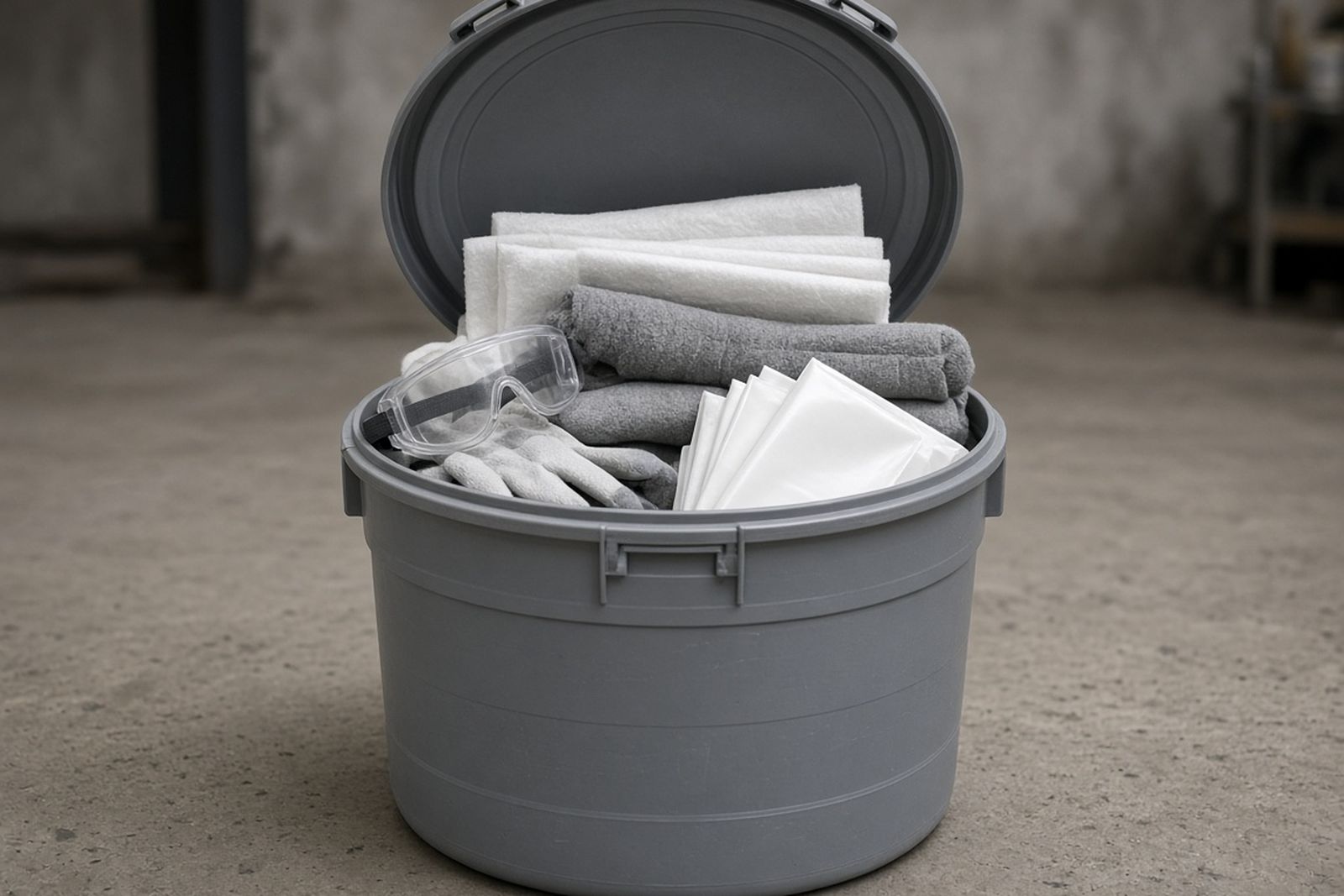
10 Questions to Ask Before Hiring a Hazmat Spill Response Company
Vet a spill contractor before you need one: ask about response coverage, HAZWOPER roles, monitoring gear, waste handling, reporting help, and closeout records.
Before hiring a hazmat spill response company, ask what materials and spill sizes it handles, how it dispatches after hours, how its crew roles are trained, what monitoring equipment it brings, how it protects drains, how it profiles and disposes of waste, whether it supports regulatory reporting, what insurance it carries, how it prices work, and what closeout documentation you receive.
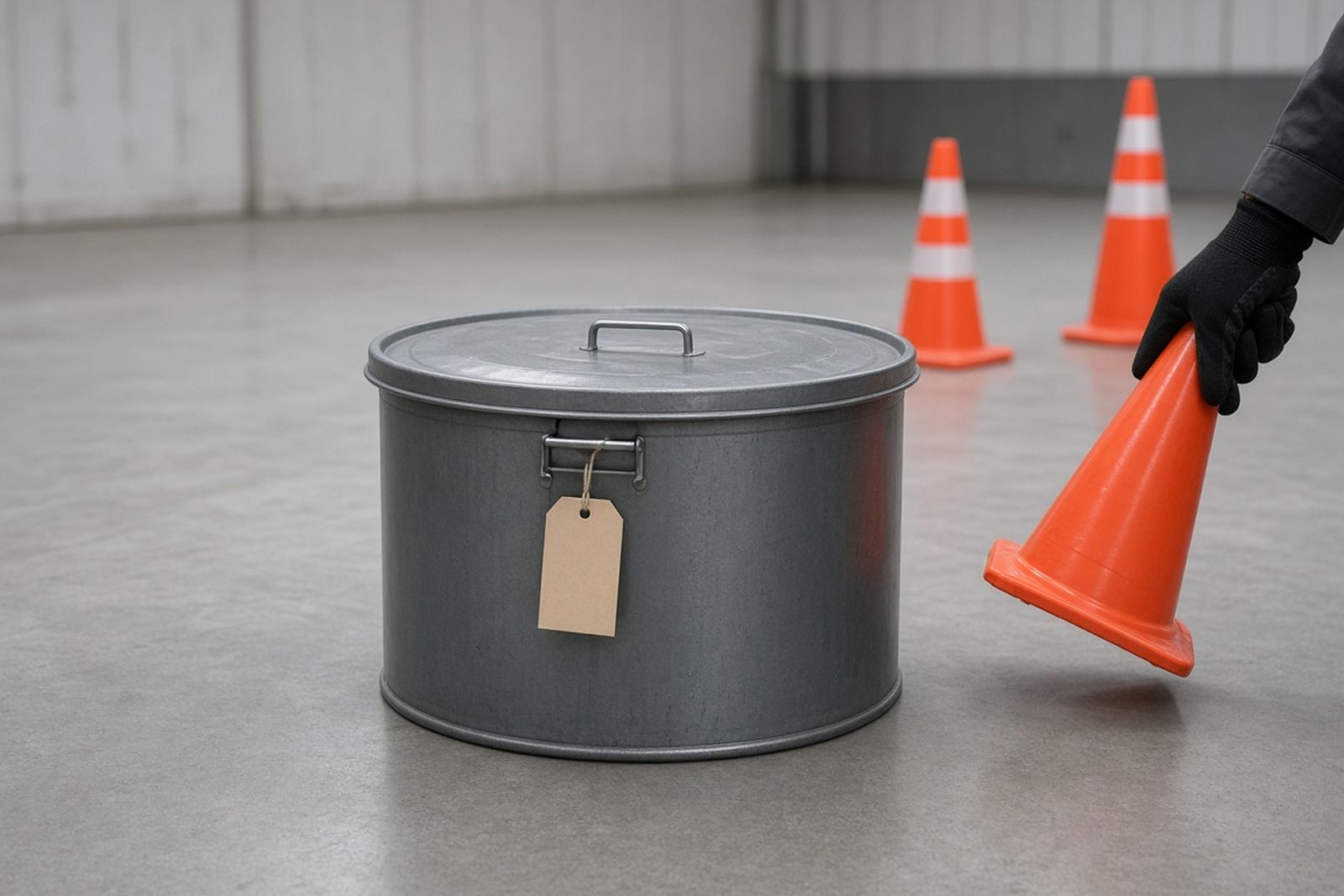
Red Flags When Hiring Hazmat Spill Response Services
Crews without HAZWOPER training, no plan to identify the chemical, and fuzzy answers on disposal and agency reporting are red flags in hazmat spill response.
Red flags when hiring a hazmat spill response company include crews that cannot describe their HAZWOPER training, no effort to identify the spilled material before choosing a method, no plan for air monitoring, vague answers about waste classification and disposal, advice to skip required agency notifications, and pressure to sign an open-ended agreement. A qualified contractor explains hazards, controls, and documentation in plain terms.
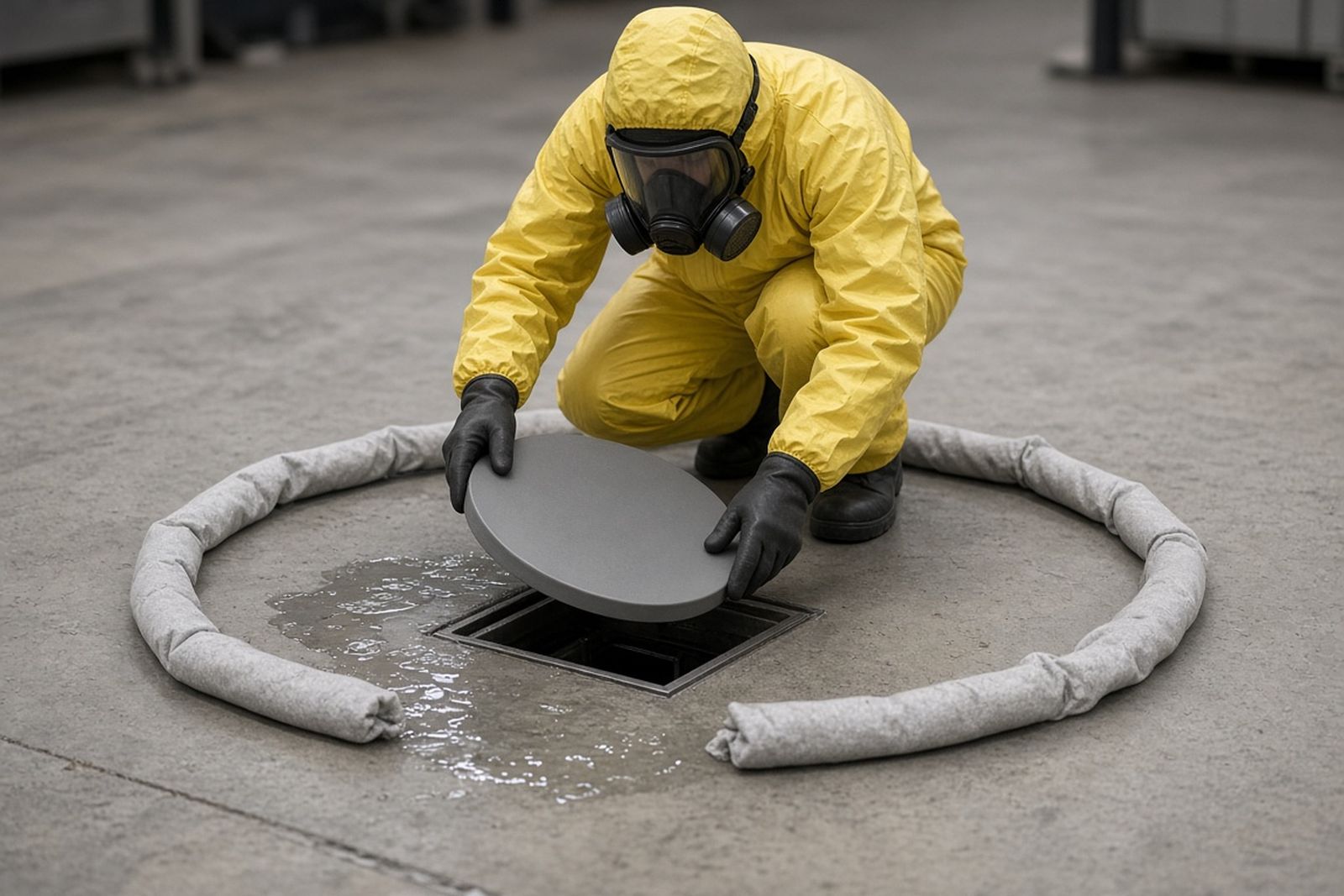
Training, Documentation, and Credentials for Hazmat Spill Response
HAZWOPER levels, supervisor training, respirator programs, and waste documentation explain whether a spill response crew is qualified. Here is what to check.
Hazmat spill response depends on role-specific training under OSHA's HAZWOPER standard, a qualified on-site supervisor, a respiratory protection program with fit testing, DOT hazmat training for anyone preparing waste for shipment, and records of monitoring, waste profiles, and manifests. Ask a contractor which training level each worker holds, who supervises, and what documentation you will receive, then verify what you can.
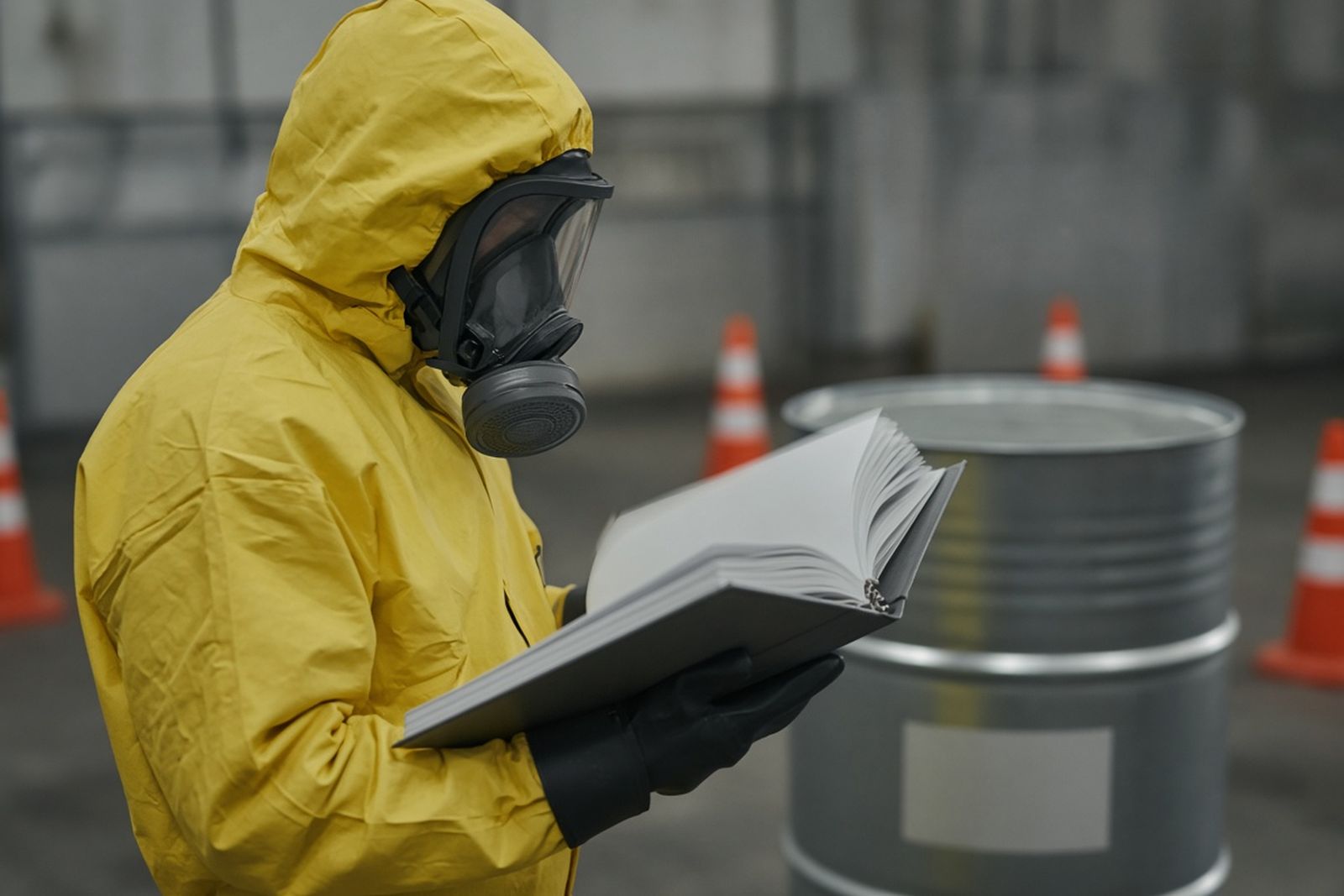
How to Compare Local and National Hazmat Spill Response Providers
National spill networks bring scale and 24-hour dispatch; local contractors bring nearby crews and local know-how. Here is how to compare them ahead of time.
Compare local and national hazmat spill contractors on who actually responds, their HAZWOPER training and supervision, equipment for your chemicals, waste disposal arrangements, insurance, subcontracting, and documentation. National networks offer broad coverage and central dispatch, often through local subcontractors. Local firms offer familiarity and direct accountability but may have less capacity for large events. Vet both before a spill, not during one.
Sourced figures on choosing a company
- 36.5%
36.5% overall sought medical care for odor-related symptoms.
Read with care: Reported symptoms and odor; not measured individual exposure doses.
Source: Behbod et al. (2014)204 household representatives surveyed in two distance zones, September 2012.
- 1.2 million per day
More than 1.2 million hazmat shipments move every day in the United States, totaling over 3.3 billion tons valued above $1.9 trillion annually.
Read with care: Secondary source; the original DOT budget document was not fetched directly.
Source: DOT PHMSA (via Wikipedia, citing PHMSA FY2023 budget estimates) (2023)United States, all modes, PHMSA FY2023 congressional justification
- 10,000 more filings
PHMSA received about 10,000 more hazmat incident filings in 2022 than in prior years after moving to electronic reporting.
Read with care: Reflects reporting changes as much as real incident growth.
Source: PHMSA statement (via Data Liberation Project) (2023)United States, PHMSA Form 5800.1 filings, 2022
These figures are public research and agency data, not this network's own job records. Keep each number with its population, year and limits; none of them predicts cost, timing or outcome at a specific property.
What research has found
Findings from published studies of people and properties in situations like this one. They describe what researchers observed in a specific group; they are not predictions for your case.
Timely information was associated with compliance.
Nearer-zone residents reported greater odor severity.
Choosing a Company: common questions
Should I set up a spill response contract before an incident?
Setting up a contractor ahead of time is widely seen as good practice for sites that store fuel or chemicals. It gives you time to review training records and confirm waste plans. You can also share site maps and product lists in advance. An agreement in place can also reduce confusion during an emergency, since everyone already knows who to call and what to expect.
What documents should a spill contractor give me at the end?
Expect a written summary of what happened and what was done. Expect waste records, waste shipping records, and receipts from the disposal site. You should also get photos and the test results used to support reopening. Some agencies also require a closing report. Ask for these items before work starts so the contractor knows exactly what your file needs.
Is a national spill response network better than a local contractor?
Neither is always better. A national network may manage many sites across several states. A local contractor may know your agencies, drain systems, and disposal options well. Compare their training, waste plans, records, and the actual crew who would come to your address. Confirm their claims with your state environmental agency.
Should I use my regular hazardous waste vendor for spill response too?
Some waste vendors also offer emergency response. That can make disposal simpler, because they already know your types of waste. Others only haul and dispose. Ask whether the vendor has trained response crews, after-hours dispatch, and response gear. Check it the same way you would any spill contractor. Do not assume waste experience means it can handle a response.
How many contractors should I interview before choosing?
Interview enough to see real differences in answers, rates, and equipment. That usually means more than one. Include at least one backup in case your first choice is not available during an incident. Use the same questions for each so you can compare answers fairly. Give more weight to site visits and sample records than to sales pitches.
What should I do if a contractor will not visit my site before an agreement?
Ask why. Some firms charge for planning visits or schedule them after signing. That can be fair if they explain it. A contractor that refuses any site review but wants a long-term deal is asking you to trust it without seeing your drains, access, or chemicals. Think about whether another firm would make the visit, and compare.
Can a general restoration company handle a chemical spill?
Some restoration companies have trained hazmat crews. But many focus on water, fire, and mold damage. Ask directly about training for chemical spills, air testing, waste testing, and experience with your products. For fuel, solvents, acids, or unknowns, choose a firm that handles spill response often. Use a restoration company for rebuilding afterward.
Related community polls
Every count is a real visitor vote; nothing is seeded or padded. One vote per poll per device, and you can change your answer.
How prepared is your site for a chemical or fuel spill right now?
In your most recent spill, what was the first action taken?
More on hazmat spill response
Hazmat Spill Response services
Learn how spill response works for chemicals, fuel, oil, and unknown products. It runs from closing off the area and reading the SDS to waste disposal and reopening.
Costs explained
What drives the price, published cost ranges, and how to read a written quote line by line.
Insurance and payment
Which policies may respond, how to document a claim, and what to do if coverage is denied.
Planning tools
Hands-on planners help you order the first day, judge staff risk, check contractors, sort spill waste, and organize a claim.
Community polls
Compare your spill planning and response choices with facility, fleet, and property managers who faced similar spills and learned from them.
Knowledge quiz
Check what you know about spotting hazards, who is in charge, containment, cleanup, waste, and records with a short quiz for managers.
City guides
Find learning resources and spill response contractor listings for your state, county, and city. See which agencies handle spill reports there, too.