Short answer
Red flags when hiring a hazmat spill response company include crews that cannot describe their HAZWOPER training, no effort to identify the spilled material before choosing a method, no plan for air monitoring, vague answers about waste classification and disposal, advice to skip required agency notifications, and pressure to sign an open-ended agreement. A qualified contractor explains hazards, controls, and documentation in plain terms.
Why choosing is harder than it looks
A chemical spill usually arrives with urgency. Product is on the floor, a drain is nearby, employees or tenants are asking questions, and you may have a fire department or environmental agency on the phone. In that moment, the first company that answers can feel like the only option.
Hazmat spill response is a field where the gap between a qualified contractor and an unqualified one is wide. A capable team identifies the material, protects people, stops the spread, and handles the waste correctly. An unqualified one may spread contamination, expose workers, or leave you with waste and paperwork problems that last far longer than the spill.
If anyone is sick, injured, or in danger, call 911 first. The red flags below are for choosing the contractor who handles containment, cleanup, and disposal once emergency responders say it is appropriate to proceed.
It helps to think about this before a spill ever happens. Many facilities keep a short list of vetted contractors in their emergency plan so that the choice is already made when the call comes.
Training red flags
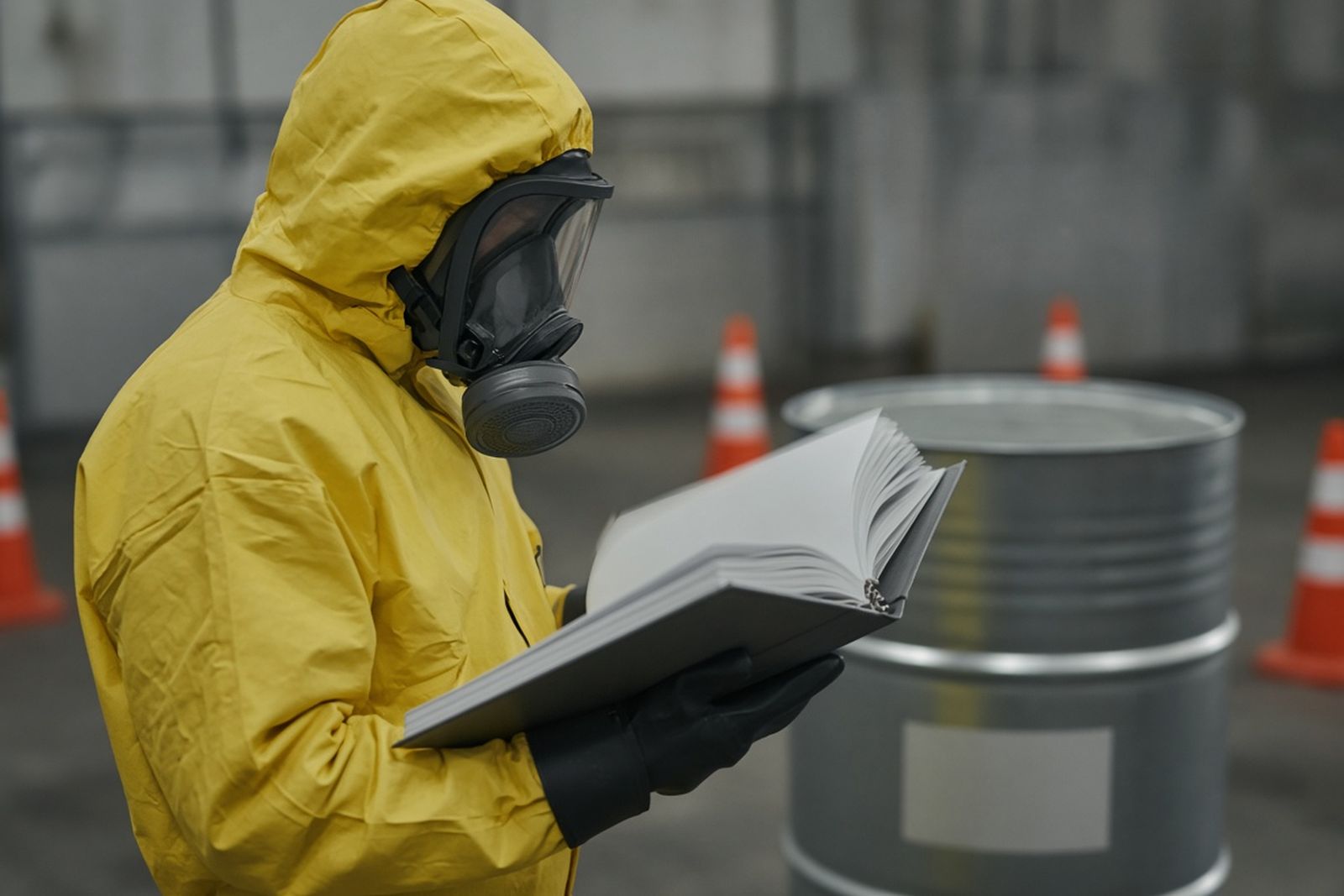
Workers who clean up hazardous substances are generally covered by OSHA's Hazardous Waste Operations and Emergency Response standard, known as HAZWOPER. The required training depends on the role. General hazardous-waste site workers must complete at least 40 hours of off-site HAZWOPER instruction plus three days of supervised field experience, according to OSHA's 2024 text of 29 CFR 1910.120.
You do not need to memorize the hours. What you want is a contractor who can tell you which training level its crew holds, when refreshers were last completed, and who the on-site supervisor will be. A shrug, a claim that training is not needed for small spills, or an answer that only mentions general safety classes is a warning sign.
Ask about medical surveillance and respirator fit testing as well. Crews that wear respirators should be fit tested and medically cleared. A company that hands out respirators without that process is taking shortcuts with its own people, and it will likely take shortcuts elsewhere.
- Cannot name the HAZWOPER training level of the crew
- No designated on-site supervisor
- No respirator fit testing or medical clearance program
- Says small spills do not need trained responders
- Relies on day laborers with no safety orientation
Should a contractor identify the chemical before starting?
Yes. The right absorbent, neutralizer, protective equipment, and disposal route all depend on what spilled. A contractor should ask for the safety data sheet, the container label, shipping papers if a vehicle was involved, or any other information that identifies the material.
Be cautious if a crew arrives and starts spreading absorbent or rinsing surfaces without asking what the product is. Some chemicals react badly with water or with each other. Rinsing a spill toward a floor drain can also turn a contained problem into a sewer or stormwater release.
When the material is unknown, a qualified team treats it as more hazardous until testing or documentation narrows it down. That may mean a slower start, which can be frustrating, but it is a sign of competence rather than a lack of urgency.
No air monitoring is a warning sign
Many spilled chemicals release vapors, and some can create oxygen-deficient or flammable atmospheres, especially indoors or in low areas. Air monitoring tells the crew what protection is needed and when it is safe for others to return.
Ask what instruments the contractor will use and who will read them. Common tools include multigas meters, photoionization detectors, and chemical-specific monitors. A contractor that has no monitoring plan, or says it can tell by smell, is a clear red flag.
You should also ask how the contractor decides when people can reenter. A trustworthy answer ties reentry to monitoring results and, where relevant, to guidance from the fire department or environmental agency.
Monitoring should continue after the visible liquid is gone. Vapors can linger in porous concrete, cracks, and nearby rooms, and readings can change as temperatures rise during the day. A contractor that packs up its meters the moment the floor looks dry may be declaring the job done too soon.
Disposal and reporting red flags
Spill cleanup produces waste: used absorbents, contaminated soil, protective gear, and sometimes recovered product. That waste must be characterized and managed under federal and state hazardous waste rules if it qualifies. As the property owner or business, you may be listed as the generator.
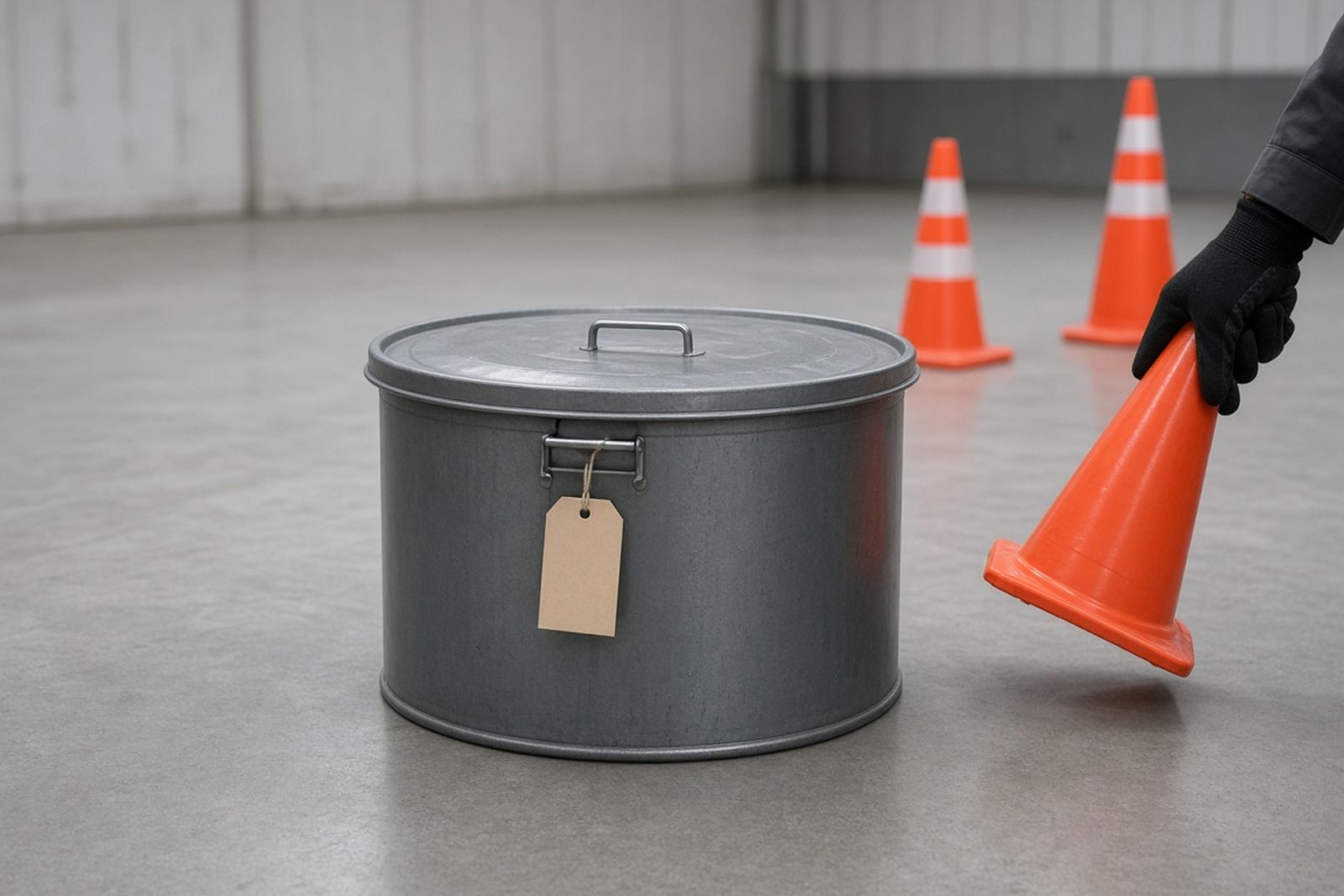
A red flag is any suggestion that the waste can simply go in a dumpster, be washed away, or be taken without a manifest or shipping paper. Another is a contractor that will not name the facility where the waste will go.
Reporting is the other trap. Some spills must be reported to federal, state, or local agencies within a short time, depending on the substance and quantity. A contractor should help you understand whether a notice may be required. A company that advises you not to report so the job stays quiet is putting you at risk. When in doubt, your state environmental agency's spill line can confirm whether notice is required.
A red-flag response, and a better one
Here is how a bad response can unfold, in an illustrative case. A delivery driver backs into a stack of drums at a small manufacturing plant, and one drum of an industrial solvent splits open near a loading dock drain. The plant manager has no spill contractor on file.
The first company she reaches says it can be there in an hour and names a price by phone. The crew arrives in street clothes and rubber gloves, asks no questions about the product, and begins pushing the liquid toward the drain with squeegees. There is no air meter on site, and the foreman says the contaminated absorbent can go in the plant's dumpster.
The manager stops the work, keeps people away from the dock, and calls the fire department's nonemergency line for guidance. A second contractor asks for the safety data sheet, blocks the drain, sets up air monitoring, puts its crew in the right protective equipment, and explains how the waste will be packaged, profiled, and shipped. It also tells her which agencies may need notice and helps her gather the facts she needs to make that call.
Contracts, pricing, subcontractors, and equipment
Emergency work is often billed on a time-and-materials basis, and that can be fair. The concern is an agreement with no rate sheet, no cap or checkpoint, and no clear description of what counts as billable.
Ask for the rate schedule before signing, or at least before the crew begins substantial work. It should list labor rates by role, equipment charges, materials, disposal costs, and any markups. Ask how often you will receive updates on costs as the job goes on.
Be wary of a contractor that asks you to sign a blank or open-ended authorization, refuses to give you daily logs, or will not break down disposal charges. Those are the terms that lead to surprise invoices.
Insurance claims need the same care. A contractor can document the response and share records with your insurer, but it cannot promise what your policy will pay. Any assurance that coverage is guaranteed is a red flag.
Large spills often involve more than one company. Vacuum trucks, waste haulers, laboratories, and disposal facilities may all be part of the response. That is normal, but you should know who is doing what.
Ask the lead contractor which parts of the work it will perform with its own staff and which it will subcontract. Ask whether subcontractors meet the same training and insurance standards. A company that cannot or will not say who is on your property is a concern.
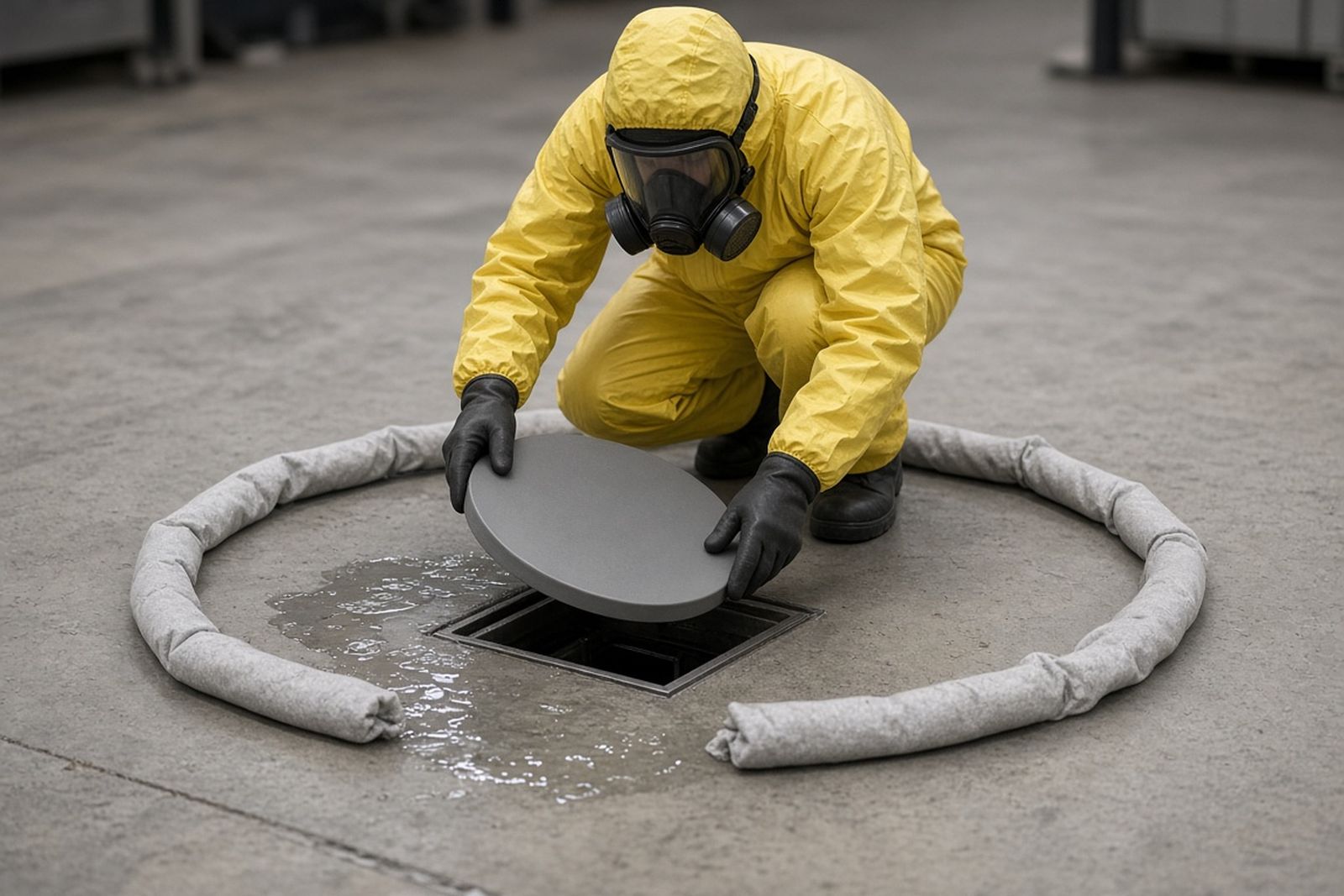
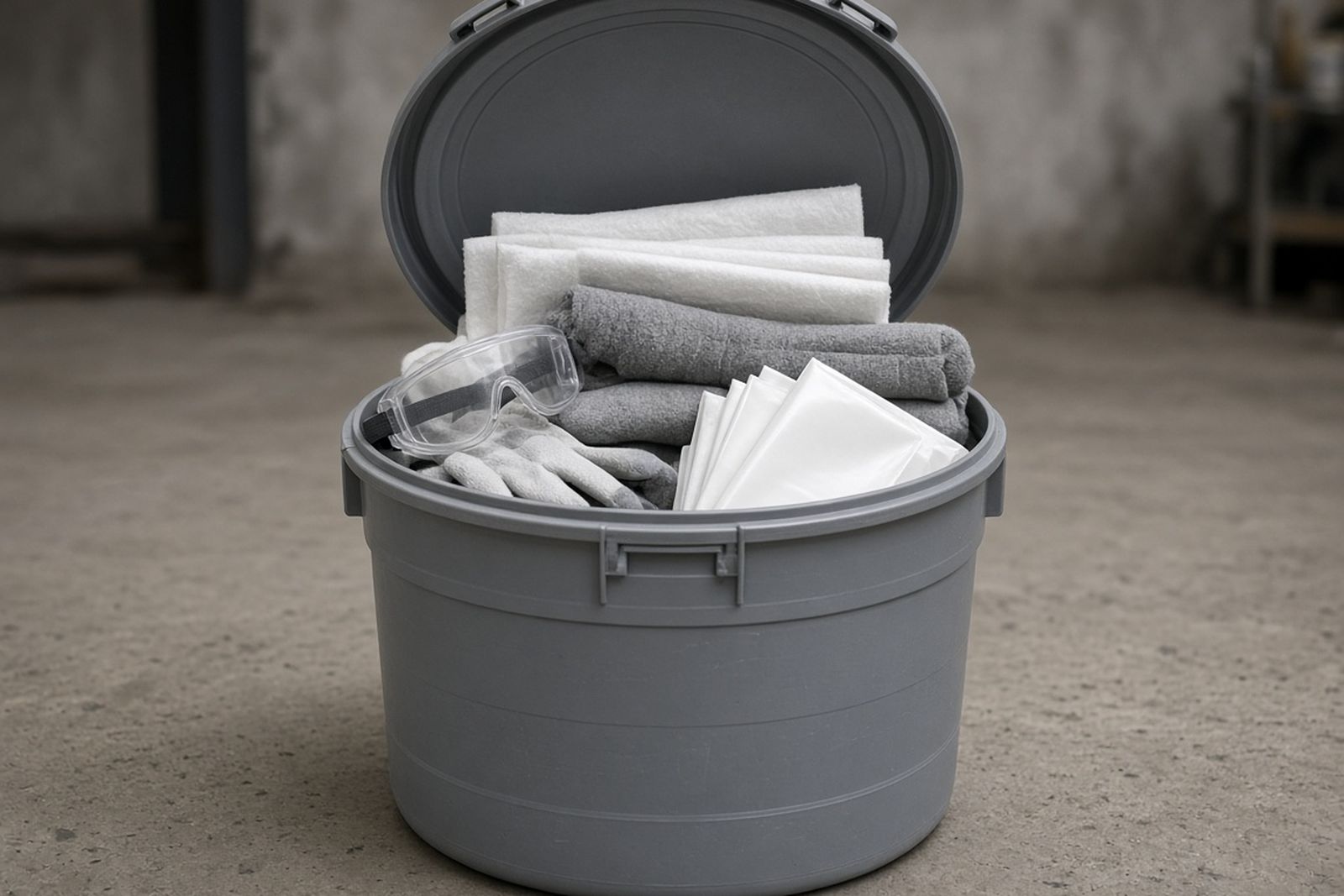
Look at equipment, too. A professional crew arrives with spill kits, containment booms or berms, drain covers, monitoring instruments, protective gear suited to the hazard, and decontamination supplies for its own people. A pickup truck with a few bags of kitty litter is not a spill response unit.
How can I prepare so I am not choosing under pressure?
The best protection is choosing a contractor before you need one. Review two or three companies, check their training, insurance, and references, and compare their rate sheets. Record the preferred contractor in your emergency plan, along with a backup.
Keep safety data sheets where they can be found quickly, know where your drains lead, and keep a basic spill kit on hand for small, known materials your staff is trained to handle. When a larger spill happens, you will spend your time protecting people instead of searching for a phone number.
Once a year, call your preferred contractor to confirm its contact number, rates, and coverage area are still current. Companies merge, change service areas, and update pricing, and an outdated entry in your plan can cost you valuable time. A quick check also gives you a chance to ask whether anything about your operation has changed that the contractor should know.