Short answer
OSHA's main rule for chemical spills is HAZWOPER, 29 CFR 1910.120. It splits spills into two kinds. Small, everyday spills can be handled by your trained staff. Emergency spills need a written plan, a clear chain of command, set training levels and the right protective gear. Rules on chemical warnings, breathing protection and gear apply alongside it. Reporting the spill to environmental agencies is a separate duty handled by EPA and the states.
Why OSHA cares who walks toward a spill
When a drum tips or a line bursts, the most dangerous choice is often made in the first minute. Someone grabs a mop, a bag of absorbent or a hose and walks in. OSHA's rules exist to make that choice ahead of time, on paper. That way it is not left to whoever happens to be nearby.
OSHA does not regulate the chemical, the soil or the storm drain. It regulates employers. It asks whether the people sent toward a spill were trained, equipped, supervised and protected. That is why your site can follow every environmental reporting rule and still have serious OSHA trouble. It only takes an untrained worker getting hurt during the response.
The key question for any site that stores chemicals is easy to ask and harder to answer. Before anything spills, have you decided which workers will respond? To what size and type of spill? With what gear? OSHA expects that answer to exist in writing.
That written answer should also say what everyone else does. Most workers at a chemical site will never respond to anything. Their job is to know the alarm, leave by the right route and report to the meeting point. Their training is shorter, but it still matters. A confused evacuation can put people downwind of the spill.
Is every chemical spill an emergency response under HAZWOPER?
No, and this difference shapes everything else. OSHA separates small everyday spills, called incidental releases, from emergency responses. An incidental release is one that workers in the area, or maintenance staff, can soak up, neutralize or otherwise control right away. They can do this without creating a serious safety or health danger.
Say a small amount of a familiar cleaning chemical spills in a work area. Workers know the product, have the right absorbent and face no serious exposure. That is often incidental. A spill that is large, unknown or spreading is usually not incidental. The same goes for one that gives off fumes that need breathing protection, or that could start a fire.
The amount alone does not decide it. OSHA looks at the danger, the setting, the workers' training and the gear on hand. A small spill of a very toxic material in a cramped room may call for an emergency response. A larger spill of a mild product outdoors may not.
Your staff may be expected only to leave and call outside responders. If so, your duties center on an emergency action plan. If any worker is expected to act on spills beyond incidental ones, HAZWOPER's emergency response rules apply to your company.
Five responder levels
HAZWOPER describes a ladder of responder roles, each with its own skills. Employers assign people to a level based on what they will really be asked to do. Then they train them to that level and keep records.
The minimum hours are modest. OSHA (2024) sets them in 29 CFR 1910.120: operations-level first responders need at least 8 hours of training, and hazmat technicians need at least 24 hours. But hours are only a minimum. A responder who sat through the course but cannot do the role in a drill has not met the rule.
- First responder awareness: spots a spill, protects themselves and calls for help
- First responder operations: takes defensive steps from a safe distance, such as building a dike or closing valves from far away
- Hazardous materials technician: goes up to the spill to plug, patch or stop it
- Hazardous materials specialist: backs up technicians with deeper knowledge of certain chemicals
- On-scene incident commander: takes charge of the response beyond the awareness level
Refreshers and matching the level to the job
Refresher training is expected on a regular basis. Employers must be able to show that each responder's knowledge is current. Records should list the course, the date, the teacher and how skill was confirmed.
Match the level to the job duties, not the job title. Say a maintenance mechanic is expected to close a remote valve during a leak. He is doing operations-level work even if nobody calls him a responder. He needs training that fits that duty.
When the emergency ends and cleanup begins
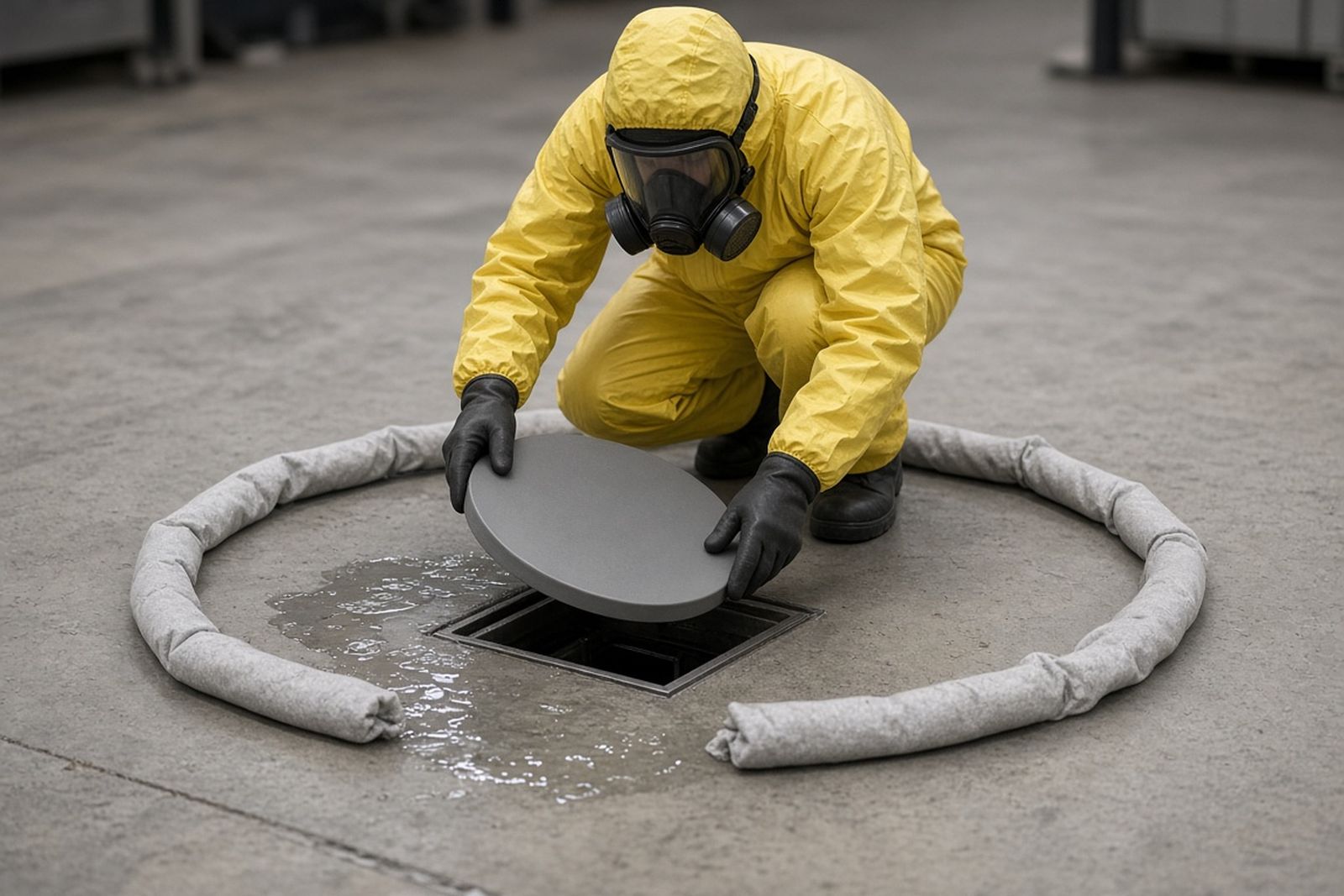
Once the source is stopped and the immediate danger is under control, the work shifts. It moves from emergency response to cleanup after the emergency. The people removing soiled soil, drums, absorbent and debris are doing a different job than the team that stopped the leak. OSHA treats it differently.
HAZWOPER's cleanup rules can apply in two cases. One is when the cleanup is done by workers who were not part of the site's own response. The other is when it takes place off the site's property. For that work, OSHA (2024) requires general hazardous waste site workers to finish at least 40 hours of HAZWOPER classes off the job site plus three days of supervised field work.
The rule allows a shorter path for limited roles. Under the same 2024 OSHA text, workers with occasional or low-exposure site duties need at least 24 hours of HAZWOPER classes plus one day of supervised field work. But the employer must record exposure levels to justify the shorter course.
This is one reason spill companies often bring separate crews for the response and for the cleanup. Ask which training track each person on site has finished, because the two phases carry different expectations.
Which other OSHA standards apply during a spill?
HAZWOPER rarely works alone. The Hazard Communication standard requires labels and safety data sheets for dangerous chemicals. Those papers are often the fastest way responders learn what they face. A missing or outdated safety data sheet can slow the whole response.
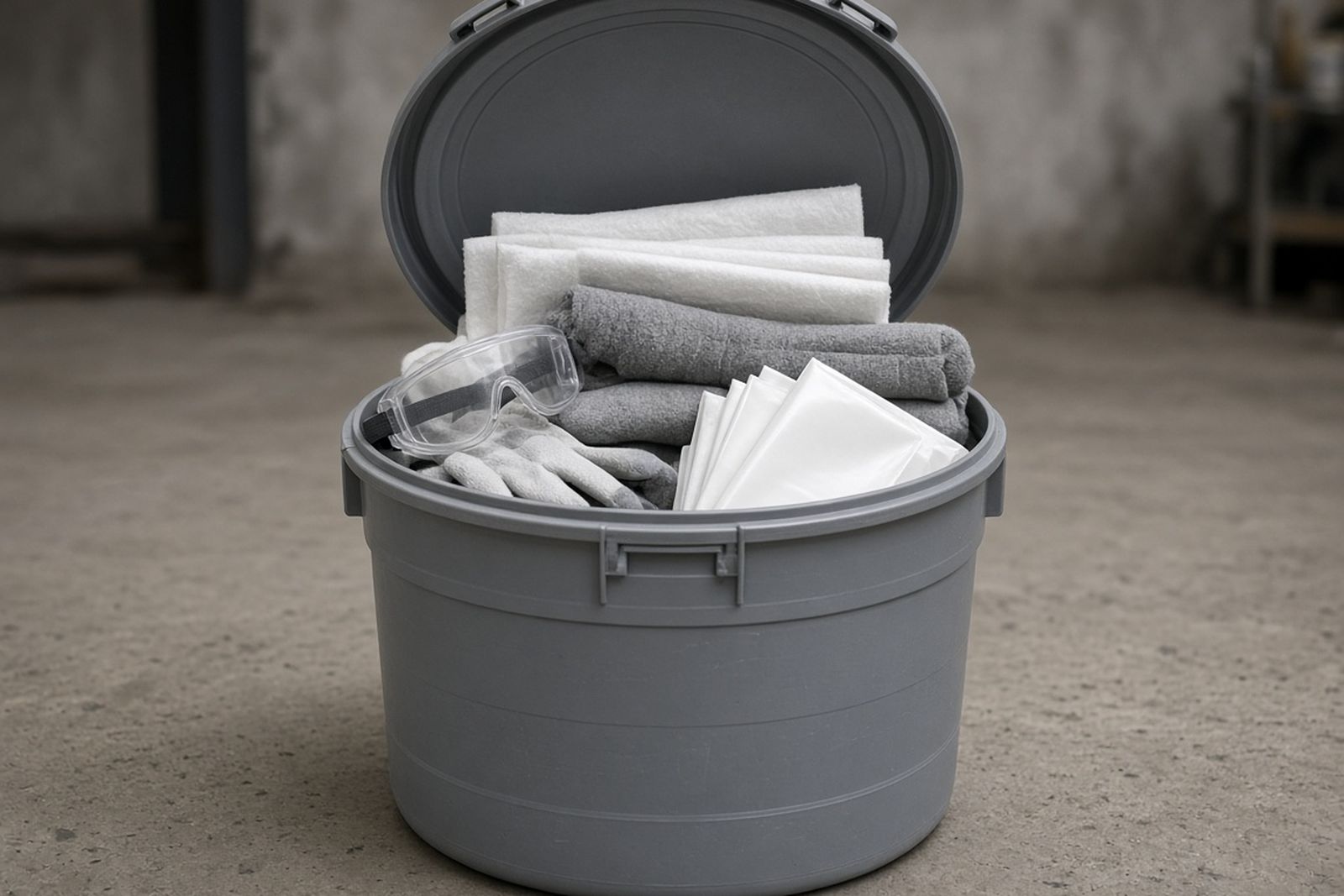
The Respiratory Protection standard applies whenever respirators are required. It calls for a written program, a medical check before use, fit testing for tight masks and training. A spare respirator hanging on a hook does not meet the rule if the worker has never been checked or fitted.
The general protective gear rule requires a written review that matches gloves, suits and eye protection to the task. Rules for emergency action plans and fire prevention cover evacuation, alarms and counting heads. Confined space rules take over if a responder must go into a pit, sump or tank.
Medical checkups are another piece. HAZWOPER calls for medical exams for hazmat team members and some other exposed workers. These happen on a regular schedule and after an exposure or symptoms. Keep those results private and apart from general staff files.
What belongs in a written emergency response plan?
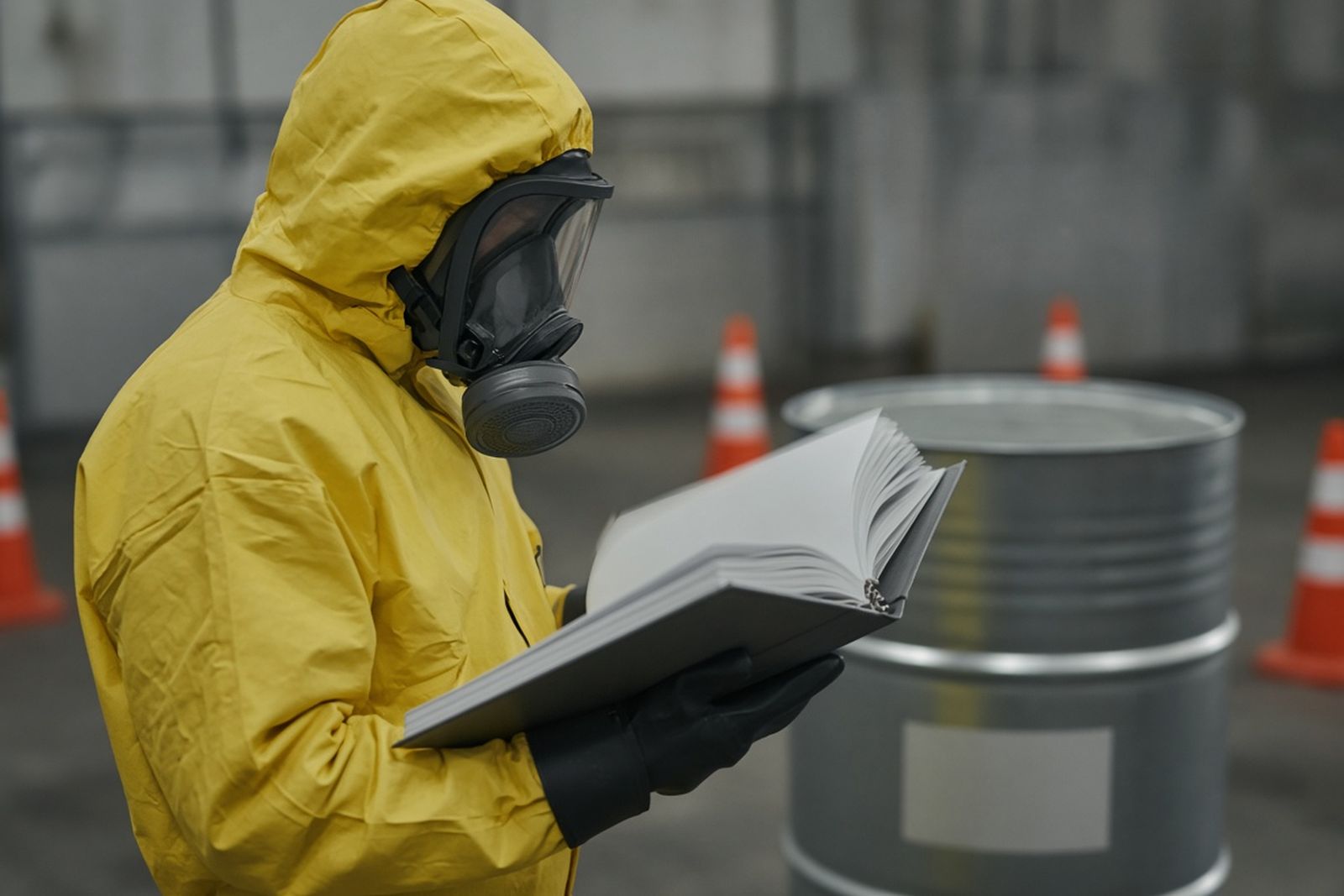
If your workers will respond beyond incidental spills, HAZWOPER requires a written emergency response plan. It must be available to inspectors and to workers. It does not have to be long, but it must be specific to your site and your chemicals.
OSHA also expects responses to be run under an incident command system, with a senior official in charge. Workers in the danger zone must use a buddy system. Backup staff must stand by, ready to help or rescue.
- Planning ahead and coordinating with local fire and hazmat teams
- Staff roles, chain of command, training and communication
- Spotting and preventing emergencies
- Safe distances, places of safety and site security
- Evacuation routes and steps
- Cleaning people and gear, emergency medical care and first aid
- Alarm and response steps
- Review of the response and follow-up
- Protective gear and emergency equipment
Applying the incidental test to incompatible products
The line between incidental and emergency is easiest to see with products that react with each other. A pool and spa supply warehouse is a classic setup. Liquid acid is stored on an upper rack above chlorine-based sanitizer. Say a forklift pokes a hole in the acid container and it drips onto the sanitizer. Workers will notice a sharp, stinging smell spreading through the aisle.
That spill is not incidental. The products react with each other, a gas may be forming and the smell means there is something in the air. The plan should send people through the same steps every time. Sound the alarm and move upwind. Count everyone at the meeting point. Call 911 and the hired spill team. Nobody reaches for a broom.
Operations-level workers still have a role in a spill like this, as long as it is defensive and they trained for it. Typical examples are shutting off the building's air handlers from outside controls. Another is handing the arriving hazmat unit the safety data sheets and a map of the rack.
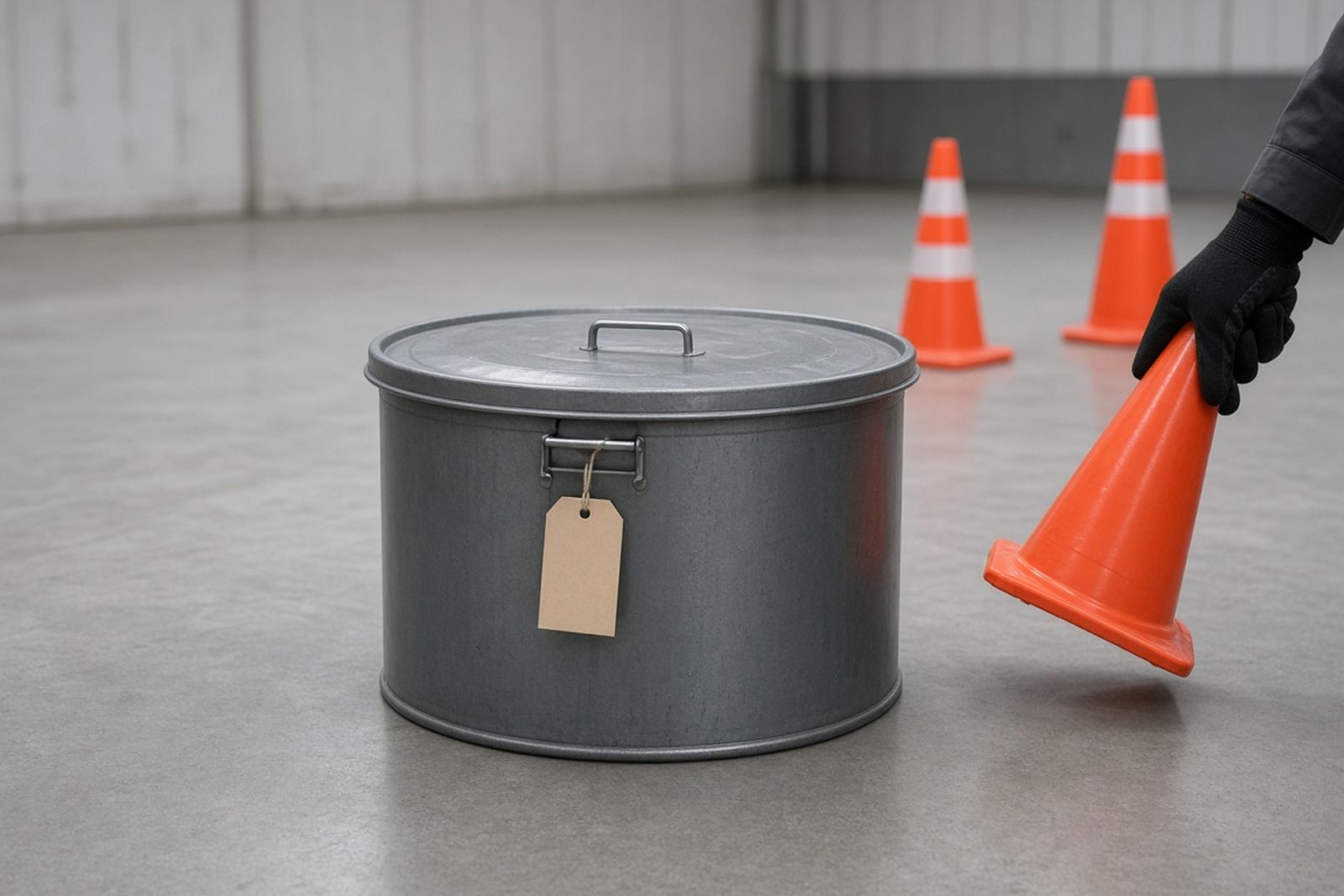
After the spill is under control, a cleanup crew trained for that work bags the damaged product and absorbent. The employer looks at why products that react with each other were stacked in the same column. OSHA duties cover the people. Separate environmental rules decide whether the spill must be reported and how the waste is handled.
Checking a contractor's OSHA readiness
Hiring a spill company does not hand off all of your duties. But it does let you rely on its trained people for tasks your staff should not try. Before you sign a service agreement, ask for proof, not promises.
Also confirm how the company will work with your plan, since two sets of instructions during a spill create confusion. If your state runs its own OSHA-approved plan, its rules may differ in detail. The state plan office can answer questions about your site.
- Training records showing each crew member's HAZWOPER level and refresher dates
- Their written programs for breathing protection and medical checkups
- How they take command when they arrive at your site
- Which roles they expect your workers to fill, if any
- How they keep emergency response crews separate from cleanup crews