Short answer
Property managers are rarely the chemists at a spill, but they control access, vendors, tenants, and records. Know what chemicals are stored on your property, keep safety data sheets and emergency numbers where staff can reach them, call 911 for any active release, hire a HAZWOPER-trained contractor for cleanup, and keep waste and reporting records.
Know your property before anything spills
Spills at apartment communities, office parks, and retail centers are usually ordinary materials in the wrong place. Pool and spa chemicals leak in a storage room. A generator's diesel tank overflows during a refill. A tenant's cleaning service knocks over a drum of floor stripper. A delivery truck backs into a bollard and splits a tote of something nobody on site can name.
Commercial and industrial tenants raise the stakes. Auto repair bays, print shops, labs, salons, and small manufacturers may store solvents, acids, caustics, or compressed gases that behave very differently once they are out of their containers.
Your role in each of these is the same. You are the person who knows the building, holds the keys, can reach the tenants, and decides which vendors come through the gate.
Preparation is mostly an inventory problem. You cannot help responders if you do not know what is stored on site or where the shutoffs are.
Start with the materials you control directly, such as pool chemicals, fuel for generators and landscaping equipment, paint, and janitorial concentrates. Then ask commercial tenants for a list of hazardous materials they keep and the safety data sheets that go with them. Many commercial leases already give you the right to request this information; if yours do not, talk with your counsel about adding it.
Store the information where someone can find it in the middle of the night. A binder in a locked office is less useful than a copy in the maintenance shop and a digital version on a shared drive.
- A site map marking chemical storage rooms, fuel tanks, and floor drains
- Locations of water, gas, and HVAC shutoffs
- Safety data sheets for chemicals you own and those tenants report
- Tenant emergency contacts, including after-hours numbers
- Contact information for a hazmat cleanup contractor you have vetted in advance
The first minutes are about people
The first minutes are about people, not cleanup. Train staff to leave the area, keep others out, and call 911 for any release that is spreading, producing fumes or odor, involves an unknown material, or has caused anyone to feel ill. They should report from a safe distance and upwind if they are outdoors.
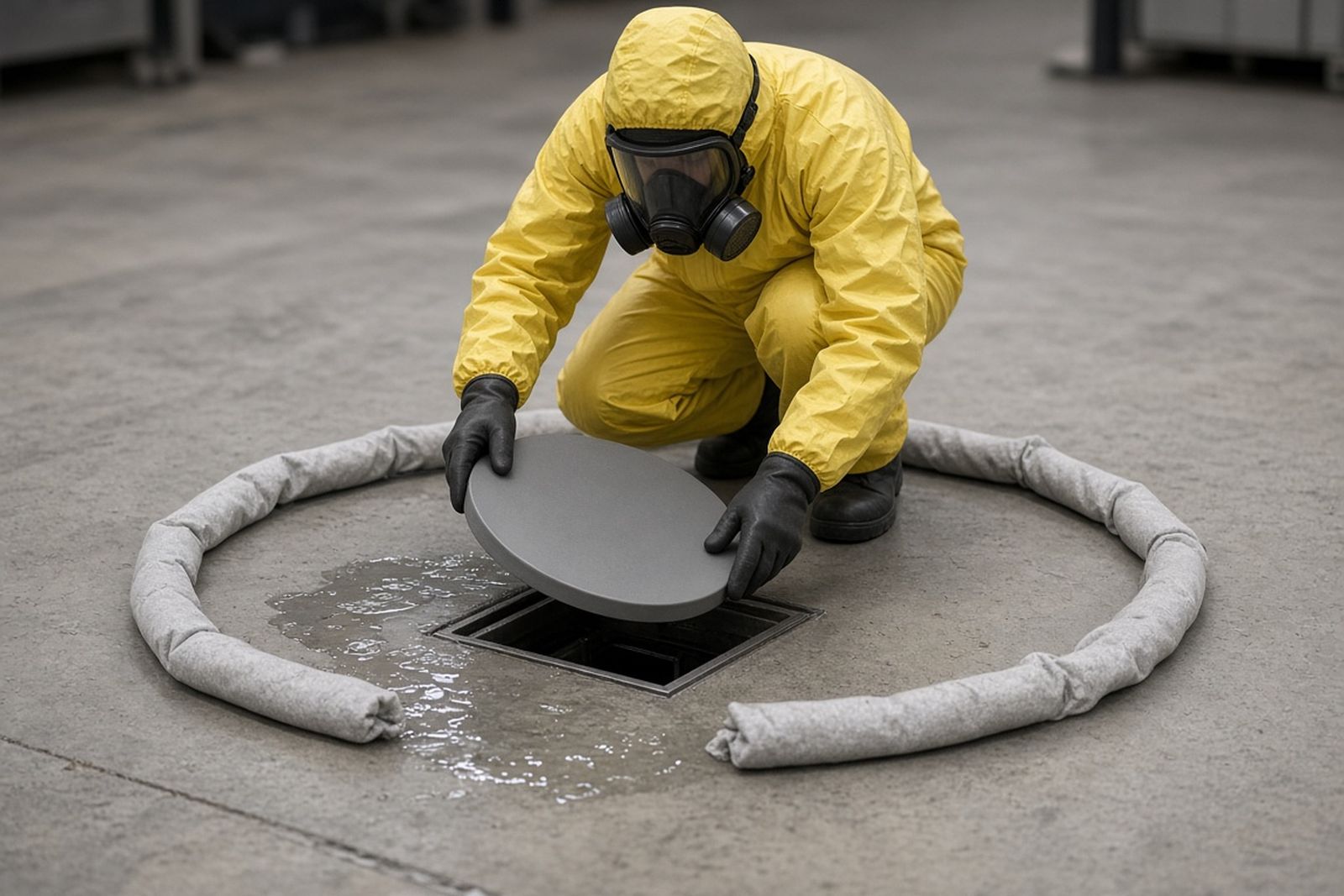
Staff should not try to identify a chemical by smelling it, should not hose a spill toward a drain, and should not mix products to neutralize something. Water and incompatible chemicals can make a spill worse. If a safety data sheet is handy and safe to reach, bring it to the arriving fire crew.
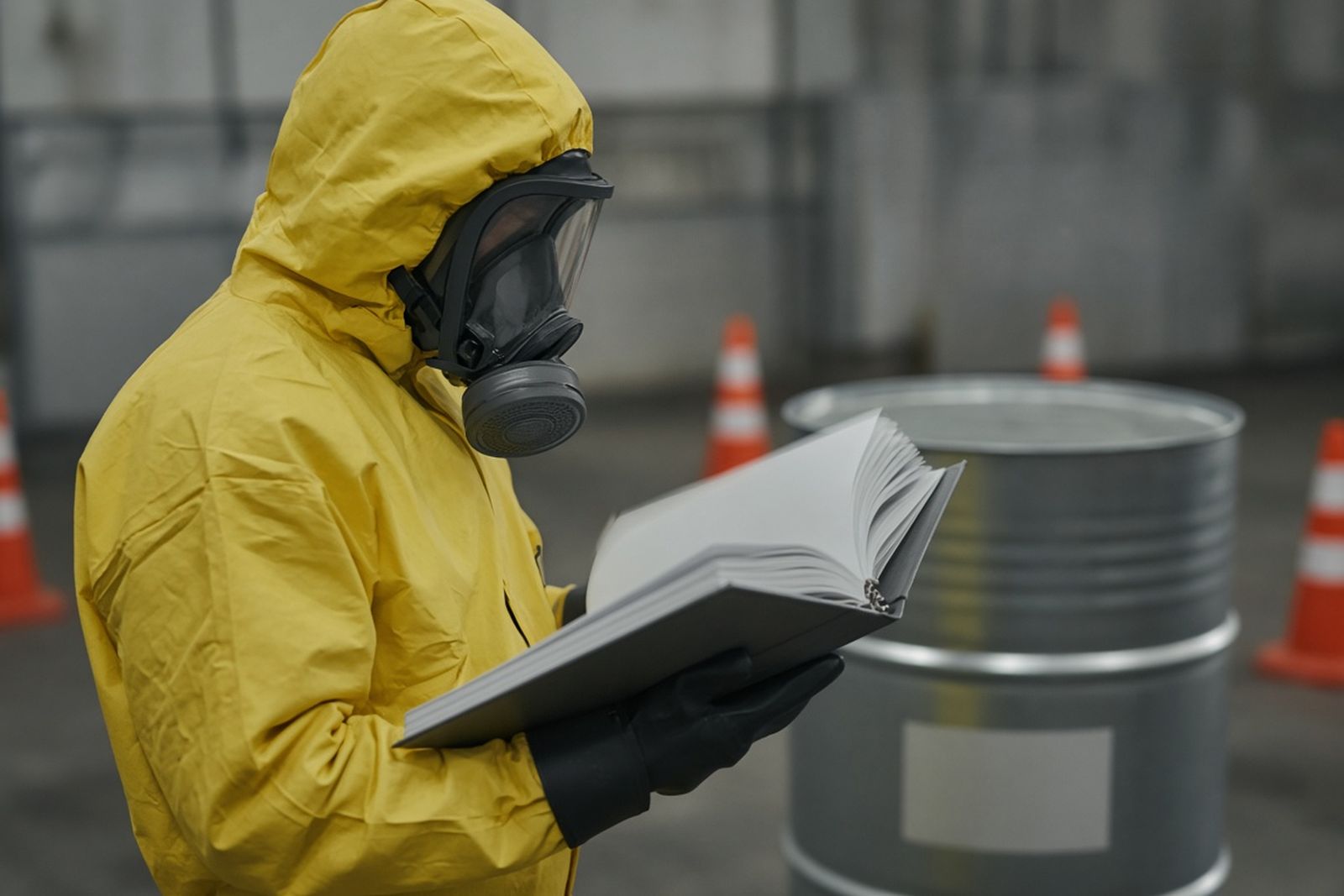
Only trained employees should respond to a release beyond the smallest, clearly identified, routine drip. Containing a chemical release is a trained role under OSHA's HAZWOPER standard, and unless your maintenance team has had that training, their job is to evacuate and call, not to contain.
Who is responsible for reporting the release?
Reporting duties often fall on the party that owns or controls the released material, which may be a tenant, a carrier, or you. Some releases must be reported to state environmental agencies, local emergency planning committees, or federal hotlines depending on the substance, quantity, and whether it reached soil, water, or a storm drain.
You do not need to memorize thresholds. You do need to know who will make the call. Ask the fire department's hazmat officer and your cleanup contractor whether the release appears reportable, and confirm in writing who is making any required notice. If a tenant owns the material, remind them of their obligation and ask for a copy of what they submit.
When the spill involves a vehicle on your lot, the carrier and driver usually have their own reporting duties under transportation rules. Get the carrier name, the shipping paper information, and the driver's contact before the truck leaves.
Choosing a cleanup contractor
Once the fire department releases the scene, someone has to clean it. That contractor should be experienced with the category of chemical involved, have HAZWOPER-trained workers and supervisors, and be able to arrange waste characterization and disposal through licensed facilities.
Ask how they will confirm the area is clean. For some materials, that means air monitoring or surface testing. For others, it means removing and replacing contaminated drywall, carpet, soil, or concrete sealant. A contractor that promises to wipe everything down without knowing the chemical has not earned the job.
Vetting a contractor in advance is worth an afternoon. Ask for references from similar properties, proof of insurance, and a sample closeout package. Having a name ready keeps a stressed staff member from picking whoever answers first.
How should I communicate with tenants during and after a spill?
Residents and tenants will follow clear, timely instructions when they get them. After the 2014 chemical spill in West Virginia, Savoia et al. reported in 2015 that 70% of people in affected counties said they followed recommended behaviours. People do act on good information, so give it to them.
Relay official instructions exactly, whether that is to evacuate, shelter in place, or avoid a parking area. Tell people what is known, what is not yet known, and when you will update them. Do not speculate about health effects; direct those questions to the fire department, poison control, or the local health department.
Afterward, share a short summary of the cleanup and any clearance results that apply to shared spaces. Tenants who were displaced or frightened want to know the area is safe, and a factual note from management helps rebuild trust.
The pool pump room problem
Pool chemical rooms deserve their own paragraph in any property manager's plan, because they combine incompatible products, small enclosed spaces, and vendors who may not know your storage rules. A chlorine-based sanitizer stacked on a shelf above a jug of acid is a common setup, and if the acid container cracks, the two can meet overnight.
The right response from staff is almost always the same. Whoever opens the room and notices a sharp odor or a haze should back out, close the door, keep residents away from the pool deck, and call 911. Bringing the safety data sheets from the shop to the arriving crew helps. Trying to ventilate the room or rinse the floor does not.
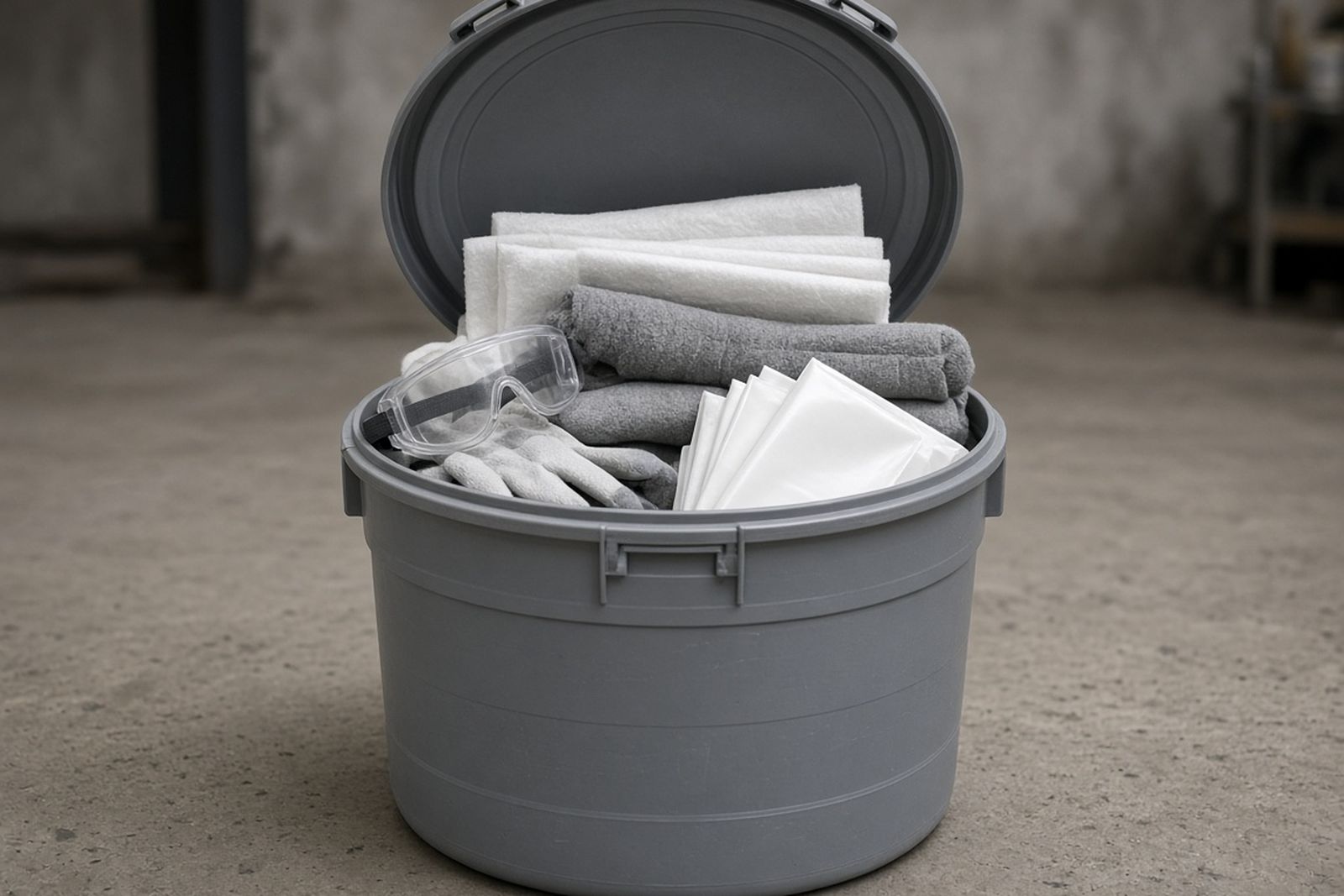
Once the fire department has ventilated the space and stabilized the containers, a pre-vetted cleanup contractor can remove damaged products, neutralize residue with a method matched to the chemistry, collect the waste for profiling, and confirm the room is clear before the pool reopens. A brief note to residents and an entry in the property file close the loop.
The lasting fix is contractual and physical: require compatible storage in the pool vendor's agreement, label the shelves, and check the room after every delivery. None of that requires chemistry expertise, only a habit of looking.
Owners, insurers, and the incident file
Owners want to know three things quickly: whether anyone was hurt, whether the building can operate, and who is paying. Give them the first two as facts and treat the third as an open question until the policy has been reviewed.
Notify the property insurer promptly and in writing, even if you expect a tenant or carrier to bear the cost. Many policies treat pollution and chemical releases differently from ordinary water or fire damage, and some exclude them or limit them to specific endorsements. Do not tell the owner a spill is covered, and do not tell a tenant it is not, until an adjuster has looked at the policy language and the facts.
If a tenant's material caused the spill, review the lease for environmental and indemnity clauses and involve counsel before sending a bill. Keep your tone neutral in every message; the tenant may still be a long-term occupant after the dust settles.
Finally, schedule a short review with your team within a week. Ask what went well, what slowed the response, and which supplies or phone numbers were missing. Small changes, such as a relabeled shutoff valve or an updated tenant contact sheet, are how the next spill becomes easier.
Documentation protects the owner, supports insurance claims, and helps prevent the same event. Keep one folder per incident and store it with the property's permanent records.
Include the fire department incident number, photos of the area before and after cleanup, the contractor's scope and invoice, waste profiles and disposal manifests, any agency reports and their confirmation numbers, clearance or sampling results, and a short internal summary of what changed afterward. If you manage a portfolio, share the lessons with other sites so the fix travels further than one building.