Hazmat Spill Response: Safety
Hazard-assessment articles for hazmat spill response, including when bloodborne, chemical, respiratory, sharps, structural, or waste controls may apply. PPE and containment must follow the actual exposure—not a universal checklist.
Safety posts focus on the hazards that make chemical and fuel spills dangerous to handle without training. These include fire and explosion and vapors that are toxic or push oxygen out of the air. They also include skin and eye contact and reactions between products that should not mix. Articles compare what untrained staff can safely do with what should be left to responders. They list the risks to check before any work begins. They explain how protective gear should be chosen from a written hazard review, not from whatever is on the shelf. You will also read about cleaning people and tools at the exit from the work zone. And you will learn why dirty gloves or boots should never leave that area.
Get an email reply about hazmat spill response
Send a short message to the follow-up inbox. A coordinator can reply by email. This form does not send emergency help; call 911 first if anyone is in danger.
These topics matter because most spill injuries happen when someone rushes to help with the wrong gear or the wrong idea. Knowing the hazards gives supervisors the confidence to hold people back, keep sparks and flames away, and wait until the product is named. That holds true even when the pressure to keep working pushes for a fast cleanup. The articles also urge you to practice those moments in drills. Then the urge to step in is replaced by the habit of stepping back, reporting, and closing off the area. Clear roles in your emergency plan make it easier for any worker to refuse an unsafe request without fear of blame.
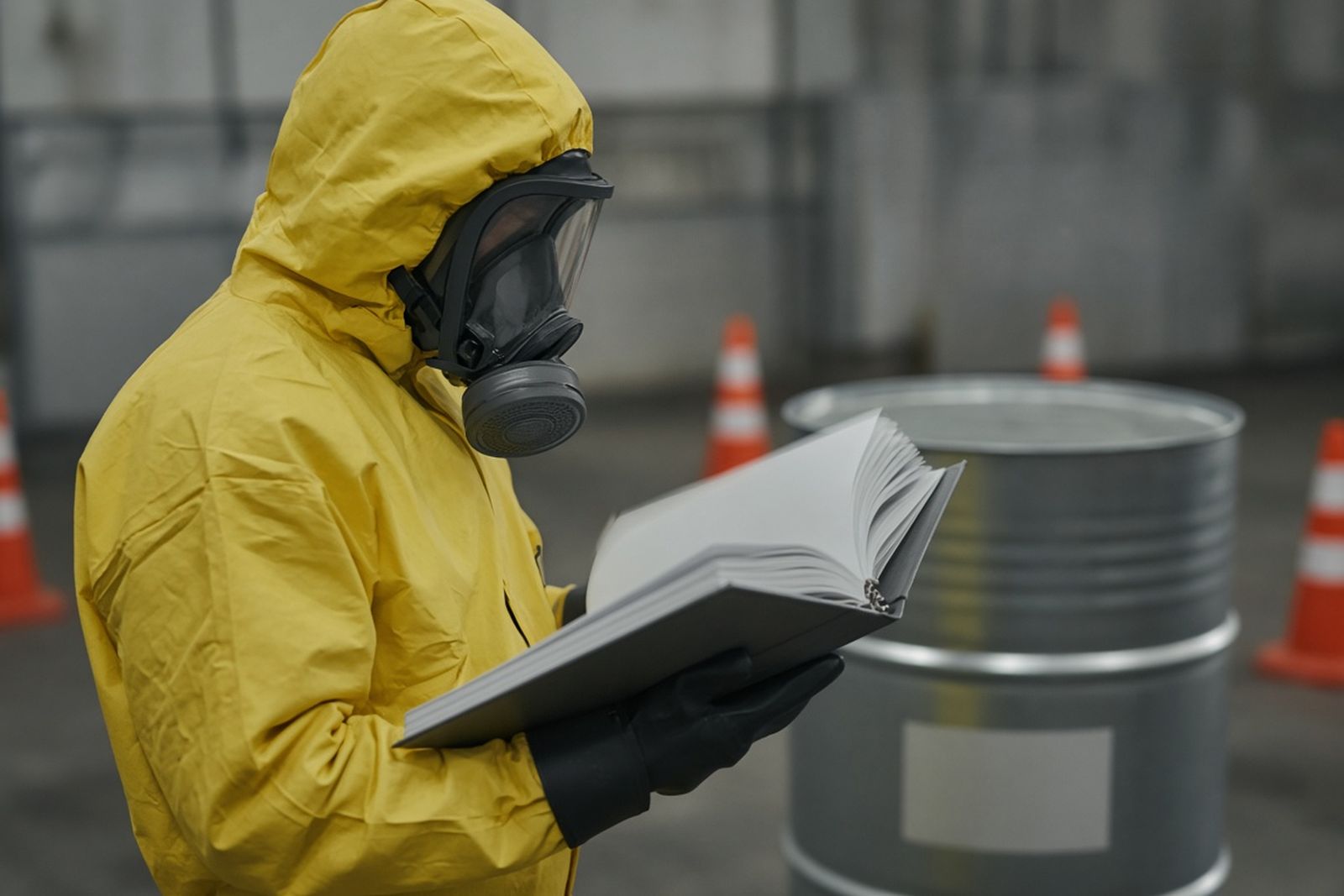
DIY vs Professional Hazmat Spill Response: The Critical Differences
A quart of motor oil on a garage floor is not a hazmat incident. A leaking solvent drum is. Learn where DIY spill cleanup ends and professional response begins.
DIY spill cleanup is reasonable only for small, known, low-hazard spills that you are trained and equipped to handle, such as a little motor oil on sealed concrete. Call professionals when you do not know what spilled, when the material is toxic, flammable, corrosive, or reactive, when vapors are present, when anyone feels ill, or when a spill reaches drains, soil, or water. Reporting duties may also apply.
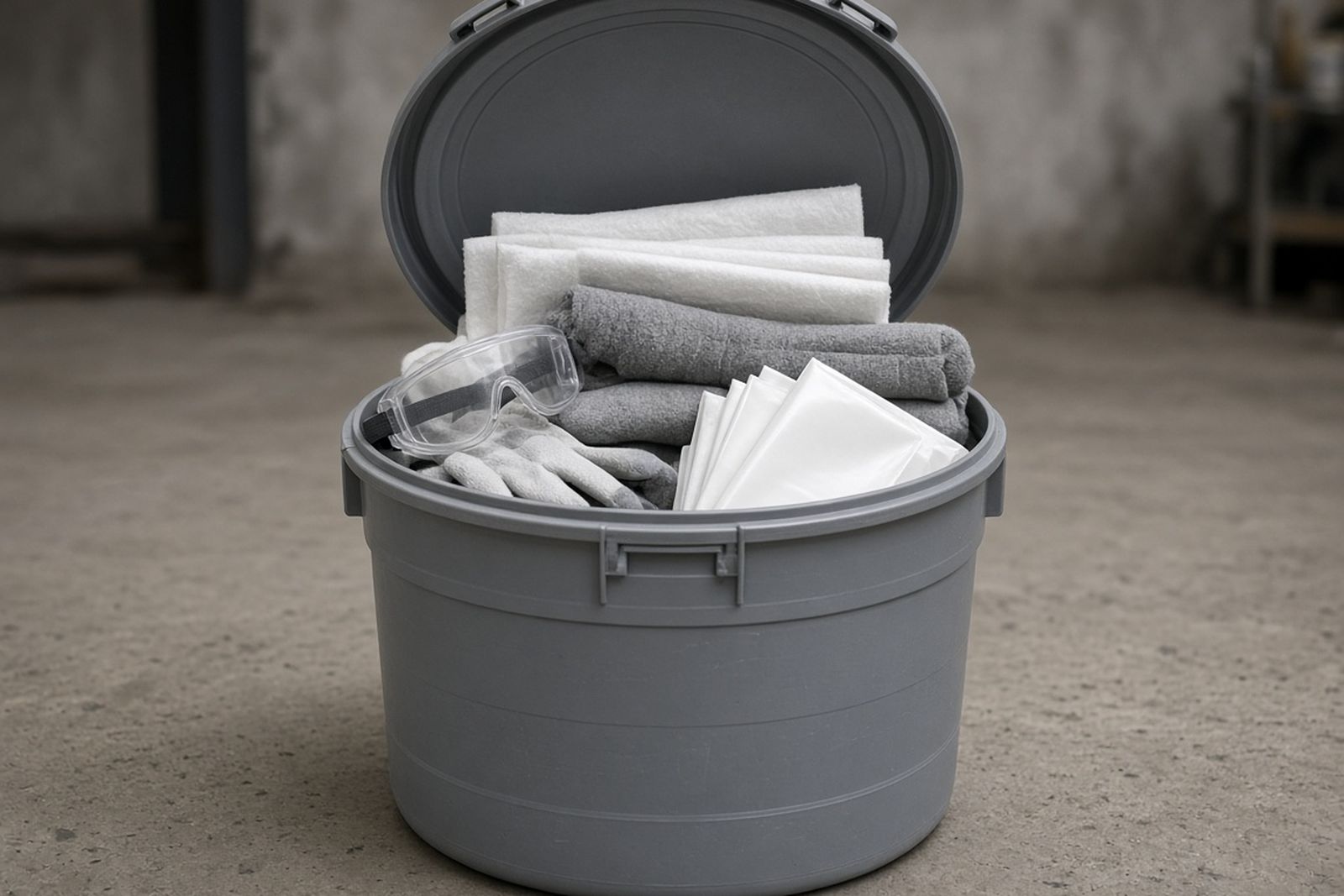
10 Hazmat Spill Response Safety Risks to Assess Before Work Begins
Unknown chemicals, toxic vapors, fire, reactions, low oxygen, and runoff can turn a spill into an emergency. Review ten hazmat risks to assess before work.
Before anyone approaches a hazardous materials spill, assess ten risks: an unidentified substance, toxic vapors, fire or explosion, incompatible chemical reactions, oxygen-deficient or confined spaces, skin and eye contact, heat stress in protective gear, spread into drains, soil, or water, damaged or pressurized containers, and exposure of the public nearby. Evaluating each one sets isolation distances, protective equipment, and the order of the response.
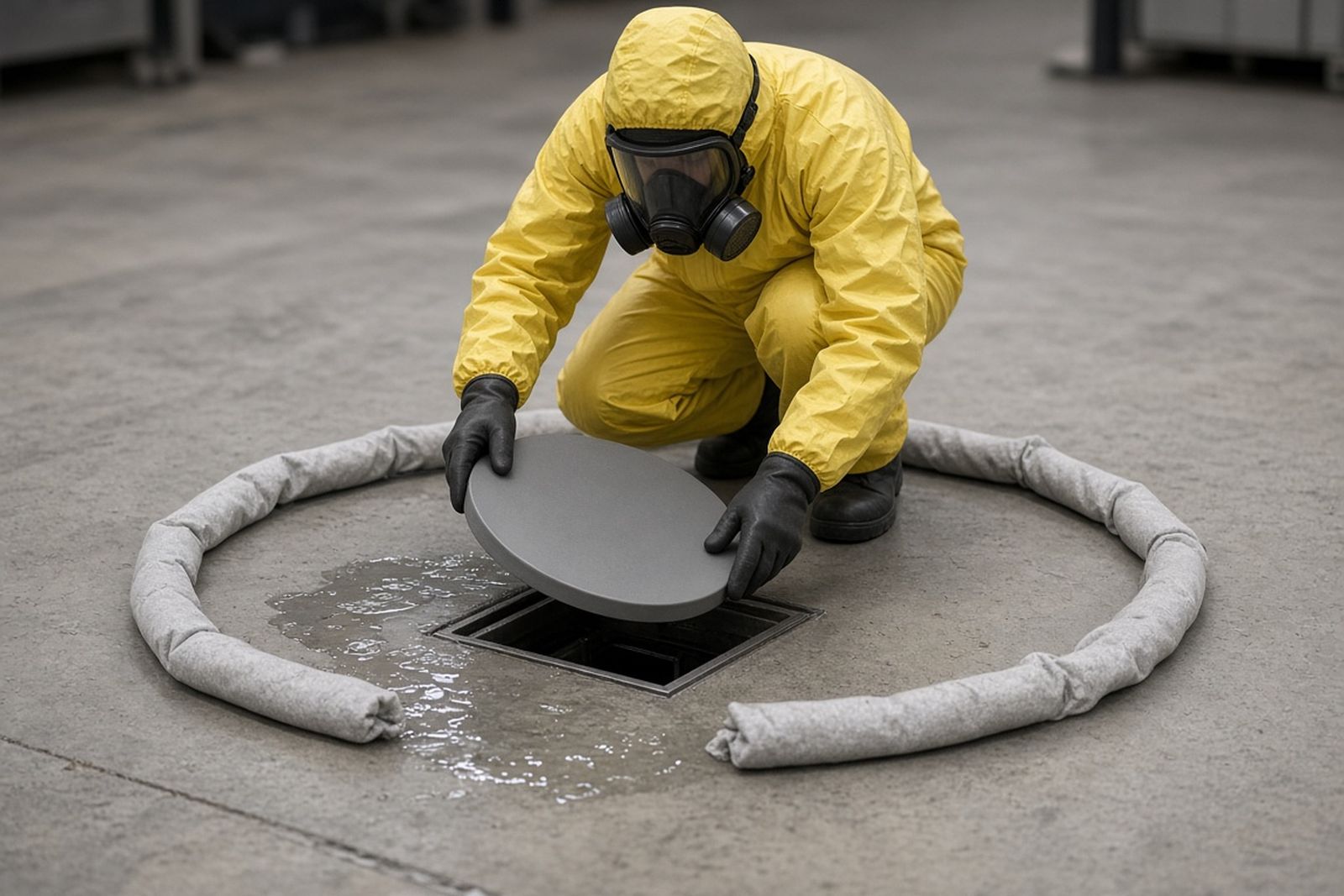
PPE Planning for Hazmat Spill Response: Start With the Hazard Assessment
Protection Levels A through D, glove permeation data, and respirator limits all depend on what spilled. See how crews turn a hazard assessment into PPE.
Hazmat spill PPE should be chosen only after assessing what spilled, its physical form, measured air concentrations, oxygen and flammability readings, and the task each responder will perform. That assessment points to a protection level from A to D, suit and glove materials rated against the specific chemical, and either air-purifying or supplied-air respiratory protection. Heat, mobility, and decontamination needs complete the plan.
Sourced figures on safety
- 11,740
Approximately 11,740 facilities hold current Risk Management Plans with EPA for handling extremely hazardous substances.
Read with care: Count fluctuates as facilities register or deregister.
Source: EPA (2024)United States, RMP-regulated facilities at time of 2024 rule
- 20 rail cars
In the February 2023 East Palestine, Ohio derailment, 20 of the affected rail cars contained hazardous materials.
Read with care: Single high-profile event; not representative of typical spills.
Source: EPA (2023)Norfolk Southern derailment, East Palestine, Ohio, Feb 3, 2023
- 21%
TRI chemical releases in 2023 were 21 percent lower than in 2014, with air emissions down 32 percent.
Read with care: Trend covers routine permitted releases as well as accidental ones.
Source: EPA (2023)United States TRI facilities, 2014-2023, excluding natural gas processing
These figures are public research and agency data, not this network's own job records. Keep each number with its population, year and limits; none of them predicts cost, timing or outcome at a specific property.
What research has found
Findings from published studies of people and properties in situations like this one. They describe what researchers observed in a specific group; they are not predictions for your case.
Greater perceived risk was associated with compliance.
Nearer-zone residents more often reported eye irritation, breathlessness and agitated behaviour attributed to exposure.
Safety: common questions
Is it safe for my staff to use the spill kit on any spill?
Spill kits are meant for small, known, everyday spills that trained workers can handle without an emergency response. If the product is unknown, vapors are strong, the amount is large, or anyone feels ill, staff should back away and call for help. Your written safety program should state which spills workers may deal with and with what gear.
Why should vehicles and equipment stay away from a fuel spill?
Engines, electric switches, and even static sparks can set fuel vapors on fire. Driving through a spill also spreads the product. It can carry it onto roads or into other buildings. Keep vehicles parked. If it is safe to leave electric equipment in the vapor area alone, do not run it. Let responders decide when the zone can reopen.
What protective equipment does a spill response require?
It depends on the product, its strength, and the expected exposure. That is why protective gear should follow a written hazard review. Chemical-resistant gloves, splash goggles, suits, and breathing protection are all options. But the wrong glove material can fail fast. Rely on the safety data sheet and your safety program, not on general-purpose gear.
Is it safe to keep working in an office next to the spill area?
That depends on whether vapors can reach the space through doors, the space above the ceiling, or shared air ducts. It also depends on what the tests show. Ask the contractor's supervisor or the fire department before letting people stay. If anyone notices an odor, headache, or irritation, move them out and report it. When in doubt, move people until readings show it is safe to stay.
Should pregnant employees stay away from a spill area?
It makes sense for anyone who is pregnant to avoid the spill area and any space with a noticeable odor until the area is cleared. They should talk with their healthcare provider about any possible exposure. Share the safety data sheet so the provider knows what product was involved. Offer a short-term change in duties or remote work where you can. Keep the conversation private.
Why should people avoid eating or drinking near a spill?
Residue can move from hands, gloves, or nearby surfaces onto food, drinks, and cigarettes. That creates a way for chemicals to be swallowed. Vapors can also settle on open food. Keep break areas well away from the spill and the cleaning zone. Make sure anyone who was near the area washes their hands and face before eating or smoking.
What should I do if a chemical splashes into someone's eyes?
Flush the eyes right away with clean, lukewarm water from an eyewash station or a gentle tap. Hold the eyelids open. Keep flushing while someone calls emergency services or poison control. Remove contact lenses if they come out easily. Follow the first aid section of the safety data sheet. Send the sheet along when the person gets medical care.
Related community polls
Every count is a real visitor vote; nothing is seeded or padded. One vote per poll per device, and you can change your answer.
How prepared is your site for a chemical or fuel spill right now?
In your most recent spill, what was the first action taken?
More on hazmat spill response
Hazmat Spill Response services
Learn how spill response works for chemicals, fuel, oil, and unknown products. It runs from closing off the area and reading the SDS to waste disposal and reopening.
Costs explained
What drives the price, published cost ranges, and how to read a written quote line by line.
Insurance and payment
Which policies may respond, how to document a claim, and what to do if coverage is denied.
Planning tools
Hands-on planners help you order the first day, judge staff risk, check contractors, sort spill waste, and organize a claim.
Community polls
Compare your spill planning and response choices with facility, fleet, and property managers who faced similar spills and learned from them.
Knowledge quiz
Check what you know about spotting hazards, who is in charge, containment, cleanup, waste, and records with a short quiz for managers.
City guides
Find learning resources and spill response contractor listings for your state, county, and city. See which agencies handle spill reports there, too.