Free hazmat spill response tool
Hazmat Spill Response DIY or Call a Pro? Risk Check
Eight yes-or-no questions that produce a risk level and explain when professional help is the safer choice.
For a facility or fleet, the real question is this. Should your own staff, with their current training, gear, and written steps, try any part of a spill response? Or is it safer to clear the area, close it off, and wait for qualified responders? This risk check asks yes-or-no questions about that choice. Is the product known, with its SDS in hand? Are vapors or odors present? Can the material burn, eat away skin or metal, or react with other things? Is the spill spreading toward drains or soil? Is it more than your kit is built for? Do staff have recorded training for the task? Is the area enclosed or poorly aired? Is a battery or unknown involved? The result is a risk level with an explanation.
Trained staff may handle a small, known, low-hazard spill. They should use a kit matched to the product and follow a written procedure. The area should have good airflow and no drain nearby. Staff should not walk into vapor or handle unknowns. They should not neutralize acids or caustics or deal with damaged batteries. They should not work in enclosed spaces or chase a spill that has reached soil or a drain. The check draws that line from your answers. It explains which actions still make sense at each level. A high result is not a criticism of your team. It means the task has crossed into work that the HAZWOPER rule and common sense save for trained responders. Check your own program's limits with your safety expert and your state's job safety agency.
How to use it
- 1Answer each yes-or-no question about the product, the conditions, the pathways, and your staff's training and equipment.
- 2Pay close attention to questions about vapors, unknowns, batteries, enclosed spaces, or drains. A yes to any of them raises the risk level sharply.
- 3Read the resulting risk level and the explanation of which actions remain appropriate for in-house staff.
- 4Use the explanation to decide your next step. Either go ahead with your kit under your written procedure, or close off the area and call a response contractor or emergency services.
Prefer to ask a person?
Your request is sent to the follow-up inbox. A coordinator can reply by email. Not for emergencies; call 911 first if anyone is in danger.
Check whether DIY is safe
Hazmat Spill Response: DIY or call a pro?
Eight yes-or-no questions. The result is an educational risk level, not a safety clearance.
1. Is there blood, body fluid, or anything that could carry a bloodborne pathogen?
2. Has the material soaked into carpet, padding, a mattress, drywall or a subfloor?
3. Is there a strong or lingering odor?
4. Could needles, broken glass, drug residue or unknown chemicals be present?
5. Does the affected area cover more than a small spot, or more than one room?
6. Will children, older adults, pregnant people or anyone immunocompromised use the space afterward?
7. Do you need documentation for insurance, a landlord, a sale, or an estate?
8. Would you be doing this while grieving, exhausted or under time pressure?
8 questions left to answer.
A worked example
Think about a made-up repair supervisor at a factory. He finds that a small container of machine coolant has tipped over in a storeroom with good airflow. It left a puddle on a sealed epoxy floor. There are no drains nearby and no clear odor. He runs the risk check. The product is known, and the SDS is on the shelf. It will not burn or react. The amount is within what the storeroom kit was built for. His crew finished recorded training on the site's spill procedure. The area is open and well aired. The tool returns a low risk level. It confirms the crew can go ahead under the written procedure. They should wear the gloves and goggles the SDS calls for and collect the absorbent in a labeled container. A week later, a different call comes in. An unlabeled drum is leaking a dark liquid toward a gravel area, and a worker reports a sharp smell. The supervisor runs the check again. Now the product is unknown and there is an odor. It may reach soil, and the amount is unclear. The tool returns a high risk level. It explains that naming and containing the product is a job for trained responders. The right steps are to keep everyone away and stop vehicle traffic nearby. He should call the response contractor and, because of the odor, emergency services.
Numbers behind diy risk check decisions
- 34
Hazmat transportation fatalities fell from 60 in 2011-2015 to 34 in 2016-2020, almost all of them on highways.
Read with care: Five-year totals, not annual figures.
Source: PHMSA Incident Statistics Portal (via ICC Compliance Center) (2021)United States, all modes, 2011-2020
- 52
Over ten years, 52 people died and 160 were injured in hazmat incidents involving tractor-trailers in transit, with human error behind 18 percent of incidents.
Read with care: Counts depend on carrier self-reporting.
Source: PHMSA data (via CBS News) (2023)United States, PHMSA in-transit truck incidents, ten years
- 46
The Chemical Safety Board received 46 accidental release reports in the three months ending November 2025, the first time its three-month average exceeded 14 events per month.
Read with care: Short window; CSB attributes part of the rise to better compliance.
Source: U.S. Chemical Safety Board (via Safety+Health) (2025)United States, CSB-reportable releases, Sept-Nov 2025
- 1,500 per year
About 1,500 transportation incidents involving undeclared hazardous materials occur each year, totaling 11,430 over the decade to 2023.
Read with care: Training-company summary of a PHMSA infographic; aerosols, lithium batteries and paint dominate.
Source: PHMSA data (via Lion Technology) (2023)United States, PHMSA incident reports, 2013-2023
These figures are public research and agency data, not this network's own job records. Keep each number with its population, year and limits; none of them predicts cost, timing or outcome at a specific property.
DIY or Call a Pro? Risk Check questions for hazmat spill response
What kinds of spills are appropriate for in-house staff?
Small spills of known, low-hazard products in areas with good airflow and no drain or soil nearby. Staff must have recorded training and a written procedure. They need a kit matched to the product and the protective gear the SDS calls for. Anything outside that description should be closed off and handed to qualified responders. Everything else waits for them.
Does using a spill kit require HAZWOPER training?
It depends on what staff are expected to do and how your emergency plan defines their role. Workers who only leave the area and call for help are treated differently from those who contain or clean up a spill. Review the rules in 29 CFR 1910.120 with your safety expert. Confirm with your state's job safety agency.
Why is odor treated as a high-risk signal?
An odor means vapors are in the air you breathe. You cannot tell what they are or how strong they are by smell. Some harmful vapors have no odor, while some harmless ones smell sharp. Because staff cannot judge the exposure, the check treats odor as a reason to leave. Let responders with testing gear check it.
Can staff move a leaking drum or a damaged battery to a safer spot?
No. Moving a leaking container can speed up the leak, expose the person moving it, and spread the spill. A damaged battery may be unstable and could shock someone or overheat. The right step is to keep people away and keep sparks and traffic away. Let trained responders seal the item in a larger container or make it stable. Distance is the safest tool staff have.
What should staff do while waiting for responders?
Keep the area clear and control who comes in. Shut off nearby things that could spark, if you can do it without entering the hazard. Get the SDS and the site drain map ready for responders. Start the incident log with the time you found the spill and what you saw. These steps are useful and carry little risk when done from a safe distance.
Some questions mention blood or needles. How do they apply to a chemical spill?
The check covers several kinds of cleanup, so answer no to questions that do not fit your case. For a spill, the questions about unknown chemicals, strong odor, material soaked into porous surfaces, and a large affected area matter most. Some spill warning signs are not in the check at all. Examples are product reaching a drain or a fire risk. Any of those means you should call for help, whatever the score says.
Does a lower-risk result mean my staff can clean up the spill?
Not on its own. A lower result says the situation looks small and contained. But staff should clean up only when the product is known and your written procedure allows it. They must also be trained for it and have the right kit and protective gear on hand. If any of those is missing, treat the spill as a job for outside responders.
Related community polls
Every count is a real visitor vote; nothing is seeded or padded. One vote per poll per device, and you can change your answer.
How prepared is your site for a chemical or fuel spill right now?
In your most recent spill, what was the first action taken?
Other hazmat spill response tools
Cost Range Estimator
Set the affected area, surface types, severity and extras to see an educational cost range and the factors that move it.
OpenProvider Vetting Checklist
Fifteen questions to ask any remediation provider, a readiness score, and a copyable list of what is still unanswered.
OpenInsurance Claim Organizer
A guided checklist from finding the policy to tracking the carrier decision, with a printable summary of where the claim stands.
OpenFirst 24 Hours Planner
Tell the planner a few facts about the situation and get an ordered list of who to call, what not to touch, and what to photograph.
OpenWaste & Disposal Classifier
Five questions about the material point to the likely waste category and which authority to confirm the rules with.
OpenMore on hazmat spill response
Hazmat Spill Response services
Learn how spill response works for chemicals, fuel, oil, and unknown products. It runs from closing off the area and reading the SDS to waste disposal and reopening.
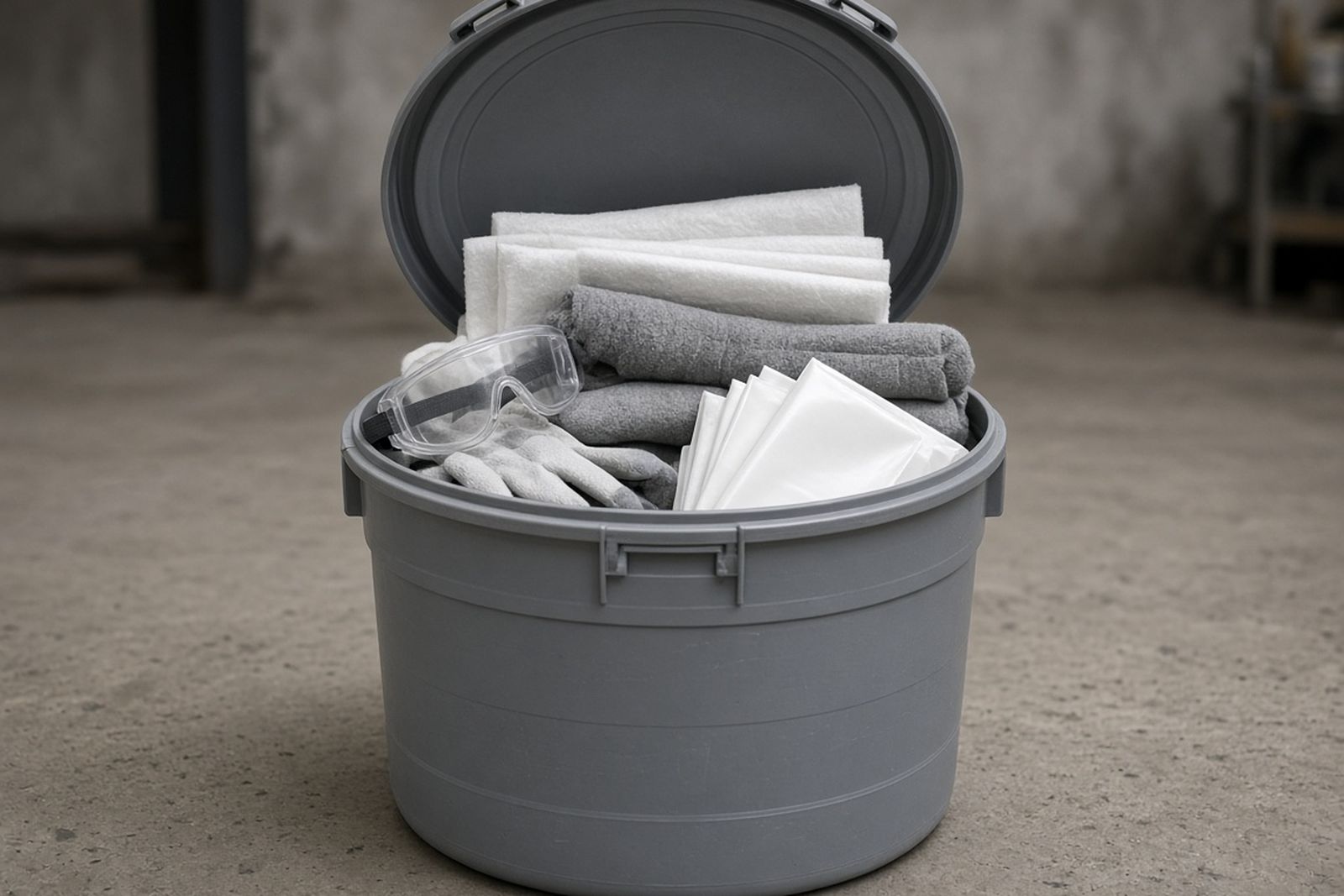
Costs explained
What drives the price, published cost ranges, and how to read a written quote line by line.
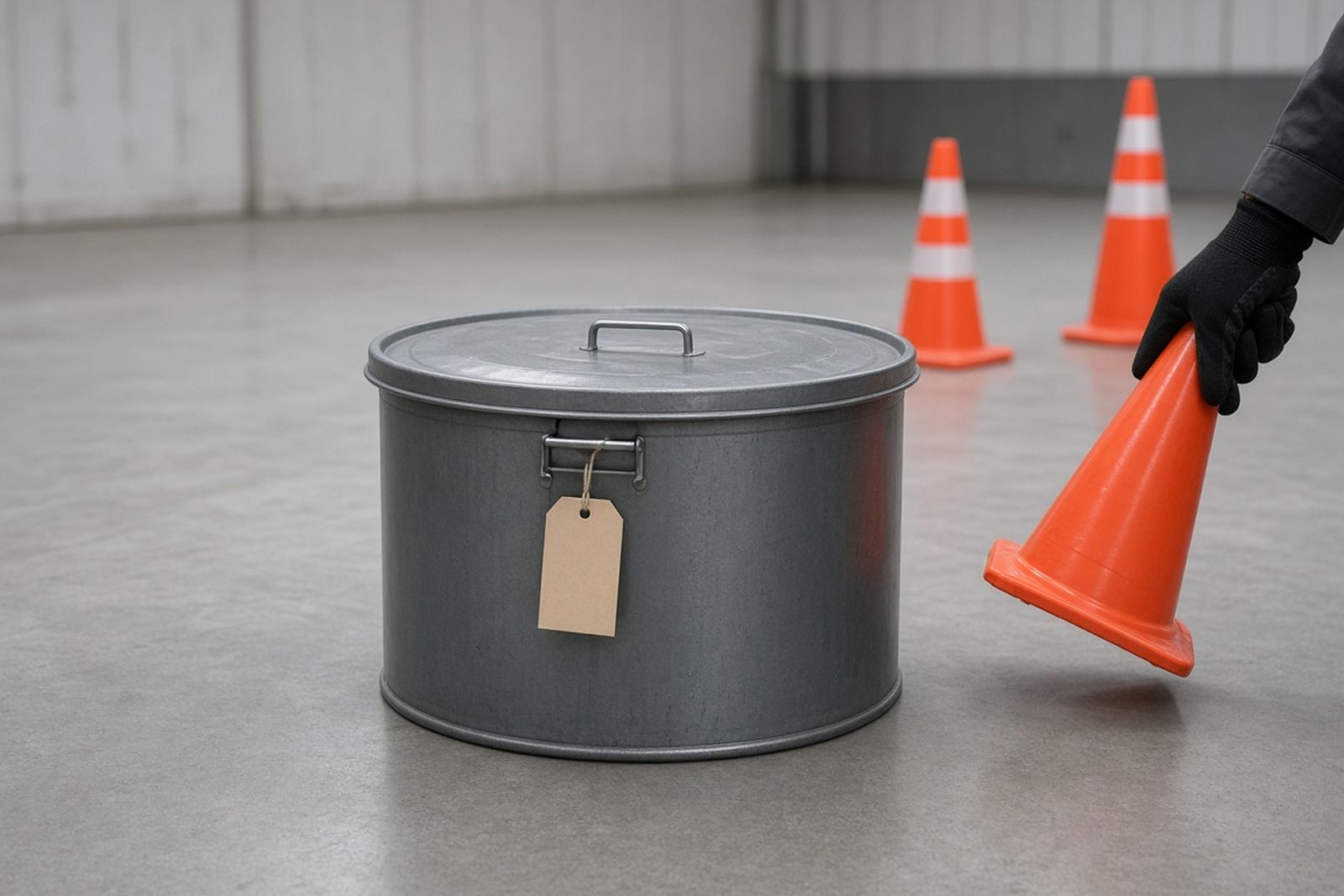
Insurance and payment
Which policies may respond, how to document a claim, and what to do if coverage is denied.
Community polls
Compare your spill planning and response choices with facility, fleet, and property managers who faced similar spills and learned from them.
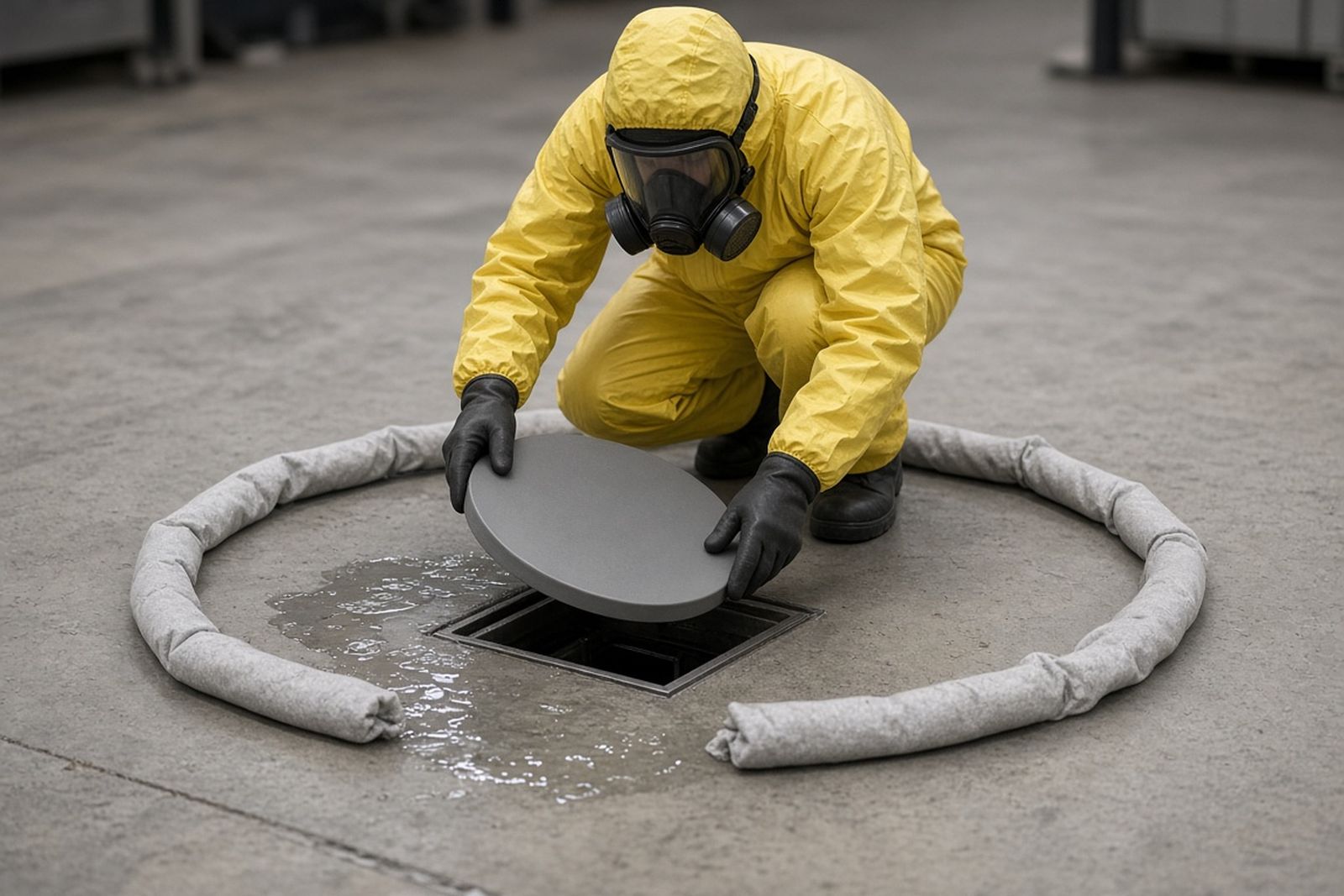
Knowledge quiz
Check what you know about spotting hazards, who is in charge, containment, cleanup, waste, and records with a short quiz for managers.
Articles and resources
Useful articles on spill kits, guarding storm drains, battery spills, and who must report. Learn to build a spill file that holds up when an insurer or agency checks it.
City guides
Find learning resources and spill response contractor listings for your state, county, and city. See which agencies handle spill reports there, too.