Free hazmat spill response tool
Hazmat Spill Response Provider Vetting Checklist
Fifteen questions to ask any remediation provider, a readiness score, and a copyable list of what is still unanswered.
A spill contractor shows up when you are least able to judge them. So this checklist works best before an incident, to set up a standing agreement. During an incident, it helps you make sure the crew in front of you is qualified. The questions cover training under the HAZWOPER rule and whether a named supervisor will be on site. They ask whether the crew can identify unknowns and pick safe methods. They ask how waste is tested and tracked with waste shipping records, and which disposal sites are used. They ask what insurance the company carries and how air or wipe tests support the choice to reopen. They also ask what records you will get. As you confirm each answer with documents, not promises, the tool builds a readiness score. It also lists the questions still open.
The score shows how much you have checked, not how good the contractor is. A company you have not asked yet will score low no matter how skilled it is. Treat the open-questions list as your follow-up plan. If a company dodges questions about training records, insurance papers, or where waste goes, treat that as a warning. Rules for contractor licenses and hazardous waste hauling vary by state and county. So confirm registrations with your state environmental agency. Ask your insurer or broker if the contractor's coverage meets your needs. No checklist can vouch for a company. It can only make sure you asked the right questions and wrote down the answers. Keep the finished checklist with the contract so you can look at it again when the deal comes up for renewal.
How to use it
- 1Ask each question and ask for the proof, such as training papers, a written health and safety program, or a certificate of insurance.
- 2Mark an item confirmed only when you have seen the evidence, not when you have heard a confident answer.
- 3Check the readiness score to see how much of the contractor's skills and papers you have really checked.
- 4Copy the open questions into a follow-up email. Confirm registrations and permits with your state agency before you sign.
Prefer to ask a person?
Your request is sent to the follow-up inbox. A coordinator can reply by email. Not for emergencies; call 911 first if anyone is in danger.
Vet a provider before you sign
Hazmat Spill Response provider vetting checklist
Start with the questions specific to this kind of job. Tick each one once the provider has answered it in writing or shown you the document. Your progress stays on this device only.
Readiness: 0 of 21 confirmed (0%)
21 questions still need a written answer. Copy the list and send it to the provider before you sign anything.
A worked example
Picture a made-up regional fleet company with several repair yards. It wants a standing spill response deal before the next fuel or battery incident. The safety manager interviews three contractors using the checklist. The first sends a full package. It has HAZWOPER training lists for its crew and a written program naming its site supervisors. It has a certificate of insurance with pollution coverage and sample waste shipping records. It names the disposal sites it uses for fuel-soaked pads and for lithium battery debris. It also has a sample final report. Nearly every item is confirmed after one exchange. The second contractor is a general restoration company. It says it handles anything and offers a low hourly rate. But it cannot show HAZWOPER records, says disposal means taking material to its warehouse, and cannot do any testing. Most items stay open, and the manager sets it aside. The third contractor is strong on chemical spills but has no lithium battery experience. The manager notes that as an open question, not a reason to rule it out. She confirms the first contractor's hazardous waste hauler registration with the state agency. She asks her broker to review its insurance certificate. The final deal names the first contractor as the main choice. It records the third one's battery gap as a reason to keep looking for a specialist.
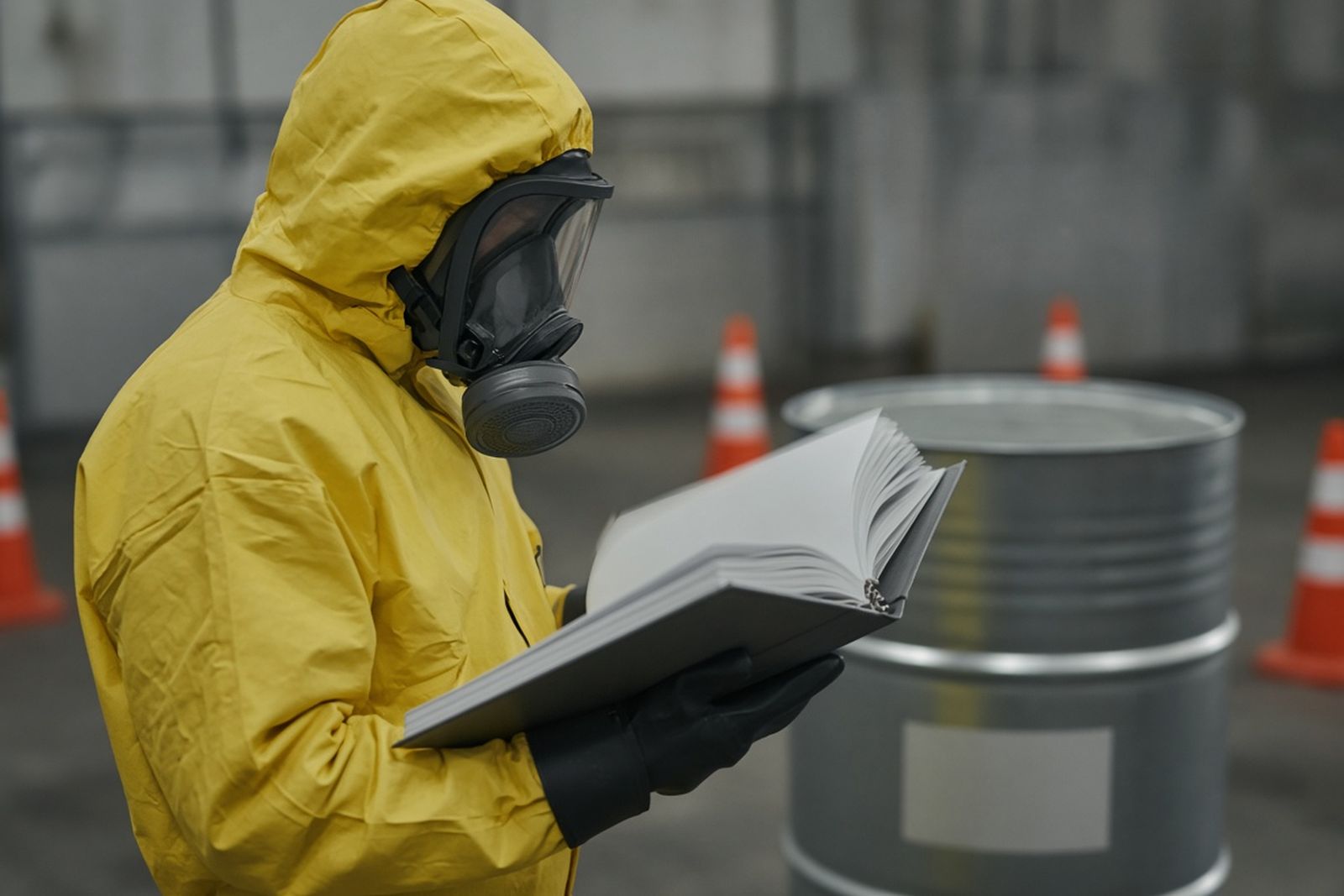
Numbers behind vetting checklist decisions
- 54%
54% of respondents expressing a view considered environmental regulation insufficient.
Read with care: Self-reported behaviour; event-specific communications.
Source: Savoia et al. (2015)690 West Virginia adults surveyed online in February 2014, including affected and unaffected areas.
- 97.9%
97.9% in the nearer zone recalled mercaptan odor versus 77.6% in the farther zone.
Read with care: Reported symptoms and odor; not measured individual exposure doses.
Source: Behbod et al. (2014)204 household representatives surveyed in two distance zones, September 2012.
- 2.43 million
Janitors and building cleaners held about 2,432,600 jobs in the United States in 2025, with a median pay of $36,840 per year.
Read with care: Occupation-level count covers general cleaning, not specialized biohazard or remediation technicians.
Source: BLS (2025)United States, all employment settings, 2025 estimate
- 40 hours + 8 hours/year
OSHA's HAZWOPER rule requires general site workers to complete 40 hours of off-site instruction plus three days of supervised field experience, with 8 hours of annual refresher training.
Read with care: Not every biohazard cleanup legally falls under HAZWOPER; meth lab chemical work often does.
Source: OSHA (1990)US hazardous waste site workers
These figures are public research and agency data, not this network's own job records. Keep each number with its population, year and limits; none of them predicts cost, timing or outcome at a specific property.
Provider Vetting Checklist questions for hazmat spill response
What training documents should I ask to see?
Ask for current HAZWOPER training records at the right level for each role. Ask for proof of the yearly refresher course. Ask for proof of supervisor-level training for whoever will lead the response. Ask how they handle worker medical checks and respirator fit tests. A contractor working under 29 CFR 1910.120 should show these without delay. Missing records are a serious warning sign.
Why does the checklist ask how unknowns are handled?
Many spills involve unlabeled containers or mixed products. The safe approach is to test in the field and, when needed, send samples to a lab before choosing any cleanup chemicals. A contractor that talks about neutralizing or soaking up first and identifying later is cutting a corner. That shortcut can cause fires, toxic gases, or dangerous reactions. Ask how they test in the field.
What insurance matters for a spill contractor?
Contractor pollution coverage is the key policy. It should come with general liability, auto liability, and workers' comp. Ask for a certificate that names your company, and check the limits with your broker. If the contractor also hauls waste, make sure its auto policy covers hazardous materials on the road. Policies with low limits may leave you at risk after a large spill.
How do I verify the disposal facilities a contractor names?
Ask for the site names and permit numbers for each type of waste. Then ask your state environmental agency whether those sites are allowed to accept those wastes. The waste shipping records returned after disposal should match those names. Vague mentions of a partner or a transfer station call for more questions. Keep the returned shipping records with the contract.
Should I sign a standing agreement before any incident?
Working out a deal ahead of time lets you check skills calmly. You can agree on rates and on the records you will get. You can also share site facts, such as your SDS library and drain maps, in advance. It does not lock in a set response time or promise the crew will be free. Review it from time to time as your materials and work change.
Why do the spill-specific questions appear before the general ones?
The questions at the top of the checklist cover things only a spill contractor can answer. Examples include how it identifies unknowns, checks drains and soil, keeps waste types apart, and records test results. The general questions below them apply to many cleanup trades. Start with the spill group. Weak answers there usually rule a contractor out before the broader questions matter.
How should I use the list of open questions the checklist lets me copy?
Copy the open questions into an email to each contractor you are considering and ask for written answers or the matching documents. Tick a question only once you have that written answer, not a verbal promise. Keep the replies with your emergency plan. Comparing written answers side by side makes differences between contractors much easier to see.
Related community polls
Every count is a real visitor vote; nothing is seeded or padded. One vote per poll per device, and you can change your answer.
How prepared is your site for a chemical or fuel spill right now?
In your most recent spill, what was the first action taken?
Other hazmat spill response tools
Cost Range Estimator
Set the affected area, surface types, severity and extras to see an educational cost range and the factors that move it.
OpenInsurance Claim Organizer
A guided checklist from finding the policy to tracking the carrier decision, with a printable summary of where the claim stands.
OpenFirst 24 Hours Planner
Tell the planner a few facts about the situation and get an ordered list of who to call, what not to touch, and what to photograph.
OpenWaste & Disposal Classifier
Five questions about the material point to the likely waste category and which authority to confirm the rules with.
OpenDIY or Call a Pro? Risk Check
Eight yes-or-no questions that produce a risk level and explain when professional help is the safer choice.
OpenMore on hazmat spill response
Hazmat Spill Response services
Learn how spill response works for chemicals, fuel, oil, and unknown products. It runs from closing off the area and reading the SDS to waste disposal and reopening.
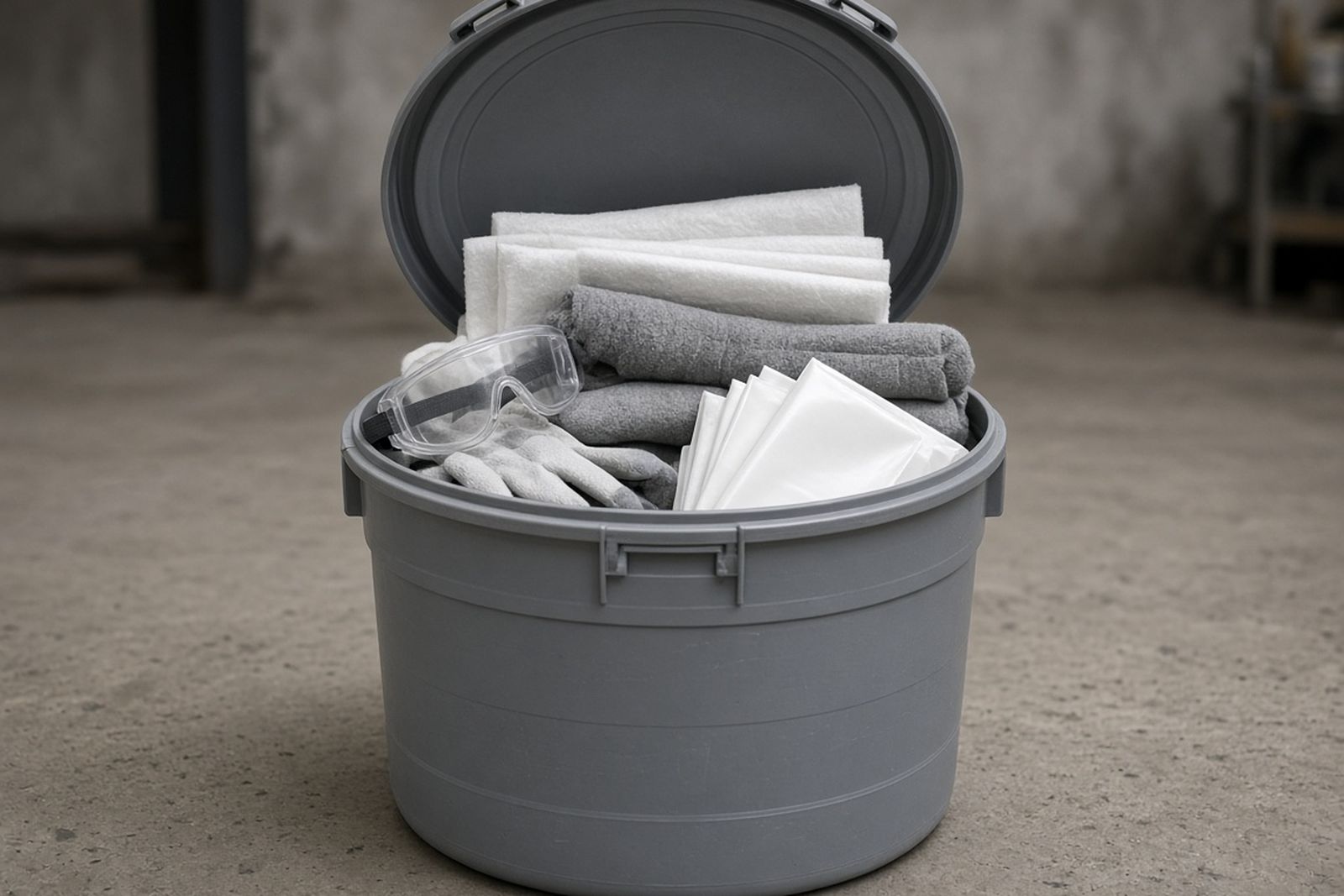
Costs explained
What drives the price, published cost ranges, and how to read a written quote line by line.
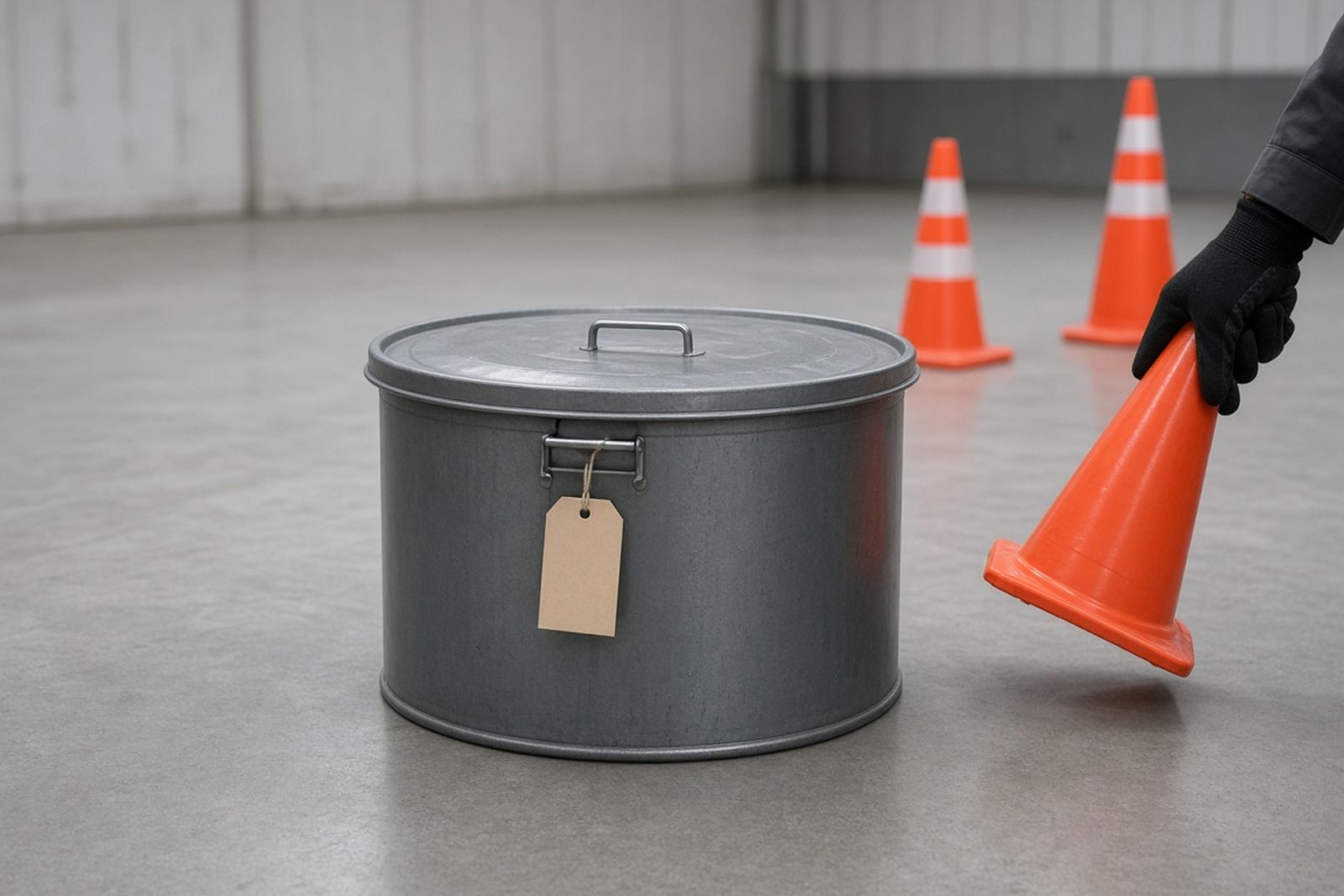
Insurance and payment
Which policies may respond, how to document a claim, and what to do if coverage is denied.
Community polls
Compare your spill planning and response choices with facility, fleet, and property managers who faced similar spills and learned from them.
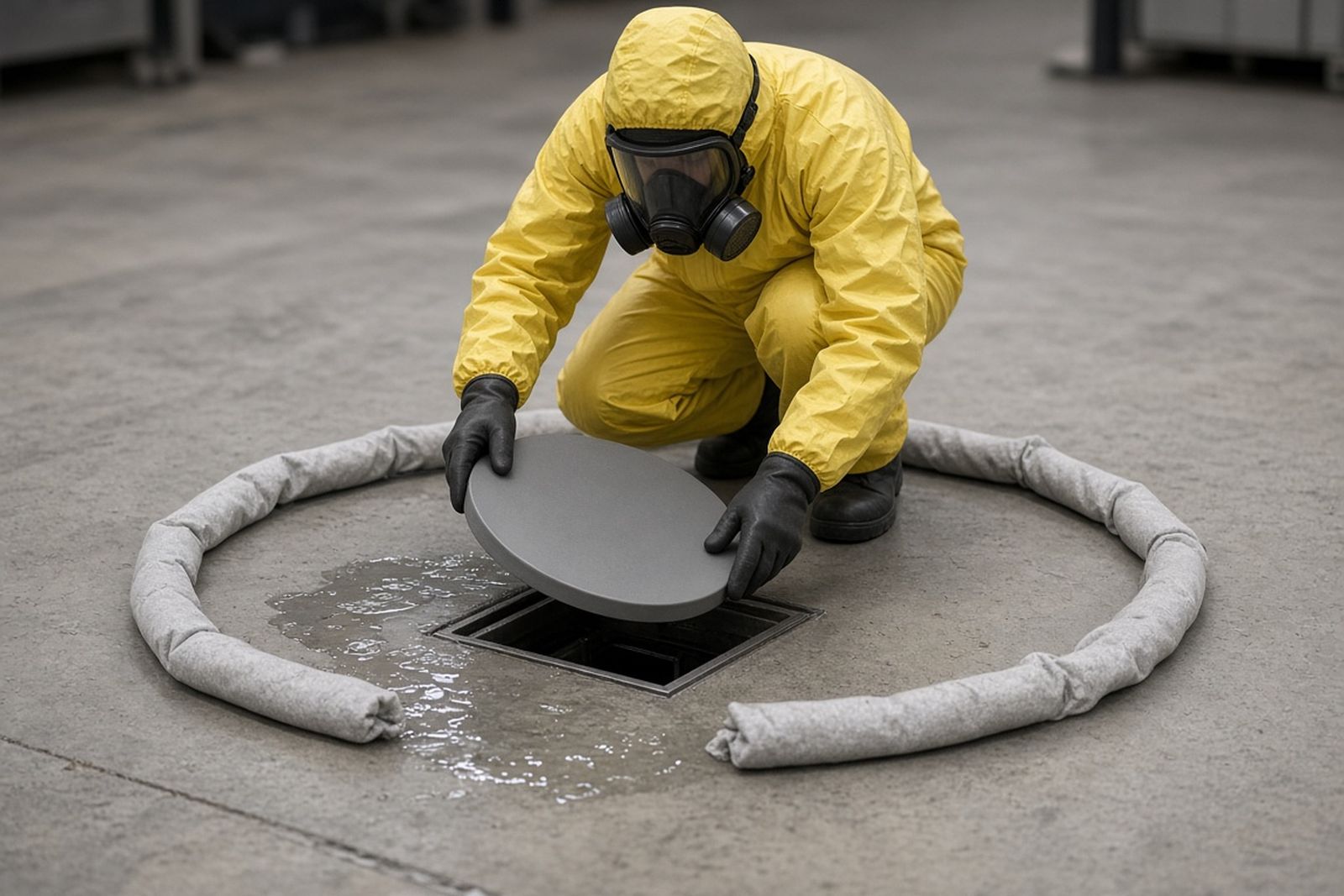
Knowledge quiz
Check what you know about spotting hazards, who is in charge, containment, cleanup, waste, and records with a short quiz for managers.
Articles and resources
Useful articles on spill kits, guarding storm drains, battery spills, and who must report. Learn to build a spill file that holds up when an insurer or agency checks it.
City guides
Find learning resources and spill response contractor listings for your state, county, and city. See which agencies handle spill reports there, too.