Hazmat Spill Response: Education
Science and technology used in some hazmat spill response scopes, with explicit limits for ATP, disinfectants, enzymes, fogging, air equipment, and moisture tools.
The education category explains the science behind spill response in words a facility manager can use. Articles cover why some liquids float while others sink or mix into water. They explain how the weight of a vapor decides whether fumes pool in pits or rise toward ceilings. They explain why neutralizing a product before you know what it is can cause heat, gas, or spattering. You will also find posts on judging the equipment and tools a contractor offers. Others cover the difference between cleaning and fully decontaminating tools, and when surface testing helps or does not. Posts on enzyme and microbe products explain where those tools fit, such as some fuel and oil residues, and where they do not.
Get an email reply about hazmat spill response
Send a short message to the follow-up inbox. A coordinator can reply by email. This form does not send emergency help; call 911 first if anyone is in danger.
This background matters because choices made during a spill are only as good as the reasons behind them. When you know why a responder picks a certain absorbent or test method, you can ask sharper questions. You can spot a proposal that does not fit your materials. You can build training that sticks with workers. It also helps you explain choices to executives and insurers who were not there. A manager who knows why an unknown must be named before anyone touches it is much less likely to be talked into a shortcut. That manager is also better prepared to defend a careful response when someone questions the delay or the bill.
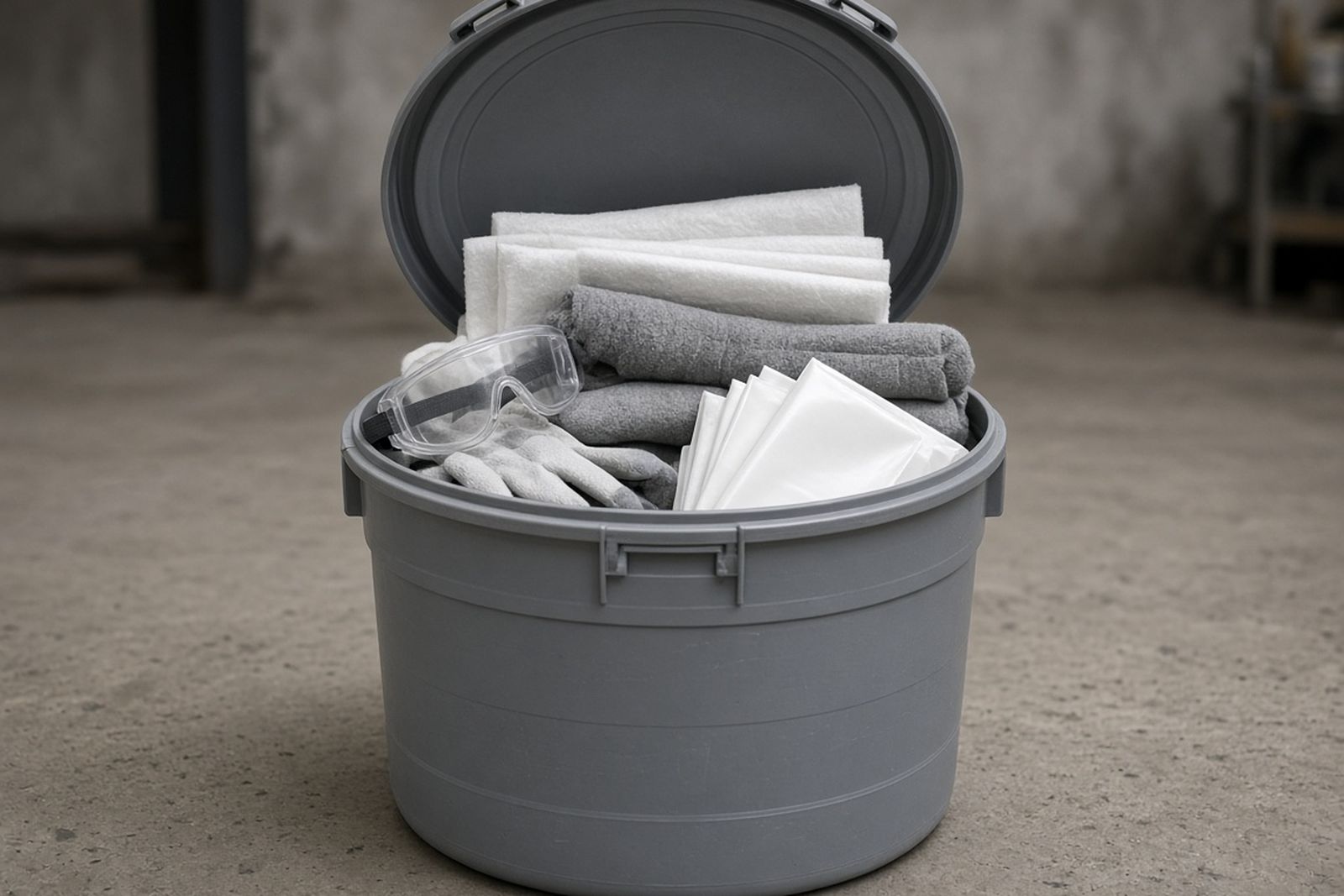
The Science Behind Hazmat Spill Response
How do responders decide whether to contain, neutralize, or evacuate? The chemistry of vapors, reactivity, and spread explains every step of a spill response.
Hazmat spill response is applied chemistry. Responders identify the substance, then use its properties, such as vapor pressure, vapor density, flammability, reactivity, and solubility, to decide how far to isolate the area, which protective gear to wear, how to contain the spread, and whether to absorb, neutralize, or recover the material. The science determines both the order of work and what is safe to attempt.
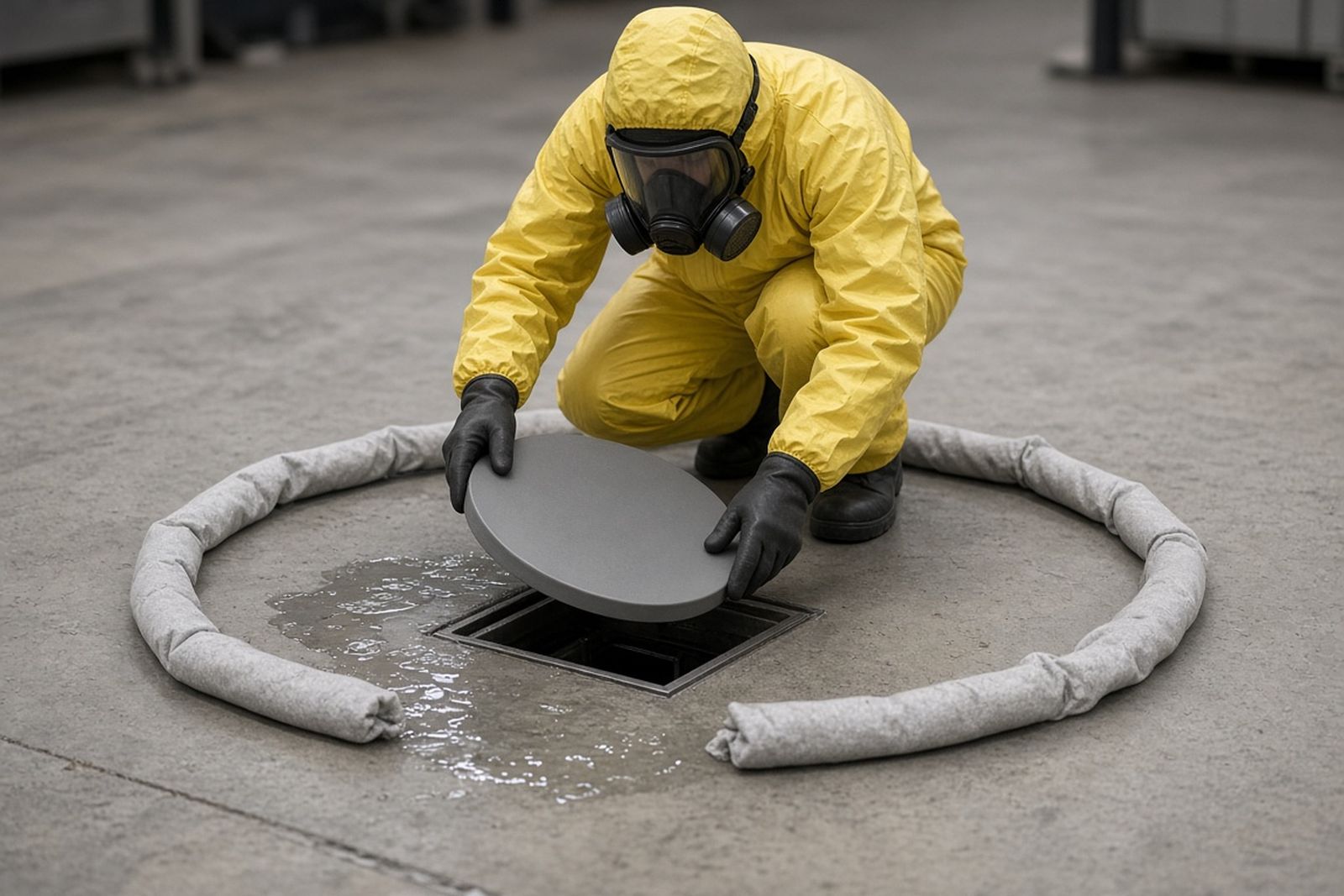
How to Evaluate Equipment Proposed for Hazmat Spill Response
Air monitors, chemical suits, respirators, booms, pumps, and drums all appear in hazmat spill proposals. Learn how to check that each item fits your chemicals.
Evaluate hazmat spill equipment by matching it to the specific chemicals, quantities, and locations involved. Look for calibrated air monitoring, protective suits and respirators rated for the substance, containment tools for drains and waterways, compatible absorbents or neutralizers, recovery pumps, decontamination supplies, and approved waste containers. Ask how the equipment is maintained and whether crews are trained to use it at the level the job requires.
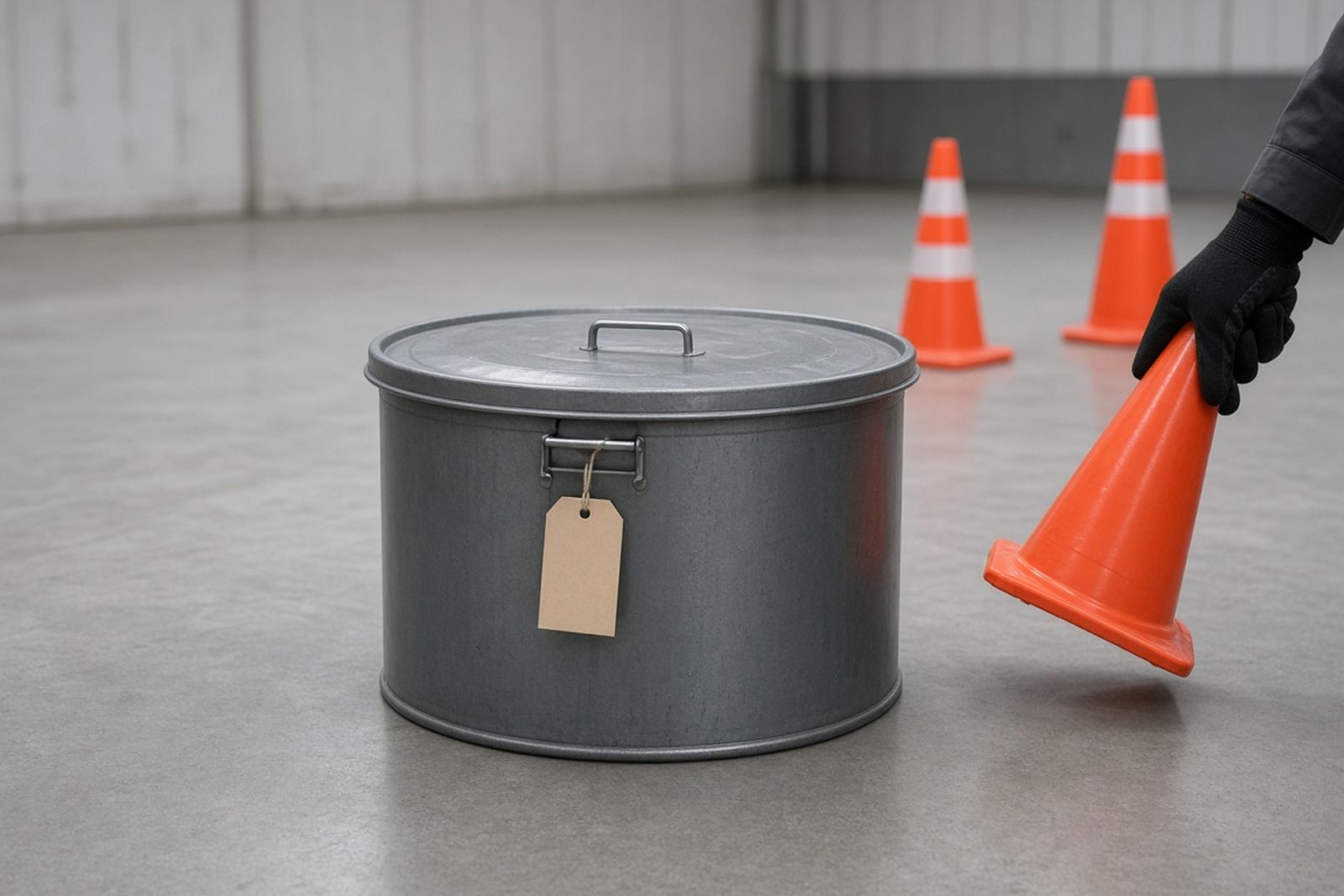
The Difference Between Cleaning and Disinfection in Hazmat Spill Response
Chemical spills need cleanup and decontamination, not disinfection, unless biological material is involved. Here is how the three approaches differ.
In hazmat spill response, cleaning means physically removing spilled chemicals and residue, often with absorbents, vacuums, and washing, while decontamination and neutralization reduce what remains to a safe level. Disinfection, which kills microorganisms, only matters when a spill involves biological material such as infectious waste or sewage. Using the wrong approach, like spraying disinfectant on a solvent, can waste time or create new hazards.
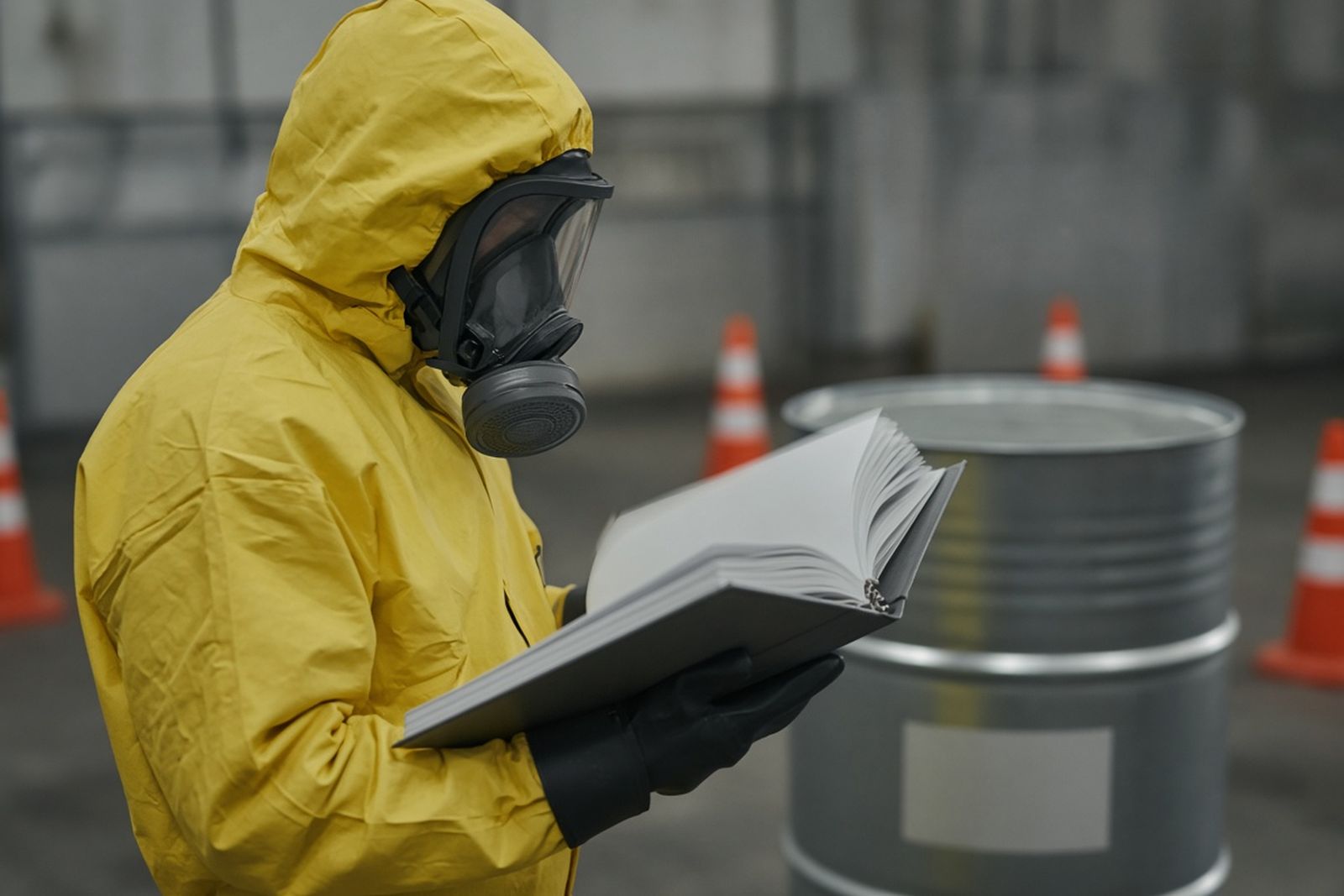
When ATP Testing Helps—and When It Does Not—in Hazmat Spill Response
ATP swabs detect biological residue, not solvents, acids, or fuel. Here is where they fit in chemical spill cleanup and where chemical sampling takes over.
ATP testing has a narrow role in hazmat spill response. It measures organic, biological residue, so it cannot confirm that a solvent, acid, caustic, fuel, or other chemical has been removed. It may help on mixed events where blood or other biological material was also released. Chemical clearance depends on methods matched to the specific substance, such as air monitoring, pH checks, or laboratory wipe samples.
How to Evaluate Technology Used in Hazmat Spill Response
Handheld chemical identifiers, gas meters, drones, and plume software all show up at spills. Here is how to tell whether a contractor's tools are used well.
Judge hazmat spill technology by what question it answers, how reliably it answers it, and who is operating it. Gas meters and photoionization detectors need calibration and trained interpretation. Handheld identifiers can suggest what a substance is but may struggle with mixtures. Drones and plume models support decisions but do not replace monitoring. Ask for calibration records, operator training, and how results changed the cleanup plan.
When Enzymes or Microbial Products Fit Hazmat Spill Response
Oil-eating microbes can help with some petroleum spills, but not acids, metals, or most solvents. Here is when bioremediation fits a spill and when it does not.
Microbial and enzyme products fit a narrow set of hazmat spills, mostly petroleum hydrocarbons such as fuel, motor oil, and hydraulic fluid, after free product has been recovered. They can help break down residual films on pavement or, under agency oversight, in soil. They do not work on acids, caustics, heavy metals, or many industrial chemicals, and they never replace containment, recovery, or proper disposal.
Sourced figures on education
- 21%
TRI chemical releases in 2023 were 21 percent lower than in 2014, with air emissions down 32 percent.
Read with care: Trend covers routine permitted releases as well as accidental ones.
Source: EPA (2023)United States TRI facilities, 2014-2023, excluding natural gas processing
- 20 rail cars
In the February 2023 East Palestine, Ohio derailment, 20 of the affected rail cars contained hazardous materials.
Read with care: Single high-profile event; not representative of typical spills.
Source: EPA (2023)Norfolk Southern derailment, East Palestine, Ohio, Feb 3, 2023
- 155%
Hazmat incidents involving big rigs rose 155 percent over ten years, and truck incidents outnumber train hazmat incidents 33 to 1, per PHMSA data.
Read with care: News analysis of PHMSA data; part of the rise reflects improved electronic reporting.
Source: PHMSA data (via CBS News) (2023)United States, PHMSA incident reports, roughly 2013-2023
These figures are public research and agency data, not this network's own job records. Keep each number with its population, year and limits; none of them predicts cost, timing or outcome at a specific property.
What research has found
Findings from published studies of people and properties in situations like this one. They describe what researchers observed in a specific group; they are not predictions for your case.
Helping with sandbags gave some residents a sense of control.
Nearly all households declined to resume normal water use after flushing because of safety concerns.
Education: common questions
Why can't I just neutralize an acid spill with baking soda?
Neutralizing can make heat, foam, and gas. It is only safe when you know the product and its strength. Some acids react violently or give off toxic vapors, and mixtures act in ways you cannot predict. The safety data sheet and trained responders decide if neutralizing fits. For unknowns or large spills, containment and professional cleanup are safer.
What is the difference between universal and oil-only absorbents?
Oil-only absorbents push away water and pick up fuel and oil. That makes them useful for fuel on wet pavement or on water. Universal absorbents soak up water-based liquids and many chemicals as well. Neither suits every chemical, since some harsh products break down common materials. Match absorbents to the products you store, and check the safety data sheet to be sure they are safe to use together.
Does a clean-looking floor mean the spill is gone?
Not always. Solvents and fuels can soak into concrete joints, cracks, and porous coatings. Then they give off vapors later. Residue you cannot see can still harm coatings, food areas, or delicate equipment. That is why contractors may use air tests or wipe samples to check conditions before reopening. It depends on the product and the standards your site sets.
What is the difference between a spill and a release?
People often use the words as if they mean the same thing. But a release usually means any escape of a substance into the environment. That includes vapors into the air, liquid into soil, or flow into water. A spill usually means liquid escaping onto a surface. Reporting rules often use the word release. So a vapor escape with no puddle you can see can still matter. Describe exactly what happened when you call.
What does a low flash point mean on a safety data sheet?
Flash point is the lowest temperature at which a liquid gives off enough vapor to catch fire near a spark or flame. A product with a low flash point can give off vapor that burns at normal room or outdoor temperatures. That is why keeping sparks and flames away matters so much with fuels and many solvents. Check this field when you plan storage and decide what equipment may run near a spill.
What is a hazmat placard, and what do its numbers tell responders?
A placard is the diamond-shaped sign on trucks, rail cars, and some containers that shows the hazard class of the material inside. Many placards also carry an identification number tied to specific materials. Responders use those markings with reference guides to choose first actions. If you see a placard at a spill, note it from a distance and share it with the dispatcher.
What does free product mean in a cleanup report?
Free product is spilled material that is still a separate liquid. Examples are pooled fuel on pavement, a layer floating on water, or liquid collected in a sump. It is different from material already soaked into soil or surfaces. Picking up free product is usually the first cleanup goal. It is the easiest to remove and the most likely to keep spreading.
Related community polls
Every count is a real visitor vote; nothing is seeded or padded. One vote per poll per device, and you can change your answer.
How prepared is your site for a chemical or fuel spill right now?
In your most recent spill, what was the first action taken?
More on hazmat spill response
Hazmat Spill Response services
Learn how spill response works for chemicals, fuel, oil, and unknown products. It runs from closing off the area and reading the SDS to waste disposal and reopening.
Costs explained
What drives the price, published cost ranges, and how to read a written quote line by line.
Insurance and payment
Which policies may respond, how to document a claim, and what to do if coverage is denied.
Planning tools
Hands-on planners help you order the first day, judge staff risk, check contractors, sort spill waste, and organize a claim.
Community polls
Compare your spill planning and response choices with facility, fleet, and property managers who faced similar spills and learned from them.
Knowledge quiz
Check what you know about spotting hazards, who is in charge, containment, cleanup, waste, and records with a short quiz for managers.
City guides
Find learning resources and spill response contractor listings for your state, county, and city. See which agencies handle spill reports there, too.