Short answer
Hazmat spill response ranges from a few hours for a small, well-identified spill on sealed pavement to weeks or months when material reaches soil, groundwater, or drains. The timeline covers identification and isolation, containment, cleanup, decontamination, confirmation testing, waste characterization and shipment, and regulatory reporting. Laboratory results and agency sign-off are often the slowest parts of the process.
Why some spills close in hours and others take months
The size of a spill is only one variable. What spilled, where it went, and what it touched matter just as much. A few gallons of motor oil on a sealed concrete floor is a very different problem from the same volume of solvent seeping into gravel near a storm drain.
Surface type drives much of the timeline. Sealed floors and intact pavement hold material on top, where it can be absorbed and cleaned. Soil, gravel, cracked concrete, and unlined ditches let material sink in, which may require excavation and sampling at depth.
Water changes everything. Once a chemical reaches a storm sewer, a creek, or groundwater, the response expands to include downstream monitoring and coordination with environmental agencies. Those efforts can stretch well beyond the day of the spill.
The type of chemical sets the pace as well. A mild, water-based product may need little more than absorbent and a rinse. A toxic, flammable, or reactive material forces responders to move slowly, monitor constantly, and wear heavier protection, all of which lengthen each step.
The first hours
The opening phase focuses on safety, not cleanup. Responders identify the substance, set up isolation zones, check air quality, and decide whether nearby people should evacuate or shelter in place. Until those steps are done, no one should enter the spill area to start cleaning.
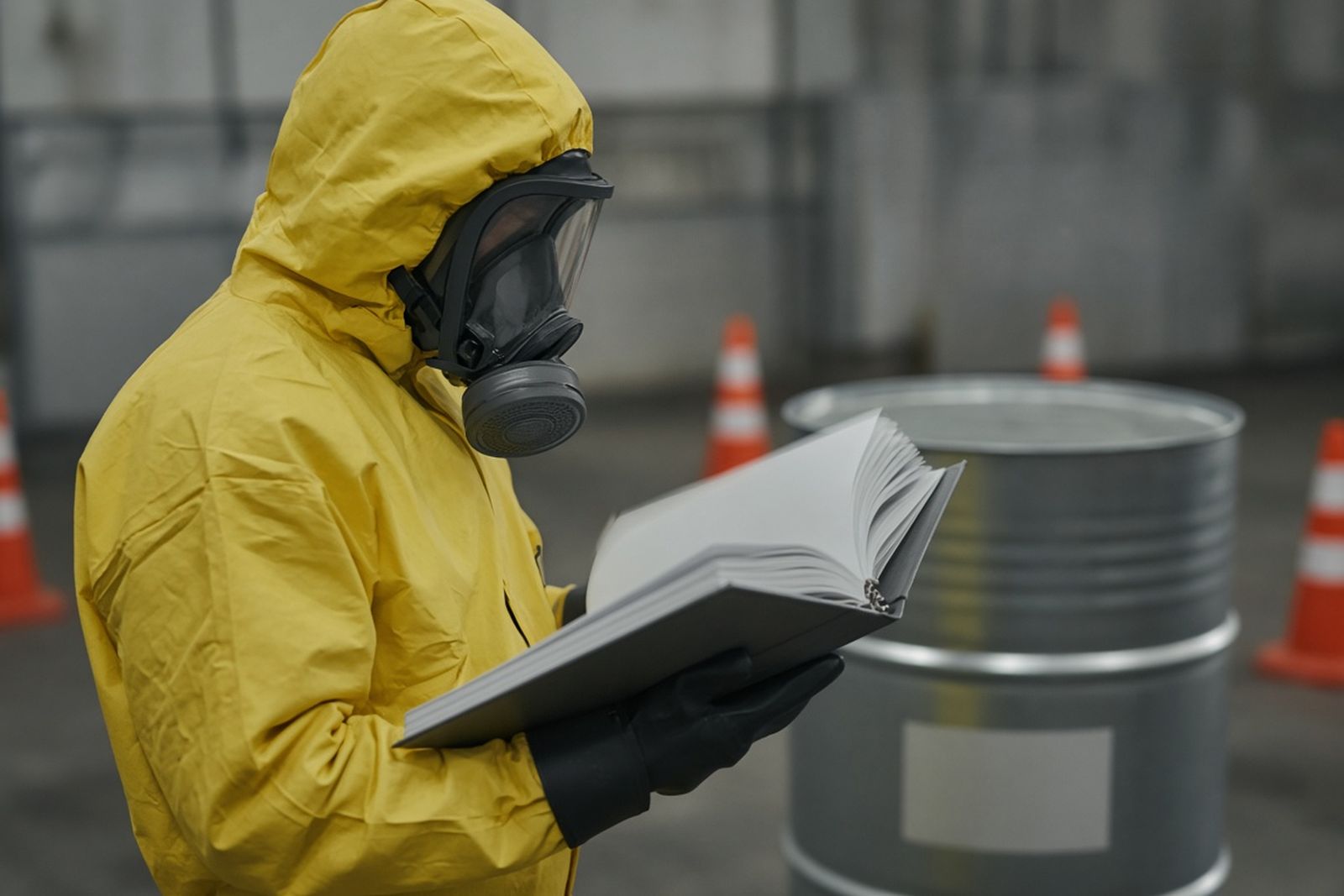
Identification can be quick when labels and safety data sheets are available. It can take much longer when containers are unmarked, damaged, or mixed. Air monitoring and field testing help narrow the options, but uncertainty slows every decision after that.
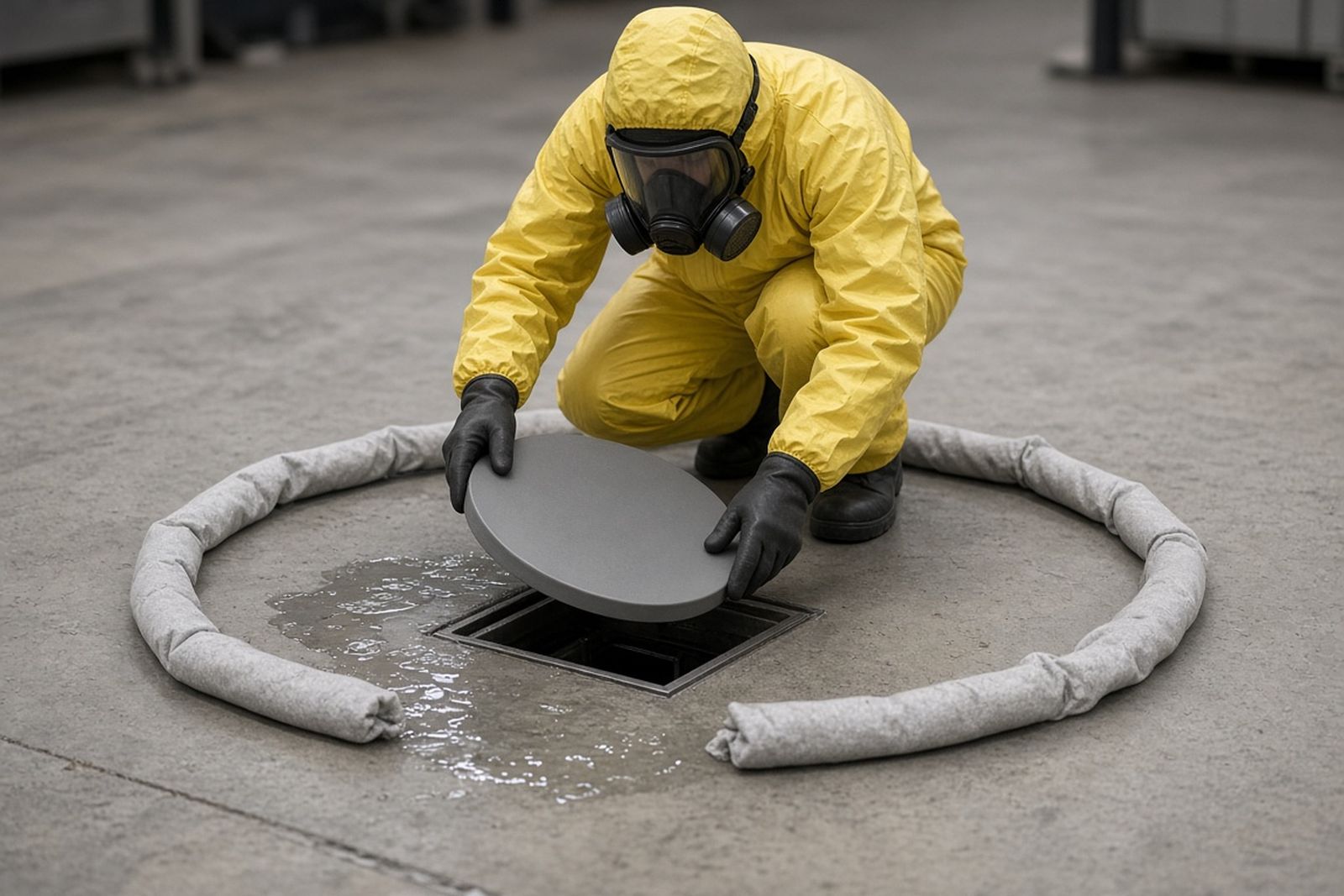
Stopping the source and preventing spread come next. Responders may plug a leak, upright a container, cover drains, and place berms or absorbent booms. A spill that is contained early generally closes faster than one that keeps moving.
If you are the person who discovered the spill, your part of this phase is short but important. Get people away, call for help, and share whatever you know about the product, the quantity, and where it seems to be flowing. Those details help responders make the first decisions faster.
How long does the actual cleanup take?
Small spills on hard surfaces may be absorbed, packaged, and cleaned within a single shift. Larger spills or spills of highly hazardous materials require slower, more deliberate work, often with teams rotating in and out because protective suits limit how long a person can safely work.
Recovery methods also affect speed. Pumping or vacuuming free liquid is faster for large volumes, while absorbents work well for thinner layers. Neutralization must be done slowly to control heat and gas. Excavating contaminated soil depends on equipment access and on how deep the material traveled.
Weather can pause or extend work. Heavy rain spreads spills and complicates containment. Extreme heat raises vapor levels and shortens safe work periods in protective gear. High winds can make certain activities unsafe.
Indoor spills have their own pace. Ventilation must be controlled, electrical equipment may need to be shut down, and responders may have to move stock or machinery before they can reach the floor beneath. A spill in a crowded storeroom can take longer than a larger one on an open lot.
- Identification and isolation: minutes to hours, depending on labels and monitoring
- Containment and source control: often during the first response
- Cleanup and recovery: a single shift to many days
- Decontamination of people, tools, and the area
- Confirmation testing and lab turnaround
- Waste profiling, shipment, and final documentation
Decontamination
Decontamination happens alongside cleanup and at the end. Every responder leaving the hot zone passes through a decon line. Tools, pumps, and vehicles that touched the material must be cleaned or disposed of.
The spill area itself may need washing, scrubbing, or chemical treatment after bulk material is gone. Porous materials that absorbed the chemical, such as drywall, wood, and some flooring, may have to be removed.
Decon water and cleaning solutions become waste too. Collecting and containerizing that water takes time, but it prevents a second release into drains or soil.
Personal items and equipment belonging to employees, such as boots or tools left near the spill, may also need to be cleaned or replaced. Ask the response team before anyone retrieves belongings from the affected area.
Why does testing take so long?
Field instruments give quick readings for some hazards, such as vapors, oxygen levels, flammable atmospheres, and pH. Many cleanups, though, require laboratory analysis to confirm that residual contamination is below the level required for the site.
Samples must be collected properly, preserved, shipped under chain-of-custody documentation, and analyzed. Lab turnaround depends on the method and the lab's workload. Expedited service may be available but is not always possible for every analysis.
If results show remaining contamination, the team returns for more cleaning and another round of sampling. That cycle can repeat until results meet the required standard, which is why the testing phase often decides when a site can reopen.
You can ask the response contractor which analyses are planned and which laboratory will run them. Knowing the expected turnaround in advance helps you plan when an area might reopen and whether to arrange temporary operations elsewhere.
Reporting and agency sign-off
Reporting obligations depend on the substance, the amount released, and where it went. Some releases must be reported to agencies within hours, so the first notices usually go out while cleanup is still underway.
Other agencies, such as state environmental departments and local fire officials, may have their own requirements. Some require written follow-up reports after the initial notice, along with cleanup documentation.
Agency sign-off is not always required, but when it is, it sets the final date. A regulator may want to review sampling results, waste records, and a closure report before considering the matter resolved. Rules vary by state and county; verify with the local authority.
How long does waste take to leave the site?
Recovered material, used absorbents, contaminated soil, and decon water must be characterized before they can be shipped. That may require sampling to determine whether the waste is hazardous under federal and state rules.
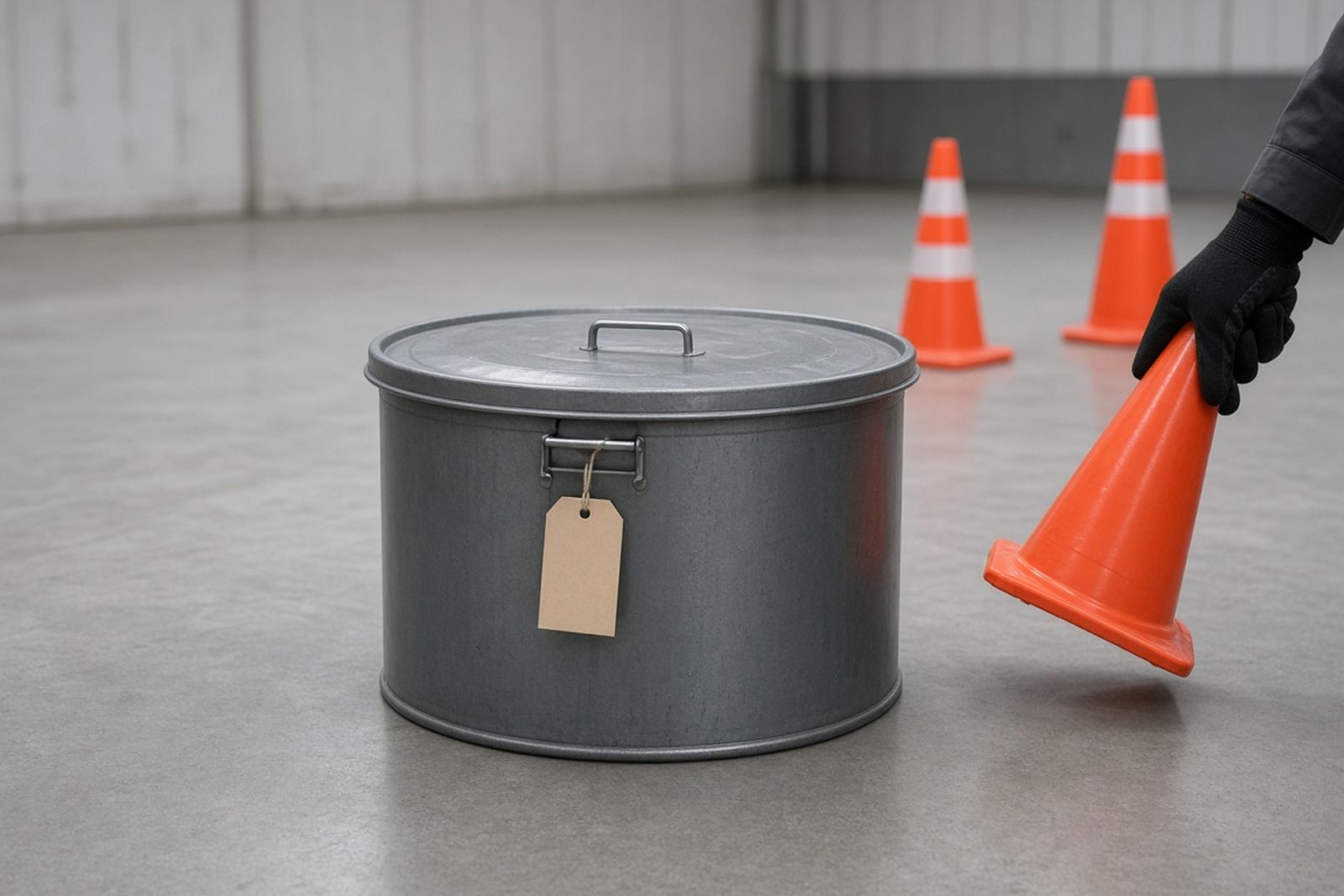
Once profiled, the waste is packaged, labeled, and scheduled for pickup by a licensed hazardous waste transporter. Drums or roll-off containers may sit on site in a secure area until the receiving facility accepts the profile.
Some waste streams are harder to place than others. Mixed materials, unknown residues, or large volumes of contaminated soil may take longer to profile and schedule, and a receiving facility can reject a load if paperwork and contents do not match.
Final documents, such as manifests signed by the receiving facility, confirm the waste reached its destination. Keep them with your incident file.
A realistic timeline
The following timeline is a made-up illustration. A delivery truck backing into a loading dock at a manufacturing plant strikes a tote of industrial cleaning solution. The tote splits, and liquid runs across the dock apron toward a storm drain at the edge of the parking lot.
Plant staff activate their spill plan, evacuate the dock, and cover the drain with a mat from the spill kit. A contracted response team arrives, confirms the product from the safety data sheet, meters the air, and contains the pool with absorbent booms.
Cleanup of the pavement takes the rest of the day. The team then learns that a small amount reached the drain before it was covered. The plant notifies the state environmental agency as required, and the team flushes and vacuums the drain line.
Samples from the drain outfall and the dock go to a lab. Results take several days. One sample shows residue near the outfall, so the team returns for additional cleaning and resampling. After the second round passes, the waste is shipped and the plant submits its closure paperwork. The dock was usable within a day, but the file stayed open for weeks.
What can I do to shorten the response?
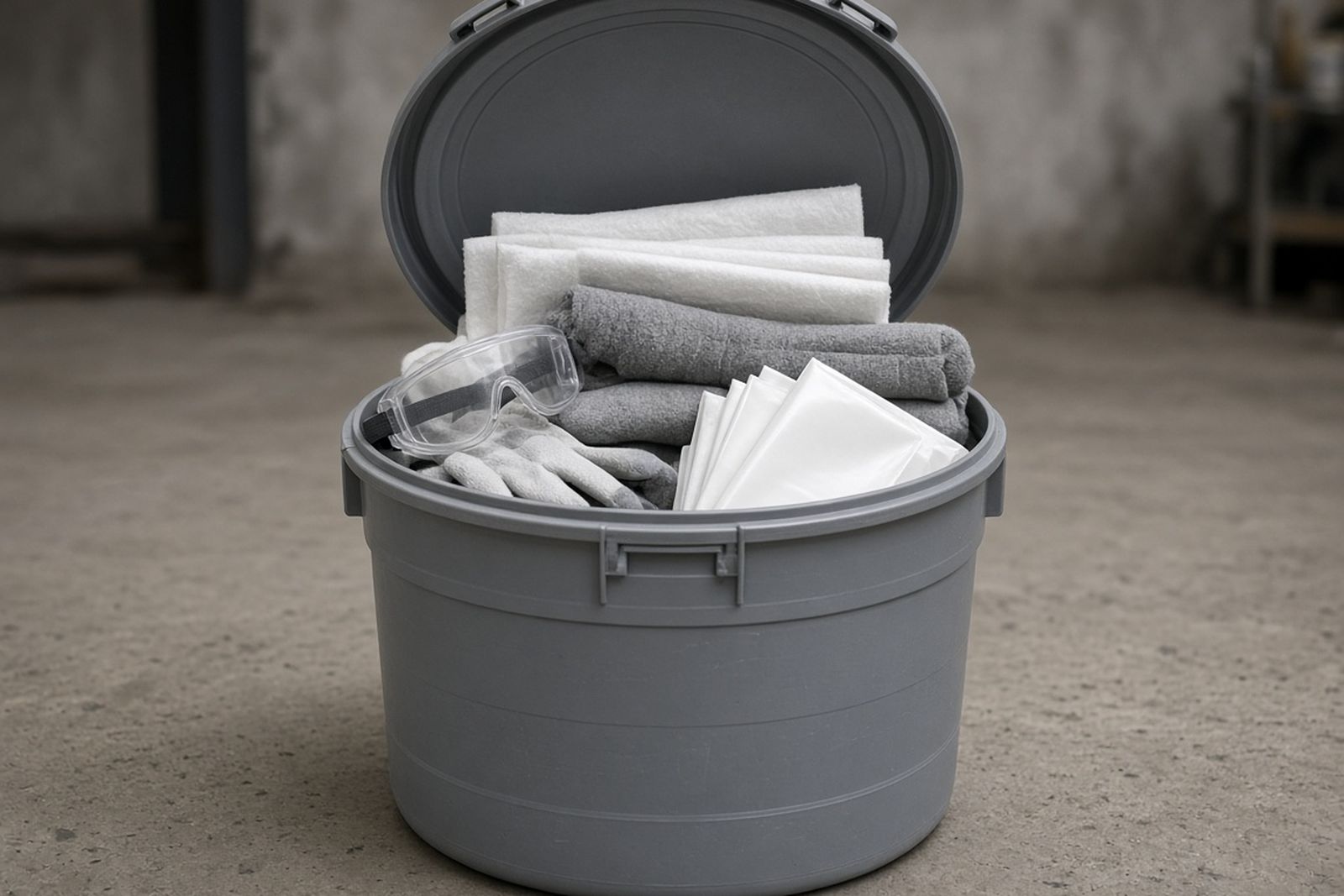
Preparation saves the most time. Keep up-to-date safety data sheets where responders can reach them, maintain spill kits sized for your materials, and know where your drains lead. Train staff to cover drains and leave the area rather than attempt cleanup without protection.
Public communication matters too. After the 2014 chemical spill in West Virginia, Savoia and colleagues reported in 2015 that 89% in affected counties heard of the spill on the day it occurred. Quick, accurate information helps neighbors protect themselves and reduces confusion that can slow a response.
Keep a response contractor's number on file before you need it, and understand your reporting obligations in advance. When a spill happens, call early and share everything you know about the material and where it went.