Hazmat Spill Response: Process & What to Expect
Property-specific walkthroughs for hazmat spill response: assessment, scope approval, hazard controls, material decisions, documentation, verification, and restoration handoff. Not every phase applies to every incident.
Posts in this category walk you through a spill response from the first alarm to the moment a work area reopens. You will read about what a contractor usually does on arrival. That runs from setting up zones and confirming the product to placing barriers around drains. You will also read what to do in the minutes before responders reach your site. Other articles explain why a response takes as long as it does. It depends on naming the product, the weather, where the liquid went, and how long it takes to test and ship the waste. Posts also describe how a contractor hands the site back and what a final meeting should cover.
Get an email reply about hazmat spill response
Send a short message to the follow-up inbox. A coordinator can reply by email. This form does not send emergency help; call 911 first if anyone is in danger.
Knowing the order of steps helps you avoid choices that make a spill worse. Examples are rinsing product toward a drain or letting curious staff wander into vapors. It also prepares you for the parts that feel slow, like waiting to name the product or for test results. Then you can plan for downtime and set fair expectations with workers, tenants, and customers. Articles also suggest naming one contact person at your site. That way responders, agency staff, and your own managers all hear the same facts. That one choice often keeps a stressful day much more orderly.
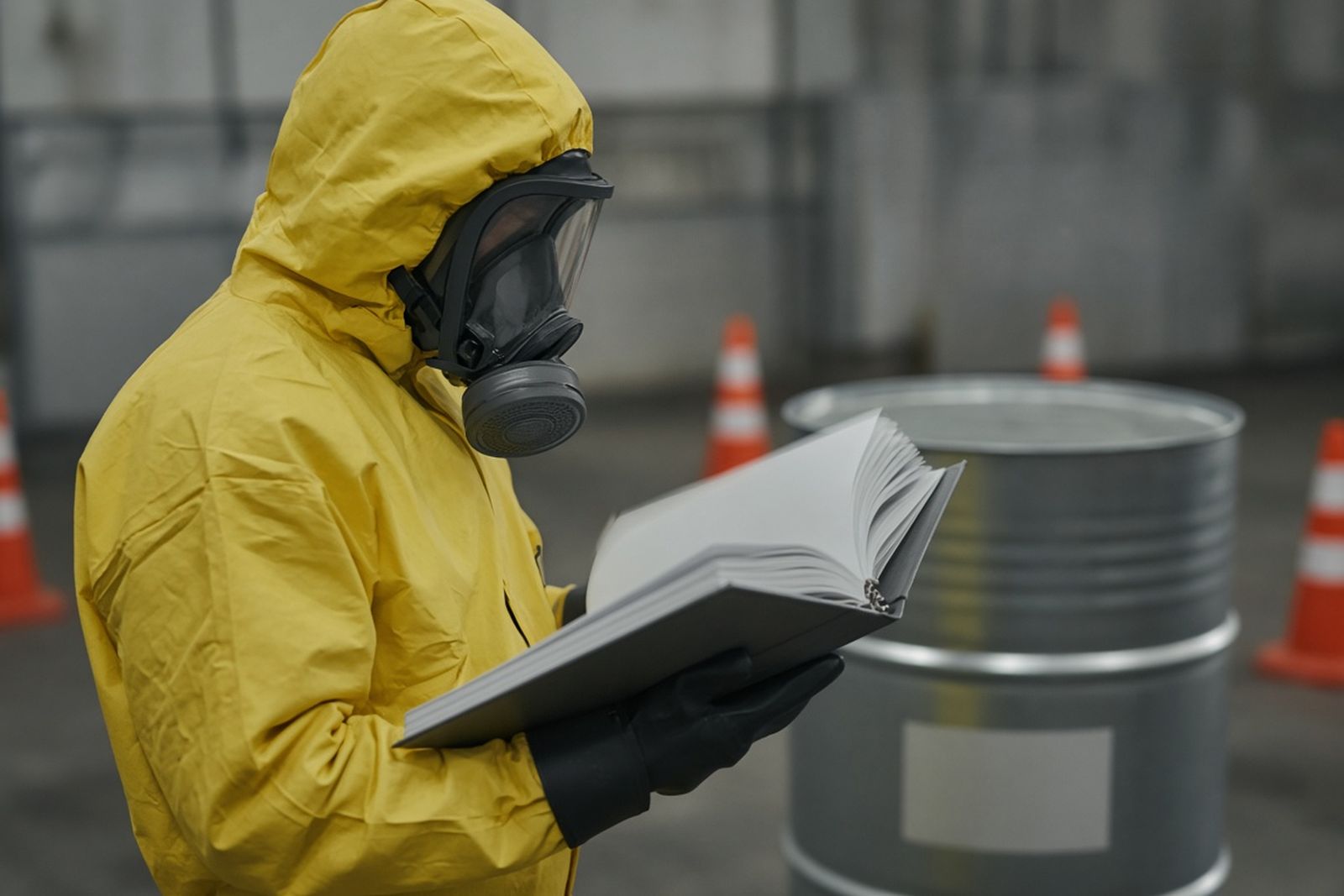
What to Expect During Professional Hazmat Spill Response
A spill response crew works in zones: assess, contain, clean up, decontaminate, and package waste. Here is what you will see on site from arrival to closeout.
Expect a professional hazmat spill response to begin with questions about the material and a site assessment, followed by setting up work zones, containing the spill, and monitoring the air. The crew then recovers and cleans up the material, decontaminates people and equipment, packages and profiles the waste, and provides documentation you can use for regulators, insurers, and your own records.
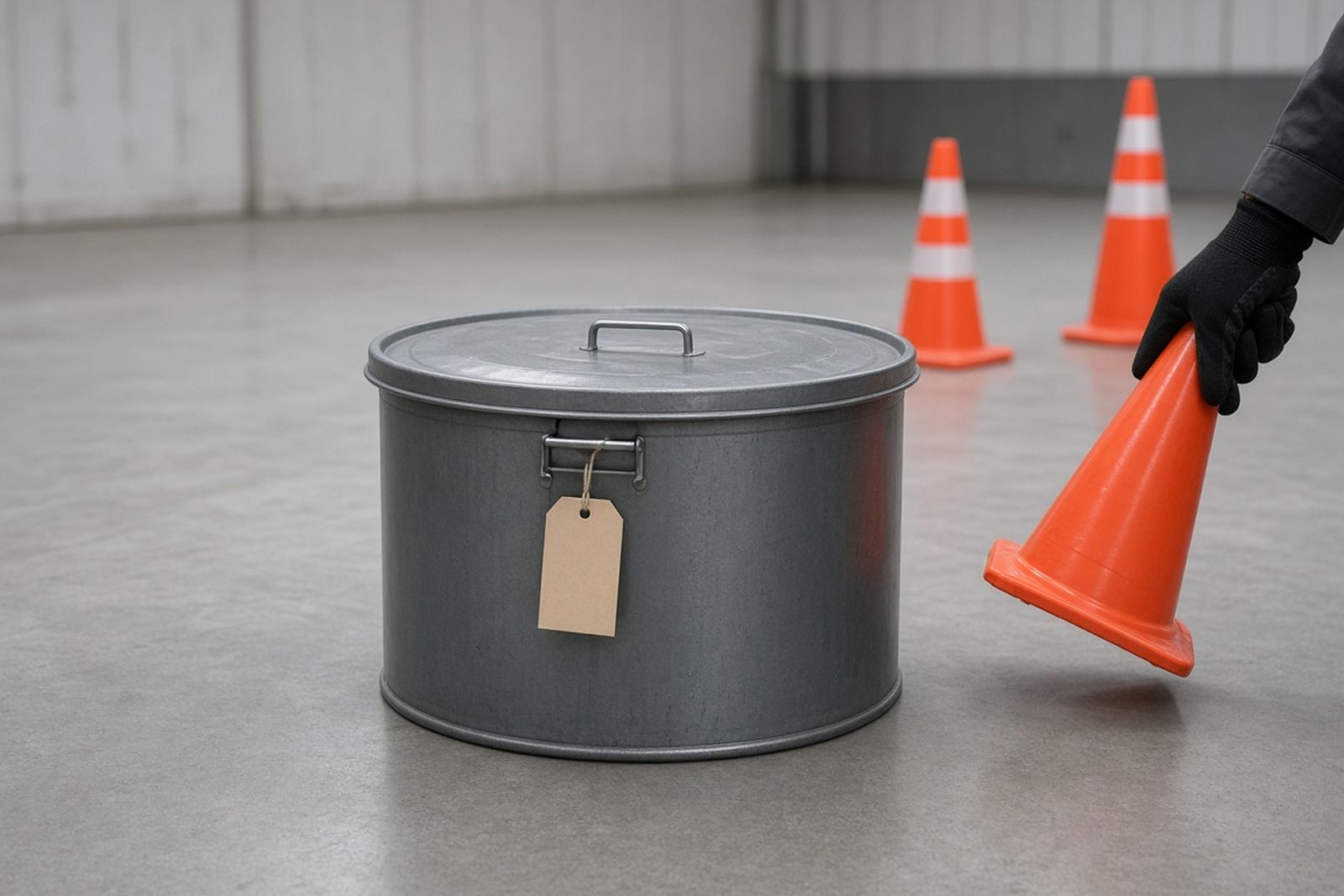
How Long Does Hazmat Spill Response Take?
A hazmat spill can be closed in an afternoon or take months. See how identification, containment, testing, waste shipping, and reporting shape the timeline.
Hazmat spill response ranges from a few hours for a small, well-identified spill on sealed pavement to weeks or months when material reaches soil, groundwater, or drains. The timeline covers identification and isolation, containment, cleanup, decontamination, confirmation testing, waste characterization and shipment, and regulatory reporting. Laboratory results and agency sign-off are often the slowest parts of the process.
Urgent Hazmat Spill Response: What to Do Before a Provider Arrives
When fuel, chemicals, or an unknown liquid spills, the first minutes decide how big it gets. Learn how to evacuate, isolate, protect drains, and brief crews.
When a hazardous material spills, move people away and upwind, call 911 if there is fire, injury, strong vapor, or an unknown substance, and eliminate ignition sources only if it is safe. Protect nearby drains if you can do so without exposure, find the safety data sheet, keep a record of times and actions, and call your spill response contractor and required agencies.
Sourced figures on process & what to expect
- 20.4%
US poison centers received 45,550 exposure calls related to cleaners and disinfectants in January-March 2020, a 20.4% increase over the same period in 2019.
Read with care: Reflects calls, not confirmed poisonings, and covers an unusual pandemic period with surging disinfectant use.
Source: CDC (2020)United States, National Poison Data System, January-March 2020 vs 2019
- 90%
Americans spend approximately 90 percent of their time indoors, according to EPA.
Read with care: Average figure; children, elderly and ill people spend even more time indoors.
Source: US EPA (2026)US population average
- 23-40%
Handwashing with soap reduces the number of people who get sick with diarrhea by 23-40%, according to the CDC.
Read with care: Range reflects varied study designs and settings; reductions are for diarrheal illness broadly, not any specific pathogen.
Source: CDC (2024)Global and US, general population, CDC summary of published studies
These figures are public research and agency data, not this network's own job records. Keep each number with its population, year and limits; none of them predicts cost, timing or outcome at a specific property.
What research has found
Findings from published studies of people and properties in situations like this one. They describe what researchers observed in a specific group; they are not predictions for your case.
Cleanup began while residents were already exhausted by the flooding itself.
Nearer-zone residents reported greater odor severity.
Process & What to Expect: common questions
What should I do while waiting for a spill contractor to arrive?
Keep people out of the area and upwind. Shut off anything that could spark only if it is safe to reach. Place drain covers or absorbent socks only if you can do it without touching the product. Find the safety data sheet, note the time, and photograph the scene from a distance. Leave containment of unknowns to trained responders.
Why does a spill response sometimes pause after containment?
Once the liquid stops spreading, the team may need to wait before cleanup goes on. They may be waiting to name the product, for air readings, or for an agency's instructions. Waste often must be tested before a disposal site will take it. These pauses can feel frustrating. But they prevent unsafe handling and help make sure the final paperwork holds up later.
When can my employees return to the affected area?
Going back in should follow the standards your safety staff and the contractor agreed on. These may be air readings, visual checks, or wipe test results. The fire department or an agency may also need to clear the space. Ask your contractor to write down which standards were used. Then supervisors can explain the choice to staff.
Do I need to stay on site for the whole spill response?
Someone who knows the property and can make decisions should be reachable the whole time. Ideally, that person is on site during the first hours. Once work is going, that person can step away if the supervisor has a working phone number and knows who can approve changes. Arrange coverage for nights and weekends. Make sure whoever is on site can open gates and utility rooms.
What paperwork might I be asked to sign during a response?
Expect a work approval or agreement and maybe a form accepting the rates. Expect change orders if the job grows. As the business that made the waste, expect waste records and waste shipping records. Read each document before you sign, and ask for a copy right away. If a description of the waste or the work does not match what you know, ask for a fix first. Keep every signed page in your incident file.
Why might the crew ask us to stop using a sink, floor drain, or water tap?
Water that reaches a drain linked to the spill area can push the spill further into the pipes or out to a storm drain. Some chemicals also react with water. The crew may need to trace where a drain leads before anything else goes into it. Follow the request and post a sign so others know. Ask when normal use can start again.
How should I prepare my team before a scheduled remediation phase?
Tell staff which areas will be closed, for how long, and which entrances, parking, or routes will change. Move vehicles and stock away from the work zone if the contractor asks. Confirm who will meet the crew and who can approve changes. Share a contact for questions, and remind everyone not to enter taped areas even if the work looks finished.
Related community polls
Every count is a real visitor vote; nothing is seeded or padded. One vote per poll per device, and you can change your answer.
How prepared is your site for a chemical or fuel spill right now?
In your most recent spill, what was the first action taken?
More on hazmat spill response
Hazmat Spill Response services
Learn how spill response works for chemicals, fuel, oil, and unknown products. It runs from closing off the area and reading the SDS to waste disposal and reopening.
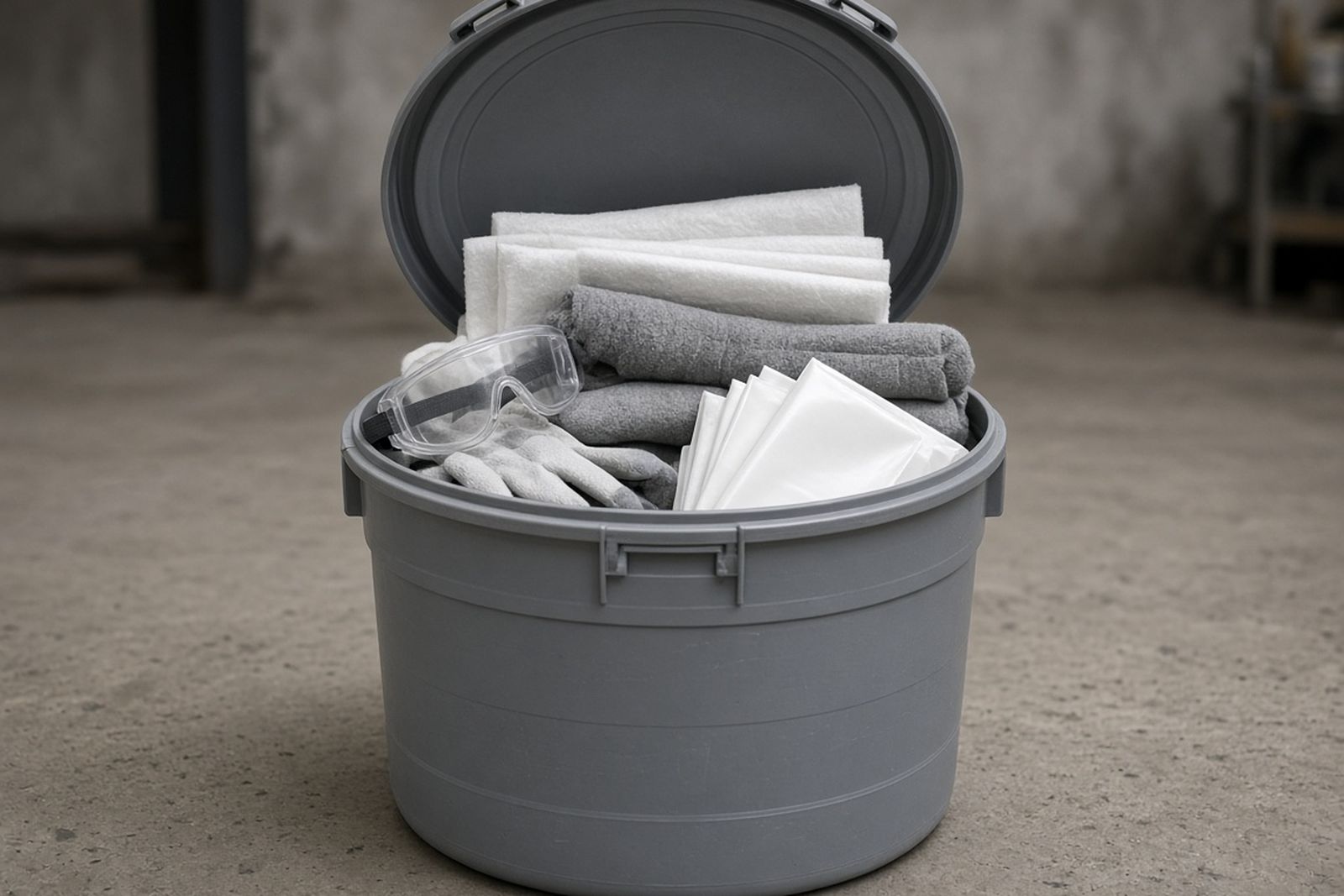
Costs explained
What drives the price, published cost ranges, and how to read a written quote line by line.
Insurance and payment
Which policies may respond, how to document a claim, and what to do if coverage is denied.
Planning tools
Hands-on planners help you order the first day, judge staff risk, check contractors, sort spill waste, and organize a claim.
Community polls
Compare your spill planning and response choices with facility, fleet, and property managers who faced similar spills and learned from them.
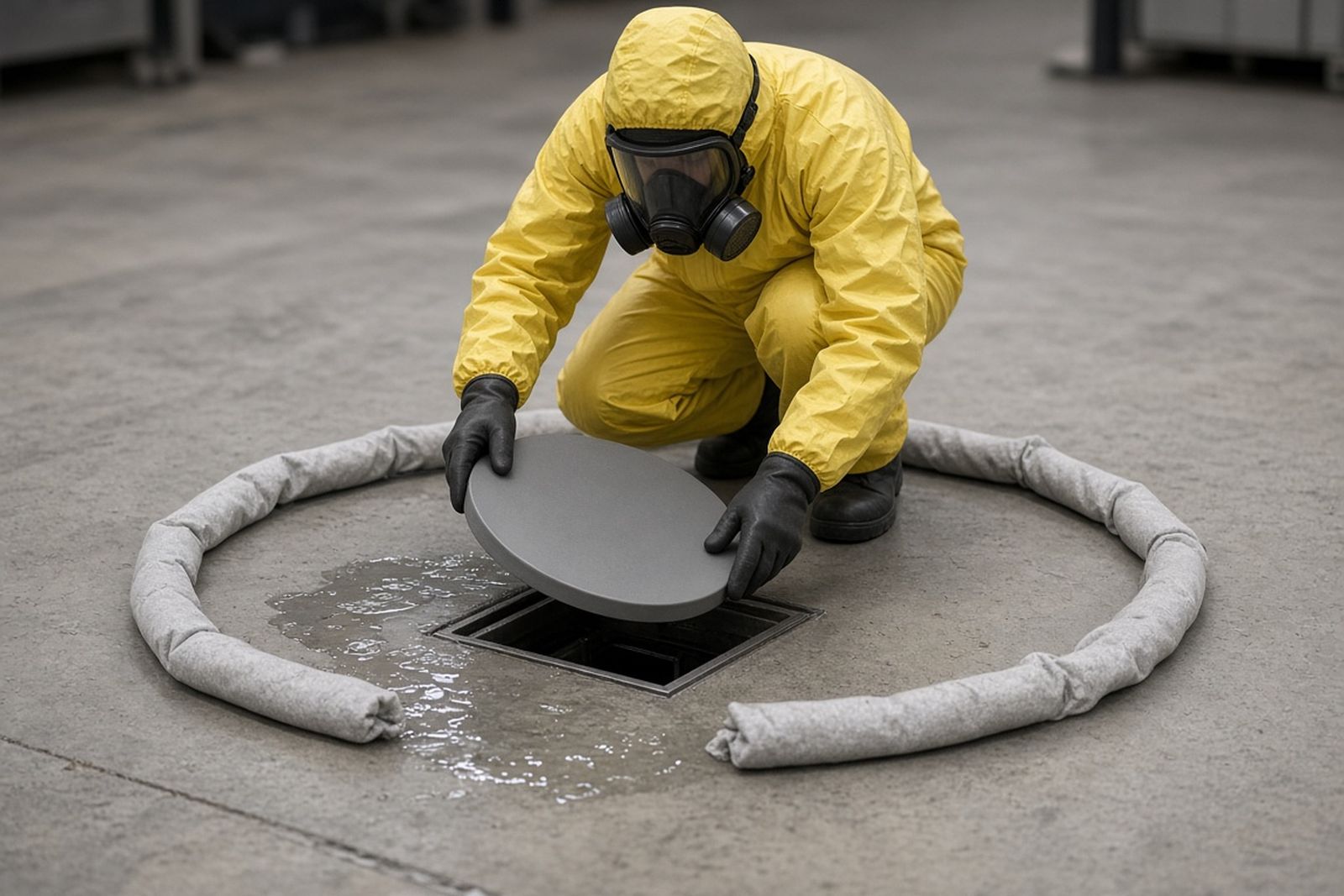
Knowledge quiz
Check what you know about spotting hazards, who is in charge, containment, cleanup, waste, and records with a short quiz for managers.
City guides
Find learning resources and spill response contractor listings for your state, county, and city. See which agencies handle spill reports there, too.