Short answer
You can clean up a spill yourself only when it is small, you know what it is, and it is low-risk, like a little motor oil on sealed concrete. Call for help if you do not know what spilled. Call if it is toxic, can burn, or can react, if there are fumes, or if anyone feels ill. Call if it reaches a drain, soil, or water. You may also have a duty to report.
Spills you can reasonably handle yourself
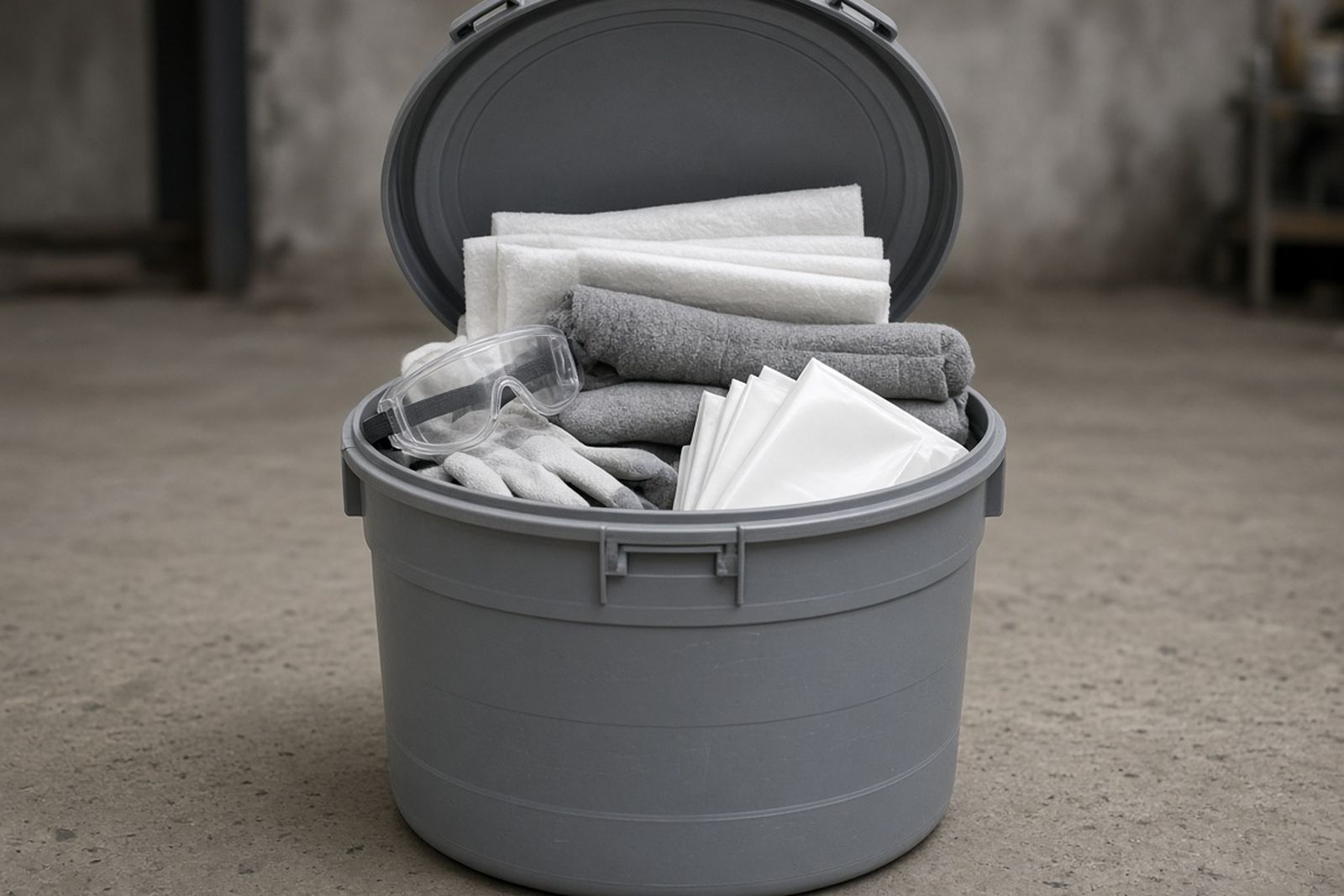
Some spills involve hazardous products but are small and easy to predict. Think of a few ounces of motor oil on a sealed garage floor, a tipped can of latex paint, or a little antifreeze on concrete. You can usually handle these with absorbent, gloves, and proper disposal.
Check a few things first. You know exactly what spilled. The amount is small. There are no strong vapors. The surface does not soak it up. It is nowhere near a drain or water. And you have the right absorbent and protective gear. If any one of those is missing, pause before you act.
Read the product label and the safety data sheet first. The safety data sheet is the maker's fact sheet for the product. Both tell you the hazards, what protective gear to wear, and how to clean up a spill. If the label warns that the product can burn, poison, or eat away at skin and metal, be more careful than you would with a household mess.
Get rid of the used absorbent the right way. In many areas, oily absorbent, paint waste, and antifreeze cannot go in the household trash. Pouring leftovers down a drain is almost never okay. Your local household hazardous waste program can tell you where to take them.
When should I stop and call for help?
Stop and call when you do not know what spilled. Do the same when the container has no label or is damaged, or when more than one chemical may be mixing. Unknown spills are the most dangerous ones. You cannot pick safe gear or a safe cleanup method for them.
Call for help when vapors are strong or when your eyes, nose, or throat burn. Call when anyone feels dizzy, sick to the stomach, or short of breath. Leave the area first. Then call 911 or your local emergency number.
Call when a spill reaches a storm drain, floor drain, ditch, creek, or soil. Call when there is more than you can contain with what you have on hand. You may have a duty to report it to an environmental agency, and delays can make things much bigger.
When you call, share what you know. Give the product name if you can see it, the rough amount, where it is flowing, and if anyone has symptoms. Stay upwind and uphill while you wait. Do not go back in to get belongings or check on the spill.
- Unknown, unlabeled, or mixed chemicals
- Strong vapors, fumes, or smoke
- Anyone with symptoms such as burning eyes, dizziness, or trouble breathing
- Materials that can burn, poison, corrode, or react
- Spills that reach drains, soil, or water
- More liquid than your kit can contain
What goes wrong when untrained people respond?
The most common mistake is reaching for a hose. Water can spread a spill and carry it into drains. It can also react violently with certain chemicals. Washing a spill away usually just moves the problem somewhere harder to clean.
Other mistakes are easy to make. One is using the wrong absorbent. Sawdust on an oxidizer, a chemical that feeds fire, can create a fire risk. Another is mixing cleaners with the spill. Bleach with ammonia or acids can release toxic gases. Walking into a room full of heavy vapors without breathing protection can cause serious harm fast.
Bystanders also get hurt trying to help. Kind coworkers or neighbors may walk through a spill and track it into other areas. They may breathe it in or get it on their skin. Keeping people away is often the most helpful thing you can do.
Protective gear from a hardware store has limits too. Dust masks do not filter chemical vapors. Common household gloves can break down fast when they touch solvents. Feeling protected can lead you to stay near a spill longer than is safe.
Training and equipment you would not have
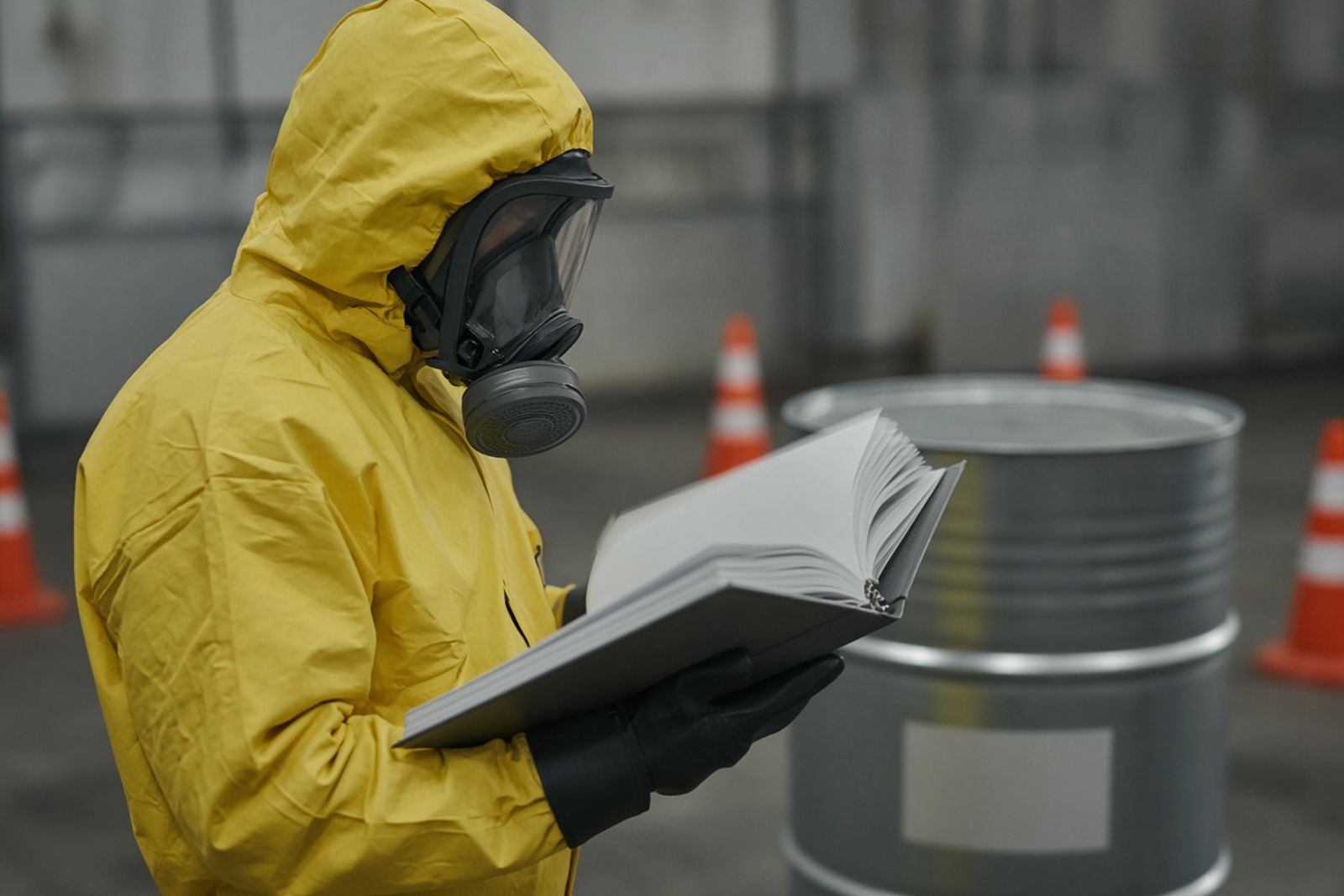
Professional hazmat responders train under an OSHA rule. Its full name is the hazardous waste operations and emergency response standard. The hours and field time it calls for depend on the role. More is expected of technicians and supervisors than of workers with only rare, low-exposure duties.
Training covers how to spot hazards, test the air, and choose protective gear. It covers how to contain a spill, how to wash off afterward, and what to do in an emergency. Responders practice with the suits, masks, and tools they use in the field.
If you are an employer and you expect workers to respond to spills, you must give them the right training. If your staff are only expected to leave and call for help, their training can focus on that role. But they should know clearly where their job ends.
A workplace with hazardous chemicals often needs a written emergency plan. It says who responds and who leaves. If you own a business and are not sure your plan covers spills, a safety consultant or your spill response company can help you review it.
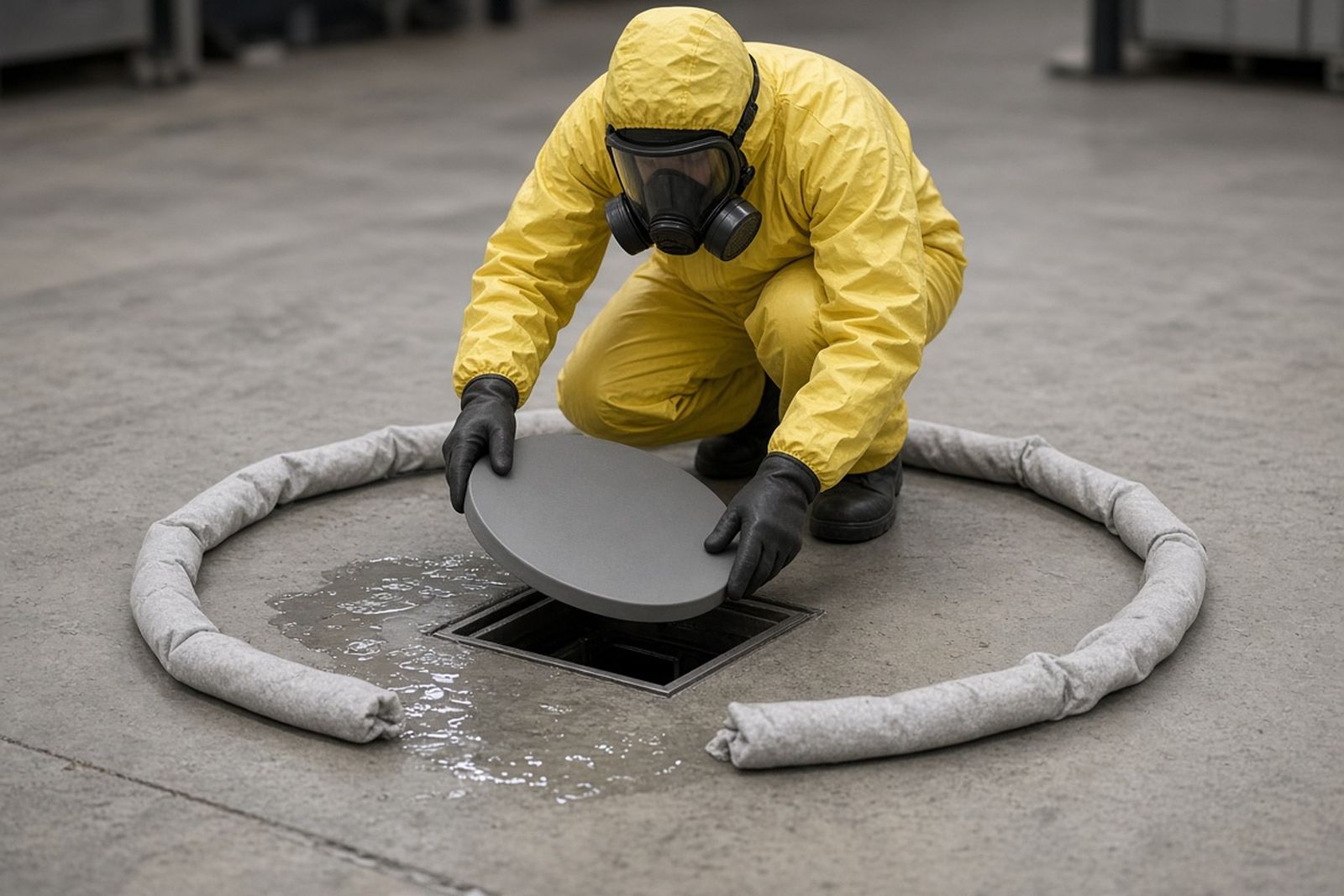
Professionals arrive with air monitors that are checked for accuracy. The monitors measure oxygen, vapors that can burn, and toxic gases. Crews carry chemical-resistant suits, gloves, and boots chosen for the substance. They bring filter masks or supplied air where needed.
They also bring a lot of gear to stop and collect a spill. That includes drain covers, floating barriers, low dams, and absorbents that are safe with the chemical. It includes neutralizers, pumps, oversized drums that hold damaged ones, and wash-down supplies. A typical household or small shop kit covers only a small part of that.
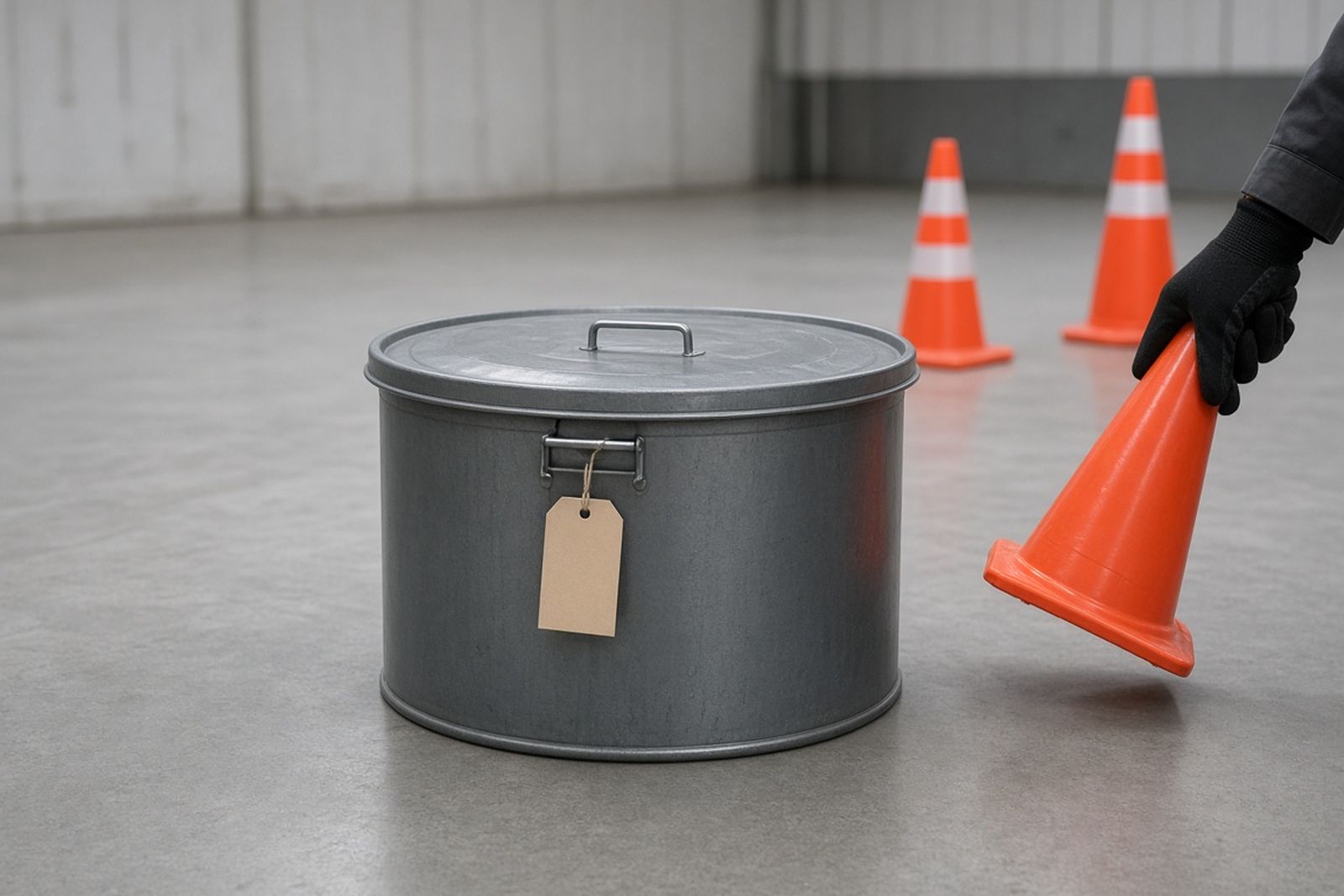
Most of all, they bring a path for the waste. Collected chemicals, used absorbents, and dirty debris must be tested, packed, labeled, and shipped to a permitted site. Records show it was done.
They also know what not to do. A trained responder can tell when a spill is beyond a cleanup crew. It may need the fire department, special teams, or steps to protect the public. A good responder makes that call early.
Why a small spill can still affect the neighbors
Chemicals do not stay neatly inside the spill area. Vapors drift with the wind. Odors can travel far past the source. They alarm your neighbors and sometimes cause symptoms. Strong-smelling compounds, such as the mercaptans added to natural gas, can make people feel unwell and afraid even at low levels.
That is one reason a professional response includes keeping people informed. Responders work with emergency managers and local officials. Those officials can tell your neighbors to stay inside, to leave, or just to close their windows.
How a small DIY cleanup grows
Anyone who responds to home spills knows this pattern. Someone is clearing out an old garage or shed. A rusty can with a faded label tips over, and a liquid with a sharp smell spreads across the floor. The first instinct is to grab a garden hose, thin out the smell, and push the liquid outside.
That one step moves the problem. The liquid runs down the driveway, into the street gutter, and toward a storm drain. The smell often gets stronger, not weaker, as the wet area grows. If you start to feel lightheaded, the right move is to leave, call 911, and keep neighbors away.
Responders then have to work out what the product is from the scraps of label that remain. They test the air and block the storm drain farther down. A job that could have stayed on the garage floor now takes in the driveway, the gutter, and the storm drain. The local environmental agency may need to be told too.
None of this takes carelessness. It happens because unknown liquids and water rarely mix well. It also happens because the urge to do something feels stronger than the urge to wait. Calling first is what keeps a spill small.
Does calling professionals mean a huge bill?
Costs depend on the chemical, the size of the spill, the surfaces involved, and waste disposal. A small spill that stayed in one place costs far less to fix than one that has spread into drains or soil.
That is why an early call saves you money as well as risk. Containing a spill fast shrinks the cleanup area, the amount of waste, and the testing that follows. If you run a business, a contract with a spill response company can set the terms ahead of time.
Some property or business insurance policies may cover certain spills. But coverage depends on your policy and the cause. Check with your insurer and keep records of the response.
If a spill happens at a rental, tell your landlord or property manager right away. They may have their own cleanup company or insurance rules. They may have duties to other tenants. All of that can affect who responds and who pays.
Preparing so the choice is easy
Keep safety data sheets for the chemicals you store. Keep them where you can reach them without walking into the spill area. Match your spill kit to what you really have. Know where your floor drains and storm drains lead.
Take stock of old containers before they become a spill. Garages, barns, and basements often hold products that are decades old, with faded labels. You can get rid of them at a household hazardous waste event or through a licensed company. That removes the unknowns before a can tips over.
Teach everyone in your home or workplace one simple rule. If you are unsure, get out, keep others away, and call. Keep a spill company's number with your emergency contacts. Not sure if a spill must be reported? Your fire department's non-emergency line or your state environmental agency can tell you.