Hazmat Spill Response: Regulations
How to identify the worker-safety, waste, transport, environmental, and local rules that may apply to hazmat spill response. Confirm jurisdiction-specific requirements with the issuing authority.
Rules posts help you sort through the overlapping rules that can apply after a hazardous materials spill. Articles explain OSHA's rule for workers who respond to hazardous waste and emergencies. They explain EPA rules for hazardous waste and spill reporting. They also cover DOT rules when product is shipped or spilled on the road. Other posts show how to look up your state's spill reporting and waste rules. They show how county fire codes and emergency planning committees fit with federal rules. Posts on waste show how to find the right state program office. They also show what to ask about your waste status after a one-time spill.
Get an email reply about hazmat spill response
Send a short message to the follow-up inbox. A coordinator can reply by email. This form does not send emergency help; call 911 first if anyone is in danger.
Following the rules after a spill is rarely about one rule. Reporting, worker training, waste handling, and cleanup oversight may each fall to a different agency. Missing one can cause problems long after the floor is dry. These posts help you build a checklist of questions. Then you can confirm the answers with the agencies that oversee your site. The articles are for learning, not legal advice. They point you to official sources instead of summaries that may be out of date. Keeping a dated record of each talk with an agency also shows good faith. That helps if a question comes up during an inspection or a later property sale.
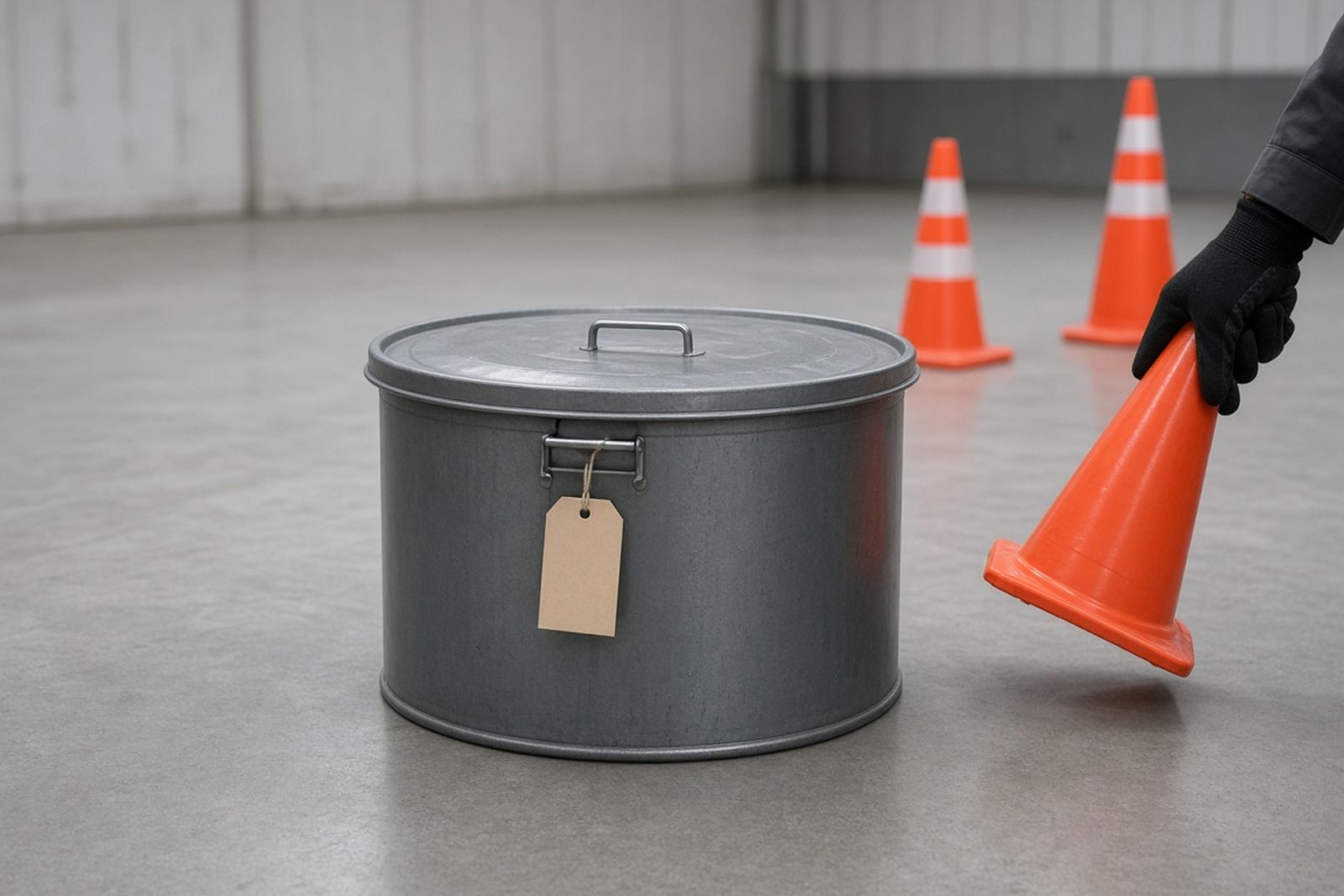
OSHA Regulations and Hazmat Spill Response
HAZWOPER, chemical warning and respirator rules decide who may go near a chemical spill. See how OSHA frames spill response and the cleanup after it.
OSHA's main rule for chemical spills is HAZWOPER, 29 CFR 1910.120. It splits spills into two kinds. Small, everyday spills can be handled by your trained staff. Emergency spills need a written plan, a clear chain of command, set training levels and the right protective gear. Rules on chemical warnings, breathing protection and gear apply alongside it. Reporting the spill to environmental agencies is a separate duty handled by EPA and the states.
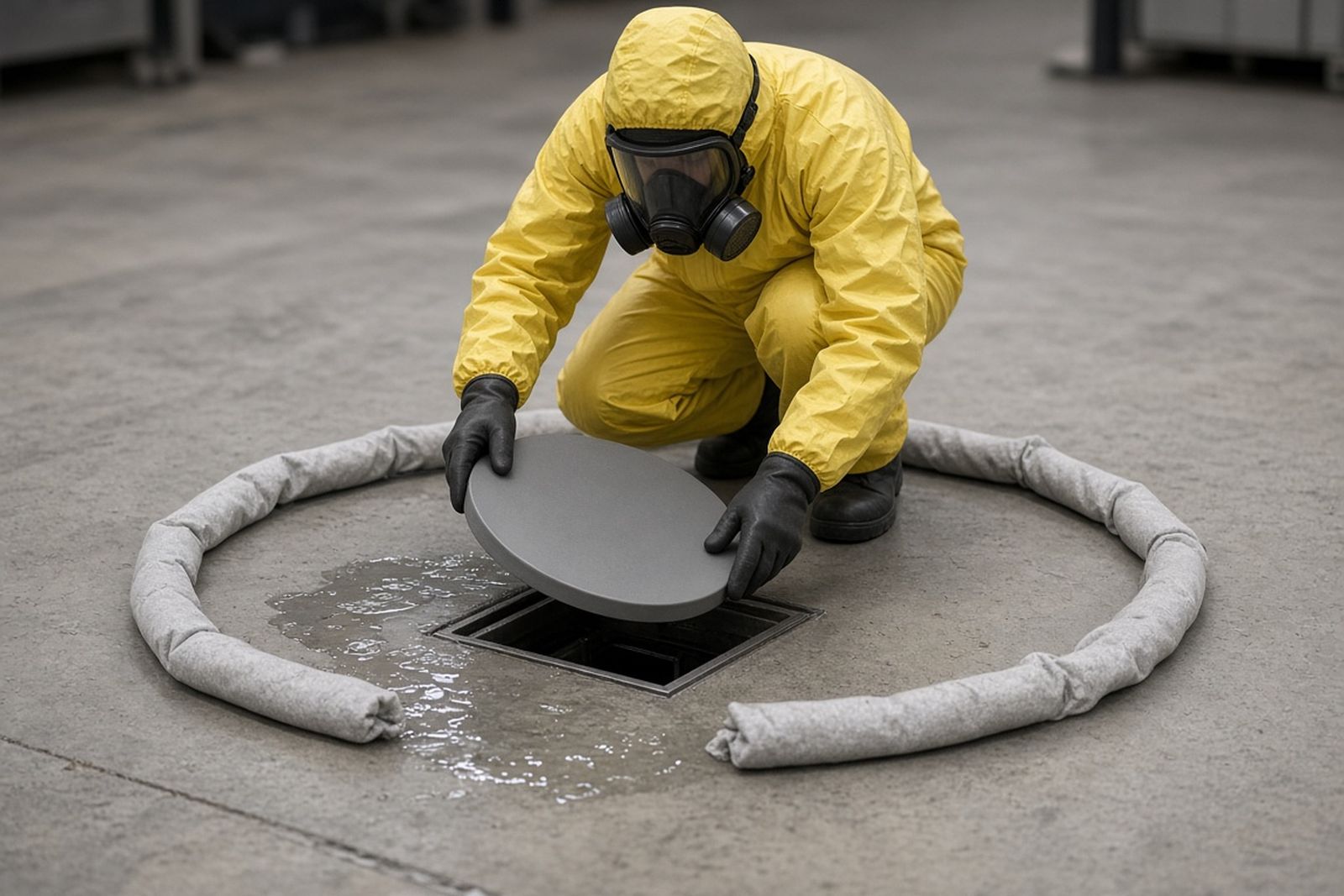
Which Federal, State, and Local Rules Apply to Hazmat Spill Response?
One chemical spill can mean calls to federal, state and local agencies, each with its own triggers and deadlines. Map your spill reporting rules early.
Hazmat spills can set off rules at every level. Federal law covers reporting hazardous substances and oil to the National Response Center. It also covers emergency notices to state and local planning groups, worker safety under OSHA and transport accidents under DOT. States often add their own reporting triggers, cleanup standards and permits. Local fire departments, emergency planners and sewer or storm drain offices have separate roles and notice rules.
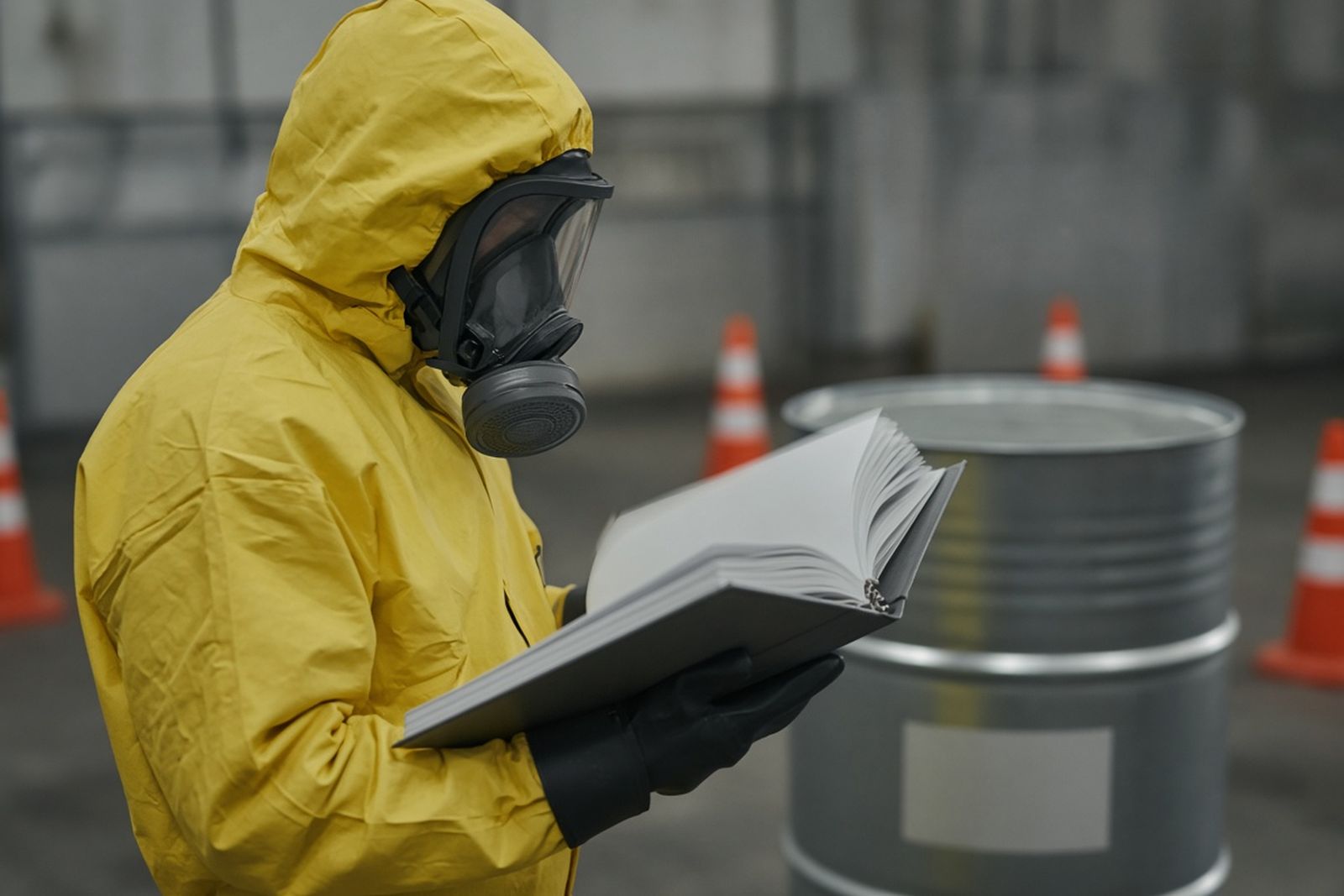
How to Research Waste Rules for Hazmat Spill Response
Spill cleanups leave used absorbent, soil, rinse water and protective gear that must be sorted before shipping. Here is a way to research EPA and state waste rules.
To research waste rules after a hazmat spill, first list every waste the cleanup made. Then decide whether each one is a hazardous waste under EPA's RCRA rules. A waste can be hazardous because it is on an EPA list or because of how it behaves. Use safety data sheets, what you know about the product and lab tests. Check whether the spill changes your waste-maker category. Check whether other programs apply, such as used oil or wastewater rules, and what your state adds. Write down each choice and the reason for it.
Sourced figures on regulations
- 54%
54% of respondents expressing a view considered environmental regulation insufficient.
Read with care: Self-reported behaviour; event-specific communications.
Source: Savoia et al. (2015)690 West Virginia adults surveyed online in February 2014, including affected and unaffected areas.
- 36.5%
36.5% overall sought medical care for odor-related symptoms.
Read with care: Reported symptoms and odor; not measured individual exposure doses.
Source: Behbod et al. (2014)204 household representatives surveyed in two distance zones, September 2012.
- $27.2 billion
IBISWorld sizes the broader U.S. remediation and environmental cleanup services industry at $27.2 billion in 2026, growing 1.5% that year.
Read with care: Includes soil, groundwater and hazardous-material remediation; biohazard cleanup is a small slice.
Source: IBISWorld (2026)United States, NAICS remediation services industry, 2026 estimate
These figures are public research and agency data, not this network's own job records. Keep each number with its population, year and limits; none of them predicts cost, timing or outcome at a specific property.
What research has found
Findings from published studies of people and properties in situations like this one. They describe what researchers observed in a specific group; they are not predictions for your case.
Some felt relief when evacuating, while others felt guilty about leaving neighbours.
Nearly all households declined to resume normal water use after flushing because of safety concerns.
Regulations: common questions
Which agency decides whether my spill waste is hazardous?
Federal EPA rules define hazardous waste. Most states run approved programs that apply those rules, sometimes with extra rules added. As the business that made the waste, you are responsible for testing and sorting it. You will often get help from your contractor and a lab. Your state environmental agency can answer questions about how to classify it and which haulers and disposal sites may take it.
Do I have to report a spill that stayed inside my building?
It depends on the product, the amount, and your state and local rules. Some reporting duties focus on spills into the environment. Others cover certain amounts no matter where they spill. Fire codes may also expect a report. Check your safety data sheet and emergency plan. Then confirm with your state environmental agency. When you are unsure, calling is safer than assuming.
Does OSHA regulate the contractor or my own employees during a spill?
Both can be covered. OSHA's emergency response rules apply to workers who respond to uncontrolled spills. That includes a contractor's crew and any of your workers your plan assigns to response roles. Workers who only leave the area and report it are treated differently. Review your emergency action plan with your safety staff or your state job safety agency. They can confirm which roles apply.
Do small businesses have the same spill reporting duties as large ones?
Reporting duties usually depend on what spilled, how much, and where it went, not on the size of the company. A small shop that spills a reportable amount of a listed substance may have the same duty to call as a large plant. Size can affect other duties, such as planning and waste rules. So confirm with your state agency.
Does my local fire code affect how much fuel or chemical I can store?
Often yes. Fire codes often set rules for storing liquids that burn, strong oxidizers, and other hazardous materials. These can include safety cabinets, spacing, and permits above certain amounts. Your fire marshal can explain what applies to your building and how you use it. Following those rules lowers spill risk. A violation can also come to light during a spill investigation.
Are household spills ever regulated?
Yes, in some cases. Homes are usually exempt from many business waste rules. But a spill that reaches a storm drain, waterway, well, or a neighbor's property can still bring in an agency. Heating oil tank leaks are a common example. Household hazardous waste programs set rules for what they accept. Your state environmental agency can explain what applies at home.
Who oversees the transport of spill waste once it leaves my property?
Federal transportation rules oversee the shipping of hazardous materials and hazardous waste. State environmental and transportation agencies also play a role. The hauler must be properly registered and trained. The waste must be properly packed and labeled, and the shipment must be recorded. You can ask your contractor for the hauler's name. Then confirm its status with your state agency.
Related community polls
Every count is a real visitor vote; nothing is seeded or padded. One vote per poll per device, and you can change your answer.
How prepared is your site for a chemical or fuel spill right now?
In your most recent spill, what was the first action taken?
More on hazmat spill response
Hazmat Spill Response services
Learn how spill response works for chemicals, fuel, oil, and unknown products. It runs from closing off the area and reading the SDS to waste disposal and reopening.
Costs explained
What drives the price, published cost ranges, and how to read a written quote line by line.
Insurance and payment
Which policies may respond, how to document a claim, and what to do if coverage is denied.
Planning tools
Hands-on planners help you order the first day, judge staff risk, check contractors, sort spill waste, and organize a claim.
Community polls
Compare your spill planning and response choices with facility, fleet, and property managers who faced similar spills and learned from them.
Knowledge quiz
Check what you know about spotting hazards, who is in charge, containment, cleanup, waste, and records with a short quiz for managers.
City guides
Find learning resources and spill response contractor listings for your state, county, and city. See which agencies handle spill reports there, too.