Short answer
Before hiring a hazmat spill response company, ask what materials and spill sizes it handles, how it dispatches after hours, how its crew roles are trained, what monitoring equipment it brings, how it protects drains, how it profiles and disposes of waste, whether it supports regulatory reporting, what insurance it carries, how it prices work, and what closeout documentation you receive.
Choose before the spill, not during it
The worst time to evaluate a contractor is while a drum is leaking toward a storm drain. Decisions made under pressure tend to favor whoever answers the phone first, not whoever is best suited to your site.
Selecting a contractor in advance lets you compare capabilities, negotiate rates, and walk your site together. It also lets you put the contractor's number in your spill procedure, on your spill kits, and in the hands of every shift supervisor.
Spills involving hazardous materials are not rare. Reported hazardous materials transportation incidents climbed from about 15,000 to just over 21,000 per year between 2011 and 2020, according to PHMSA's Incident Statistics Portal as summarized by ICC Compliance Center in 2021. Fixed facilities face their own risks at docks, fuel islands, and maintenance bays.
The ten questions below are written for facility, fleet, and property managers. Use them to interview contractors now, so you already know whom to call later.
Questions 1 and 2: scope and dispatch
The first question: What materials and spill sizes do you handle? Some contractors focus on petroleum products. Others handle acids, caustics, solvents, batteries, and unknowns. Share a list of what you store and ask which items the contractor is equipped to respond to, and which it would refer elsewhere.
The second question: How does after-hours dispatch work, and what is your typical coverage for my location? Ask whether a live person answers at night and on weekends, where the nearest crew and equipment are based, and how the contractor prioritizes multiple calls. Avoid accepting promises of a specific arrival time as a guarantee; ask instead how dispatch decisions are made.
For multi-site operations, ask whether the contractor covers every location or relies on subcontractors in some areas. If subcontractors are used, ask how their quality is managed.
Ask about recent jobs similar to yours. A contractor that regularly responds at warehouses, truck terminals, or apartment complexes will already know the common layouts, drain locations, and access problems of those sites, which shortens the first hour on scene.
Questions 3 and 4: crew and equipment
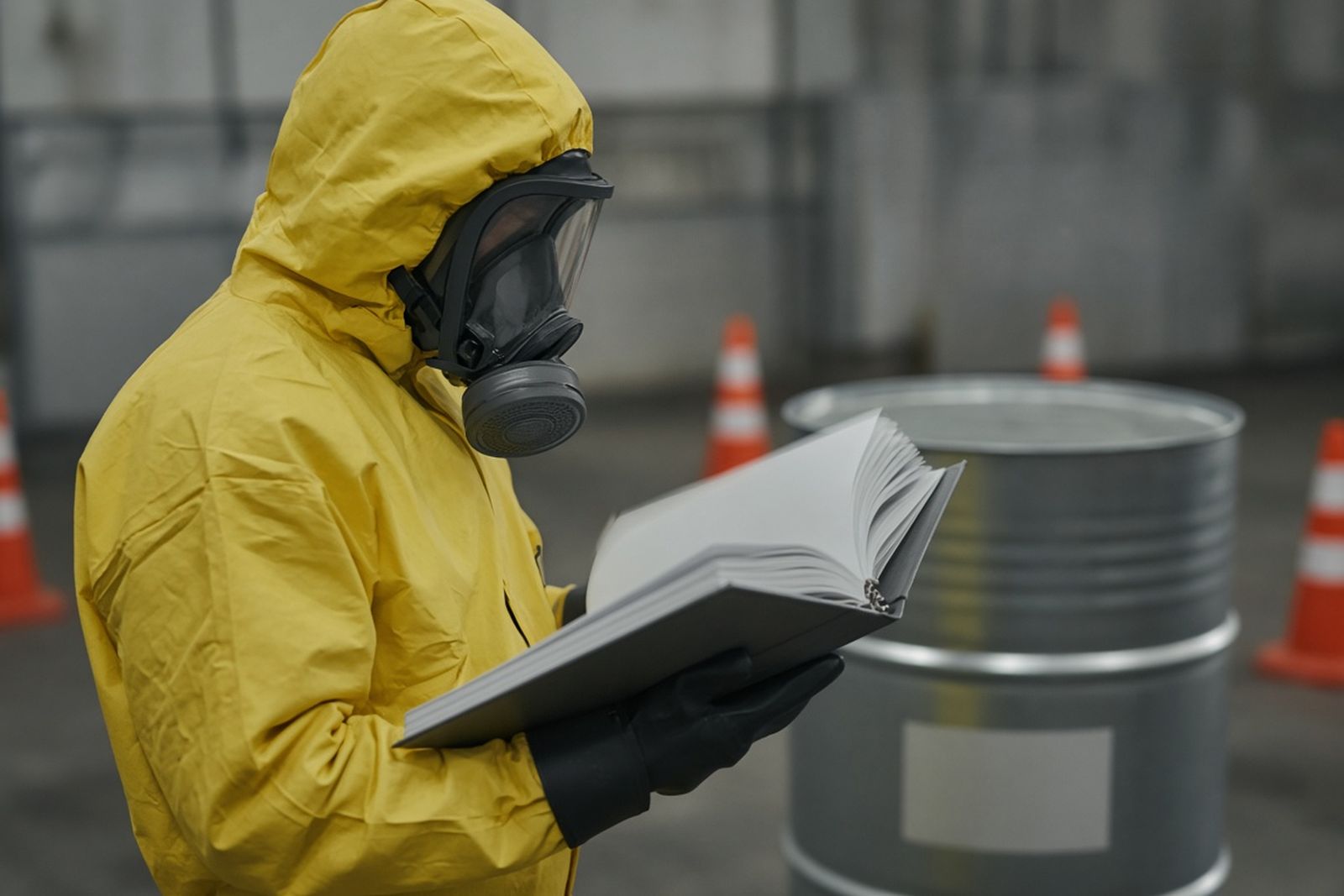
The third question: How are your crew roles trained? OSHA's HAZWOPER standard sets different training minimums for site workers, emergency responders at each level, and supervisors. Ask which roles the contractor sends to a typical spill and how each is trained and refreshed.
The fourth question: What monitoring and protective equipment will you bring? Air monitoring for flammable vapors, oxygen levels, and specific chemicals shapes every decision on site. Ask what instruments the crew carries, how they are calibrated, and what respiratory protection program the company maintains.
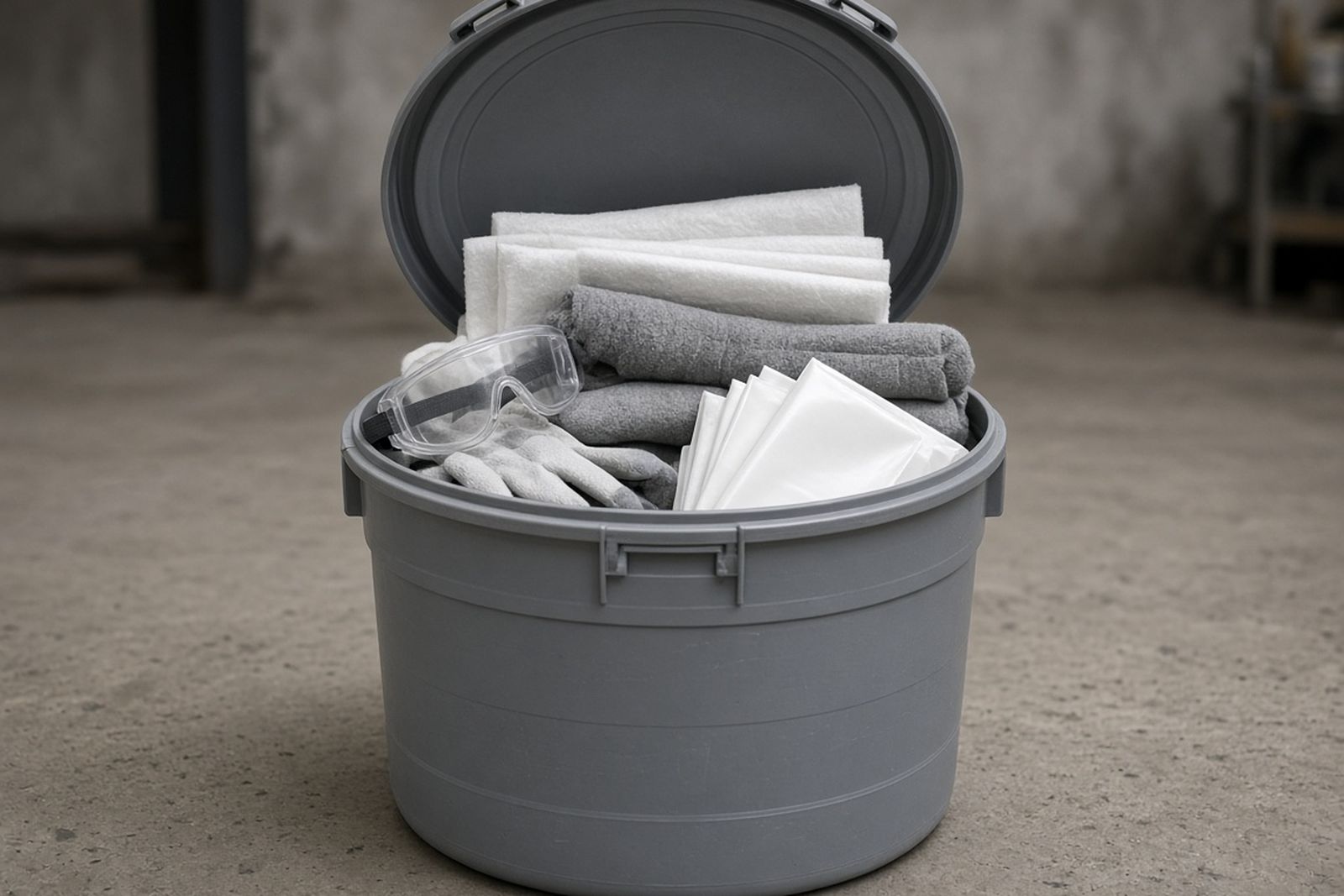
Also ask about containment and recovery equipment: absorbents, booms, drain covers, pumps, vacuum units, and drums. A contractor with the right gear on the first truck saves hours.
Questions 5 and 6: drains and waste
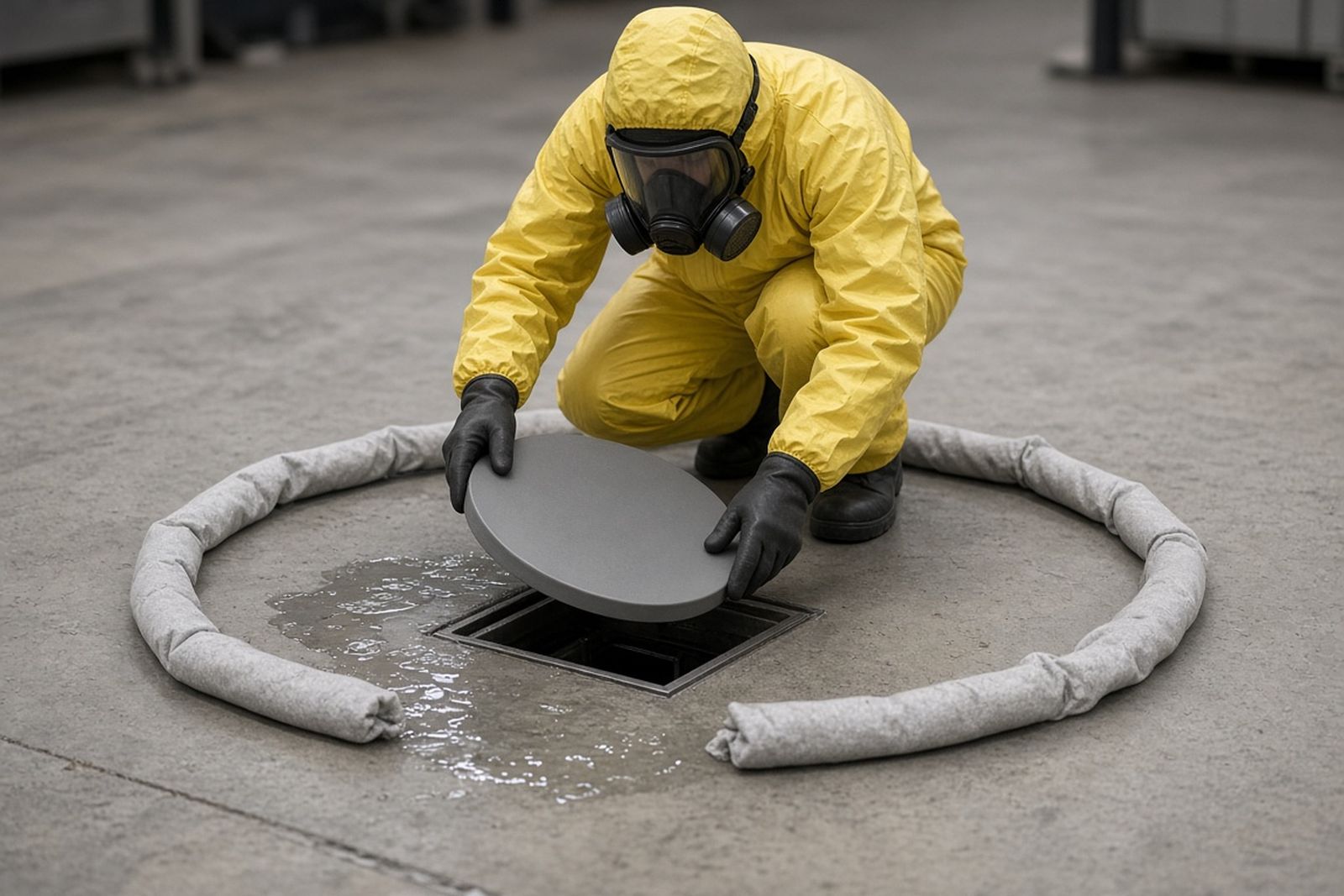
The fifth question: How do you protect drains and prevent spread? Material that reaches a storm or sewer drain can turn a small cleanup into a regulatory event. Ask how the contractor prioritizes drain protection on arrival, and whether it will help you map drains at your site in advance.
The sixth question: How do you profile, transport, and dispose of spill waste? Ask whether the contractor profiles waste itself or through a partner, which disposal facilities it uses, and who signs as generator. Ask for sample copies of the manifests and certificates you would receive.
Clarify how long waste may sit on your site in drums while profiling is completed, and who is responsible for securing it. If you are unsure how long drums may stay on site, your state environmental agency's hazardous waste program can answer that for your facility.
Ask how the contractor coordinates with fire departments and other public responders. On larger incidents, the fire department will be in charge until the emergency is controlled, and a contractor that already works smoothly with local agencies can begin cleanup sooner once released.
Questions 7 and 8: reporting and insurance
The seventh question: Will you help us understand and meet reporting obligations? Reporting duties depend on the material, the quantity, and where it went, and they can involve local, state, and federal agencies. The contractor is not your legal advisor, but an experienced one can help you gather the information agencies ask for and provide supporting documentation.
The eighth question: What insurance do you carry? Ask for certificates showing general liability, auto liability, workers compensation, and contractors pollution liability. Pollution coverage is particularly important, since standard liability policies often exclude it.
Ask whether you can be named as an additional insured, and review the certificate with your own insurance agent or risk manager.
Ask, too, whether the contractor can train a few of your staff to act as first responders for small, known spills. Many facilities find that a short, site-specific session reduces how often they need to call for help at all.
Question 9: How do you price emergency response?
The ninth question: How do you price emergency response? Ask for a rate sheet covering mobilization, labor by role, equipment, materials, and disposal. Ask how after-hours and holiday rates differ, and whether a standing agreement locks in rates for a period.
Once you have a rate sheet, keep it with your spill procedure. During an emergency, nobody wants to hunt for pricing, but having it on hand makes invoice review much simpler afterward.
Question 10: What will I receive at closeout?
The tenth question: What documentation will I receive at closeout? A complete package typically includes a narrative, photos, times, volumes, monitoring results, waste manifests, and disposal certificates. Ask for a sample closeout report from a past job with identifying details removed.
Clear documentation supports insurance claims, regulatory filings, and internal reviews. It also shows whether the contractor's work matched its promises.
- Narrative timeline of the response
- Photos before, during, and after cleanup
- Air monitoring and any sampling results
- Waste profiles, manifests, and disposal certificates
- Crew roster and roles
- Recommendations for preventing a repeat
Putting the questions to work
Interview at least two or three contractors, ideally at your site. The differences tend to show quickly. One may handle only petroleum products. Another may cover a wider range of materials but be unable to produce a sample closeout report. A stronger candidate will usually offer to walk the property, mark every storm inlet on a site map, recommend drain covers near generators and loading docks, and hand over a rate sheet and insurance certificates without being chased.
Once you choose, make the choice visible. Post the dispatch number on each spill kit, add it to the emergency procedure, and make sure the people most likely to discover a leak, such as maintenance staff and on-site engineers, know it. The goal is that whoever finds a leaking truck or drum can cover the nearest inlet and call a number they already have, rather than searching online in the middle of an incident.
What red flags should concern me?
Some answers suggest a contractor may not be the right partner for your site. Listen closely to how specifically each question is answered.
None of these signs automatically disqualifies a contractor, but each deserves a direct follow-up question. The way a company responds to being challenged tells you a lot about how it will communicate during a real emergency.
- Vague answers about crew training or unwillingness to describe roles
- No pollution liability coverage
- No clear process for waste profiling and disposal
- Guaranteed arrival times offered without explanation of how dispatch works
- No sample documentation or reluctance to share a closeout report
- Pressure to sign a long-term agreement without a site visit
What should I do after choosing a contractor?
Put the agreement to work. Add the contractor's number to your written spill procedure, spill kits, and shift supervisor contact lists. Share your safety data sheet library and site map with the contractor.
Run a tabletop drill at least once with your team, walking through who calls whom and what happens in the first minutes. Invite the contractor if it offers to participate.
Review the relationship each year. Your stored materials, building layout, and staff change over time, and the contractor's capabilities should keep pace.
After any actual response, hold a short debrief with the contractor. Ask what went well, what slowed the crew down, and what you could change on site to make the next response faster and smaller.