Short answer
A hazmat spill on or near your property can bring fear about health, uncertainty about when you can return, business interruption, and worry about cost and liability. You can manage the stress by getting clear information from responders, keeping a single contact and written timeline, documenting everything, planning for displacement, and seeking medical or emotional support when symptoms or worry persist.
Why a chemical spill feels so frightening
Most emergencies have a visible shape. You can see a fire or a flood. A chemical spill is different. The danger may be a vapor you cannot see, an odor you cannot identify, or a liquid that has already soaked into soil or concrete. That invisibility makes it hard to know how worried to be.
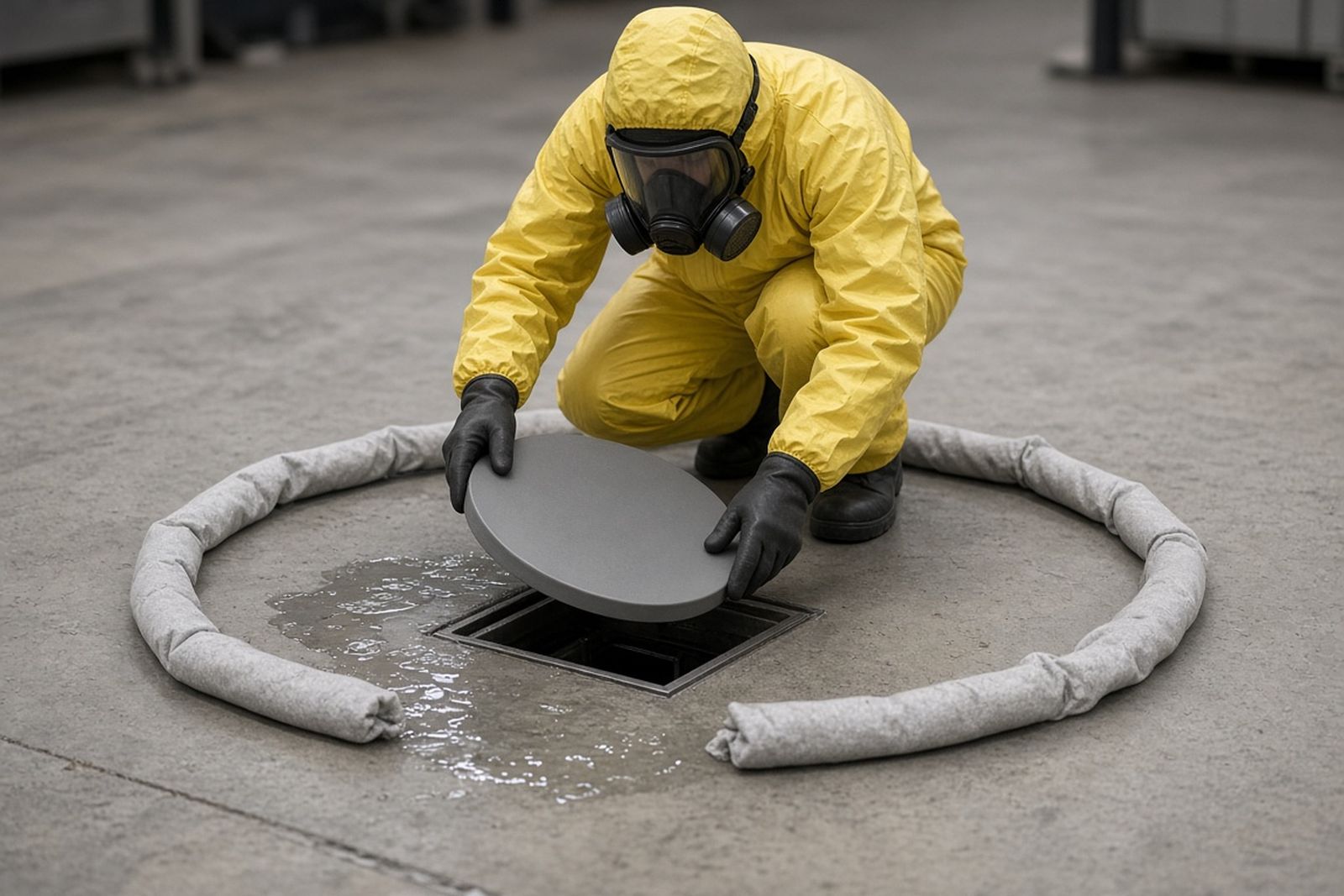
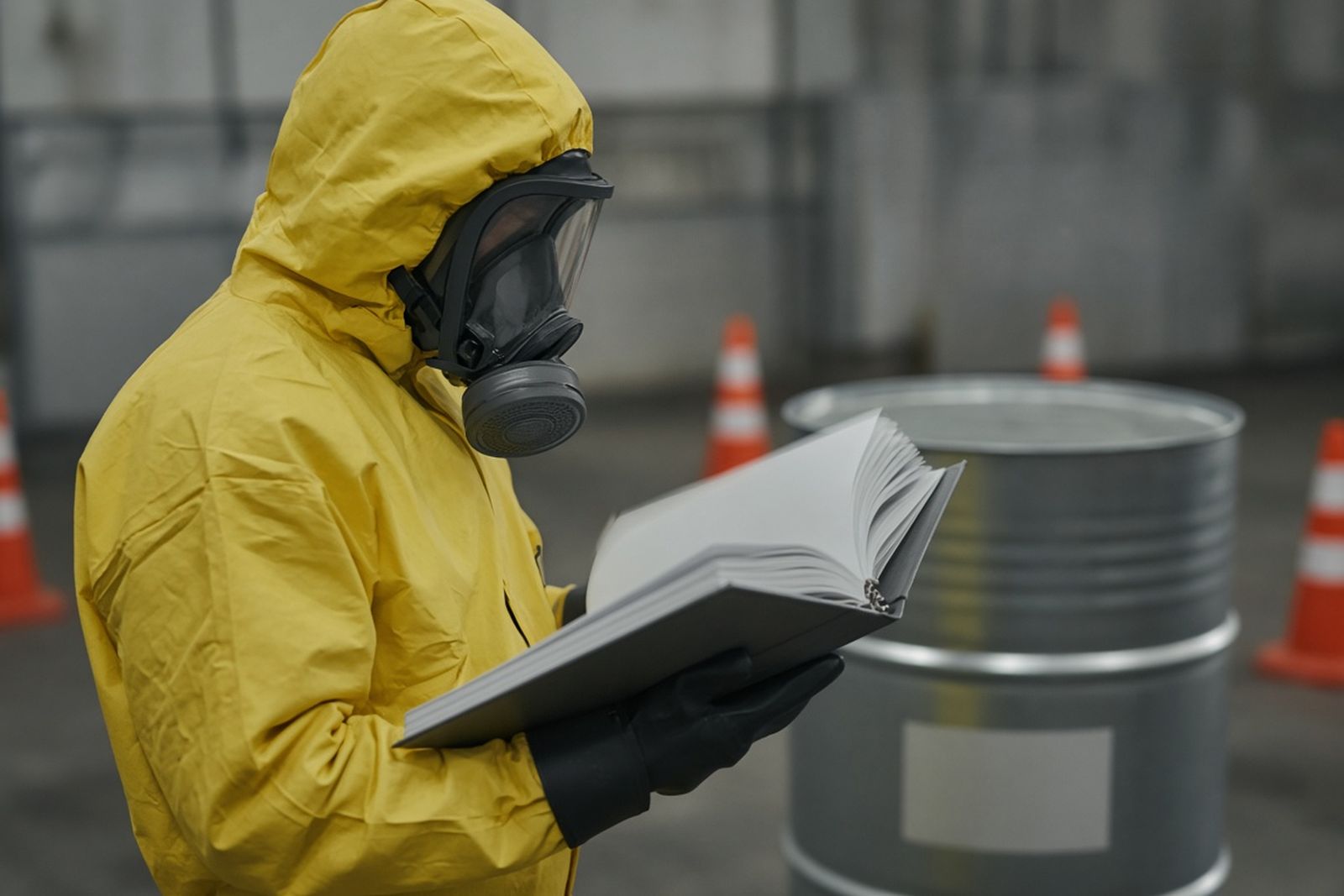
The response itself can add to the fear. Fire trucks, caution tape, and crews in full protective suits send a strong signal that something serious is happening, even when the actual risk to you is limited. It is natural to wonder what they know that you do not.
Health worries are common after spills, even when exposure was brief. After a mercaptan spill in Eight Mile, Alabama, a community health assessment by Behbod and colleagues published in 2014 found that 36.5% of residents overall sought medical care for odor-related symptoms. Odors can cause real discomfort such as headaches and nausea, and they can also raise anxiety about longer-term harm.
If you feel on edge, that response makes sense. The goal is not to stop worrying entirely but to replace uncertainty with information you can act on.
How do I get reliable information during the response?
In the first hours, information may come from many directions: fire officials, police, the spill contractor, an environmental agency, your insurer, neighbors, and social media. Some of it will conflict. Focus on official sources and the contractor's supervisor.
Ask the incident commander or contractor supervisor a few specific questions. What spilled, as far as they know? What are the immediate health concerns? When will air monitoring results be available? Who decides when it is safe to return? Write the answers down with the time and the name of the person who gave them.
If you do not understand an answer, ask again. Responders are used to questions, and a good supervisor will explain in plain terms. If you have a medical concern, such as asthma, pregnancy, or a heart condition, say so. It may change the advice you receive.
- What material spilled, and is it confirmed or suspected?
- What symptoms should I watch for?
- Who is monitoring the air, and when will results be shared?
- Who decides when people can return?
- Who should I call with questions after the crew leaves?
Leaving your home or closing your business
Evacuation or shelter-in-place orders are among the most stressful parts of a spill. You may leave with only what you can grab, not knowing when you will be back. Unlike a storm, a spill rarely comes with any warning, so there is no time to plan the departure.
You cannot control the warning you receive, but you can prepare for the time away. Keep a go-bag with medications, chargers, copies of key documents, and a change of clothes. Know where your pets will go. If you run a business, keep a contact list for employees and key customers somewhere outside the building.
While you are displaced, ask for regular updates on a set schedule, even if the update is that nothing has changed. Knowing when you will next hear something can ease the urge to check constantly. Keep receipts for hotel stays, meals, and other costs, since your insurer or the responsible party may ask for them.
Coping with health worries
It is common to notice every headache or cough in the days after a chemical incident and wonder whether it is connected. Take symptoms seriously without assuming the worst.
If you have symptoms, contact your doctor and tell them what spilled, if known, and how you were exposed. Bring the safety data sheet or any information responders gave you. Poison control centers can also answer questions about specific chemicals at any hour.
Ask the contractor or agency for air monitoring and cleanup results once the job is complete. Seeing the data that supported reentry can be reassuring. If you still feel uneasy in the space, it is reasonable to ask whether a follow-up check can be done.
Cost and liability worries
For many property owners, the heaviest long-term stress is financial. Who pays for the response? Will insurance cover it? Could you be held responsible for contamination that spread to a neighbor's property or a storm drain?
The answers depend on the source of the spill, your policy, and state rules. If a trucking company or another business caused the spill, it may be responsible for costs. If the spill came from your own equipment, such as a heating oil tank or stored chemicals, your insurer and possibly a state cleanup fund may be involved. Your state environmental agency can tell you whether such a fund exists and whether your situation qualifies.
Keep every document: incident reports, contractor invoices, daily logs, photos, and correspondence. Ask the contractor for a clear breakdown of costs. If the situation is complex or involves another party, consider talking with an attorney who handles environmental or property matters. Having a professional on your side can ease the feeling that you must figure everything out alone.
Try to set aside a specific time each day for paperwork and calls, rather than letting it spill into every hour. Containing the financial side to a set window can make it feel more manageable and leaves room for rest.
What steadies people through a spill
Owners who come through a spill with the least lasting stress rarely have more information than anyone else at the start. What they do have is a routine for gathering it. Whether the spill is a delivery truck's load of fertilizer in the parking lot or a leak from their own equipment, the same habits help.
Find out who is in charge and ask to be introduced to the spill contractor's supervisor. Ask what is known about the product, where the crew is containing it, and when the next update will come. A set interval, such as a call every few hours, gives you something concrete to wait for instead of checking constantly.
Write each update in a notebook, photograph the affected areas once it is safe, and call your insurer. If another party caused the spill, such as a trucking company, call its claims line as well. When the crew finishes, ask the supervisor to walk you through the monitoring results and the waste shipping papers.
You will still have plenty to sort out afterward. But facts, a paper trail, and a clear idea of whom to call next take much of the fear out of what remains.
How can I support employees, tenants, or family members?
If you manage a business or rental property, the people who rely on you will also be anxious. They may worry about their health, their pay, or their homes. Sharing what you know, as soon as you know it, is one of the most helpful things you can do.
Hold a short meeting or send a written update with the facts, the next steps, and who to contact with questions. Be honest about what is still unknown. People usually handle uncertainty better when they are told the truth than when they sense information is being held back.
Watch for people who seem especially shaken, such as an employee who was near the spill or a tenant with young children. Offering flexibility, a phone number for an employee assistance program, or simply a few minutes to talk can make a real difference.
Remember to include yourself in that care. Owners and managers often push through on adrenaline for days, then feel the full weight once the crew leaves. Plan for a lighter schedule in the week after the response if you can, and accept offers of help from people you trust.
Feeling at ease again, and when to get help
Even after a space has been cleared, returning can feel uncomfortable. A faint smell, a stained patch of pavement, or the memory of the evacuation can bring the worry back.
Ask for a final walk-through with the contractor so you can see what was done. Ask what to expect in the coming weeks, such as whether any residual odor is normal and when it should fade, and what signs would mean you should call back.
Give yourself time. Returning to ordinary routines, reopening the business, or spending an evening at home as usual helps signal to your mind that the emergency is over.
Most people recover from the stress of a spill as life returns to normal. If you continue to have trouble sleeping, feel constantly on alert, avoid the property, or find your worry interfering with daily life, consider talking with your doctor or a mental health professional.
If you ever feel overwhelmed to the point of thinking about harming yourself, call or text 988 to reach the 988 Suicide and Crisis Lifeline. Help is available at any hour, and reaching out is a sign of strength.