Short answer
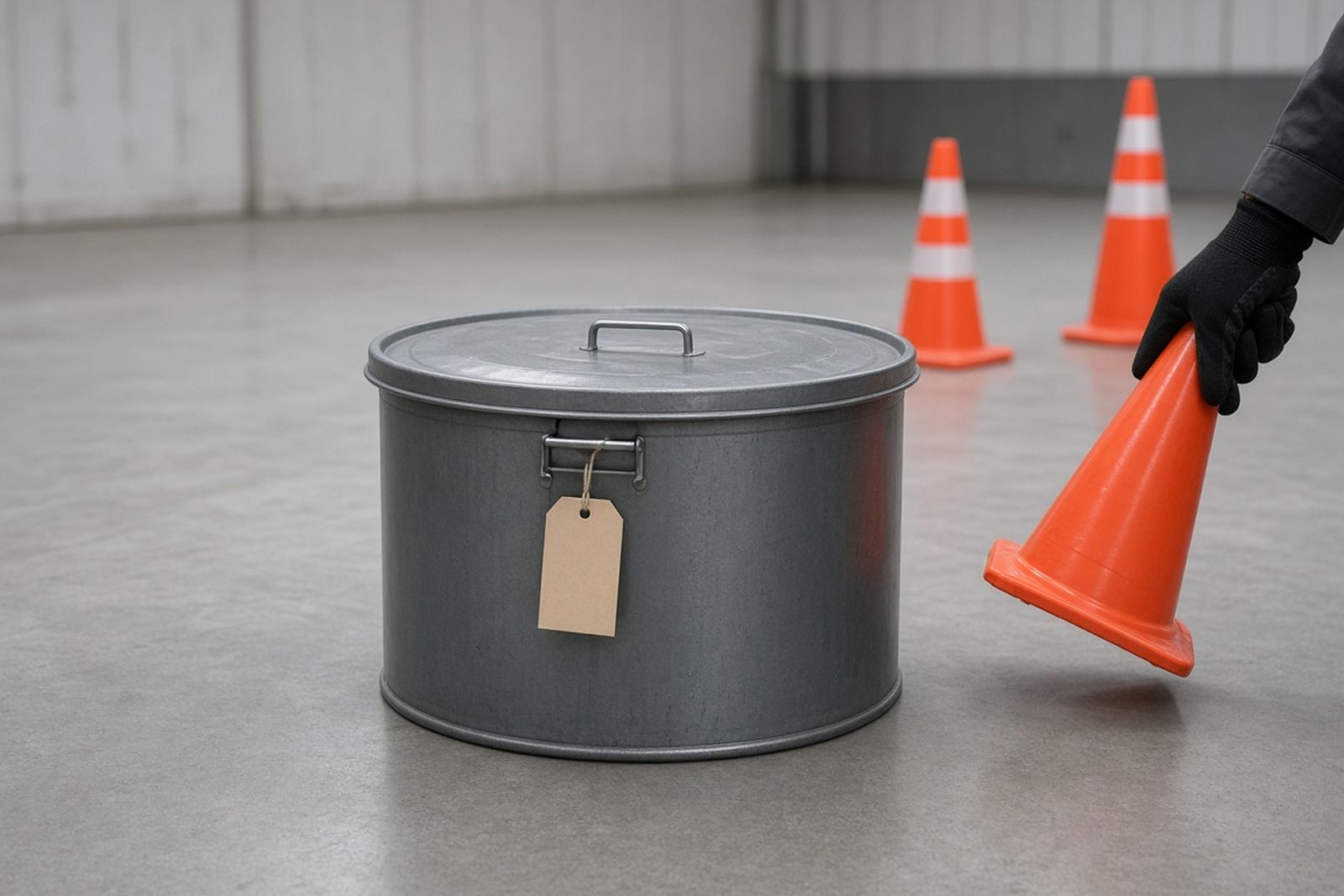
Hazmat spill response cost is driven by what spilled, how much, where it went, and how long it took to contain. A small fuel drip on sealed concrete is a short job. A solvent release that reached a storm drain or soil can require excavation, sampling, regulator oversight, and hazardous waste disposal. Containment speed and a clear safety data sheet often matter most.
Why spill response is not priced like cleaning
Routine janitorial work assumes the material is known and safe to handle with standard products. A spill response assumes neither until someone qualified has checked. That shift changes everything: crew training, protective equipment, monitoring instruments, waste handling, and paperwork.
Response contractors also carry costs you do not see on a normal cleaning invoice. Trucks stocked with absorbents and containment gear, air monitoring equipment, respirator programs, medical surveillance for workers, and pollution liability insurance all sit behind the hourly rate.
The result is that even a modest spill can produce a bill that surprises a facility manager used to routine cleaning prices. Understanding the drivers helps you control what you can and plan for the rest.
How much does the material itself change the price?
The chemistry determines the protective equipment, the absorbents, the decontamination steps, and the disposal route. Each of those has a cost.
An unidentified substance is often the most expensive at the start, because the crew must assume the worst until sampling or documentation proves otherwise. Having safety data sheets organized and easy to find can shorten that phase considerably.
Mixtures raise costs too. When two incompatible products leak into the same area, such as an acid near a bleach-based cleaner, the crew must manage a potential reaction before it can begin cleanup. Storing incompatible materials apart is one of the cheapest ways to keep a future spill simple.
- Petroleum products like diesel, gasoline, and hydraulic oil: common, well understood, but flammable and prone to spreading into drains
- Acids and caustics: need neutralization and compatible absorbents, plus splash protection
- Solvents: often volatile and flammable, requiring vapor monitoring and ventilation
- Lithium battery electrolytes and damaged cells: fire and reaction risks that call for specialized handling
- Pesticides and agricultural chemicals: may carry toxicity concerns and specific disposal requirements
- Unknowns: require identification before cleanup, adding sampling and lab time
Where the spill went matters more than how much
Where the material traveled often matters more than how much spilled. A few gallons contained on sealed concrete inside a bermed area may be cleaned in hours. The same few gallons reaching a floor drain, a storm inlet, or bare soil can turn into days of work.
Drains lead somewhere. If material entered a sewer or storm system, the response may need to trace and recover it, and regulators may become involved. Soil contamination can require excavation, stockpiling, sampling, and hauling contaminated soil to a permitted facility. Groundwater involvement is more complex still.
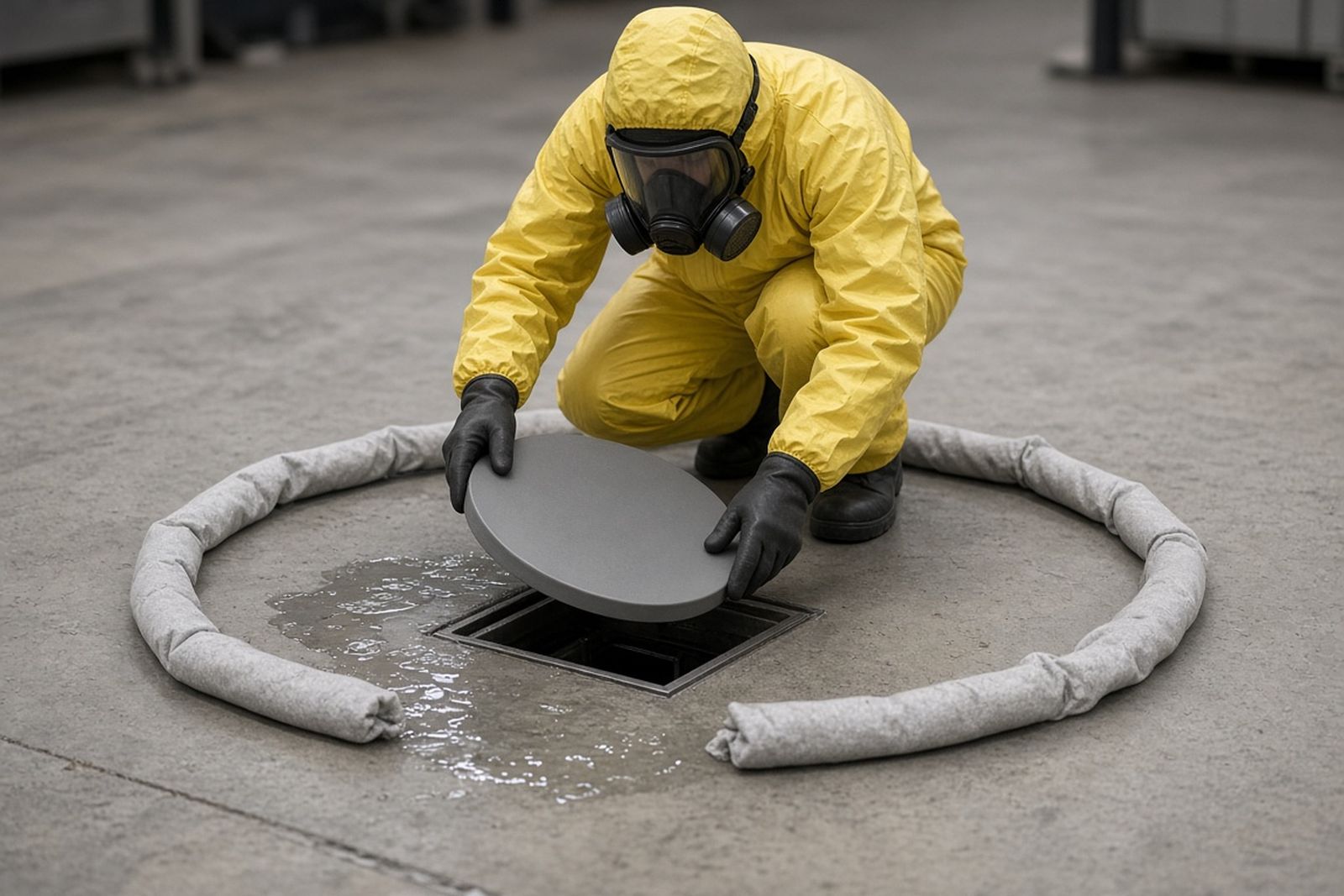
This is why the first minutes matter financially. Drain covers, absorbent socks, and a quick call to your response contractor keep the footprint small, and a small footprint is a small bill.
Outdoor spills add weather to the equation. Rain can carry material across a parking lot and into inlets within minutes, while heat can increase vapors from volatile products. A response on a stormy night will often cost more than the same response on a dry afternoon, simply because more ground must be covered.
Waste classification and disposal
Everything used to clean up a spill becomes waste, including absorbents, contaminated soil, protective gear, and rinse water. How that waste is classified determines where it can go and how much disposal costs.
Some spill debris qualifies as hazardous waste, which carries manifest, transport, and treatment requirements. Other debris may qualify as non-hazardous but still require special handling. Profiling the waste, sometimes with lab analysis, is a step you may see as its own line item.
Ask your contractor how it plans to classify the waste, who will sign as the generator, and what documentation you will receive. You remain connected to that waste after it leaves your site, so the paperwork matters.
Do reporting and regulator involvement add cost?
Reporting itself usually does not carry a fee, but missing a reporting duty can be very costly. Depending on the material, the quantity, and where it went, you may have obligations to local, state, or federal agencies, sometimes within hours.
Timelines can be strict. According to EPA and Chemical Safety Board actions summarized by Spencer Fane in 2025, facilities must report qualifying accidental chemical releases to the Chemical Safety Board within 8 hours; PG&E paid a $45,273 penalty in 2025 for a late report. Your own obligations depend on your facility and the release.
When regulators are involved, they may require additional sampling, confirmation testing, or a written closure report before the site is considered clean. Each of those adds time and cost, so ask your state environmental agency early what closure documentation it will expect.
Keep a list of the agency phone numbers that apply to your site with your spill procedure. Searching for the right number during an emergency wastes time you may not have.
One warehouse spill, line by line
A composite example shows how the line items add up. At a regional distribution warehouse, a forklift punctures a 55-gallon drum of a water-based floor cleaner concentrate near a loading dock. Some of the liquid runs toward a trench drain before a worker lays down absorbent socks.
The shift supervisor clears the area, pulls the safety data sheet, and learns the product is corrosive in concentrate form. She calls the facility's contracted spill responder and the environmental manager. The environmental manager checks whether the release, given its volume and the drain, requires a report under the site's permit and local rules.
The responder's crew arrives in protective gear, neutralizes and absorbs the product on the floor, pumps the trench drain's catch basin, and drums the waste. The invoice separates emergency mobilization, labor, materials, drain pumping, waste profiling, transport, and disposal. The manager later compares it with the cost of the spill kit and drain covers that could have stopped the liquid a few feet sooner, and orders both for every dock.
What else shows up on a spill response invoice?
Response invoices tend to be itemized, which helps you understand the job but can be overwhelming. Knowing the common categories makes review easier.
Ask for daily logs if the response runs longer than a shift. Logs show who was on site, what equipment ran, and what was accomplished, which makes it much easier to reconcile the final invoice and answer questions from an insurer or regulator.
If a line item is unclear, ask about it before paying. Most contractors are glad to explain a charge, and the conversation often reveals whether a cost was truly necessary or could be avoided next time with better preparation.
- Mobilization or call-out charges, often higher outside business hours
- Labor by crew role, such as supervisor, technician, and equipment operator
- Protective equipment and consumables used on site
- Equipment rental, including vacuum trucks, pumps, air monitors, or excavation machinery
- Sampling and laboratory analysis for waste profiling or cleanup confirmation
- Transport and disposal of waste, priced by drum, by ton, or by load
- Reporting support and documentation for regulators or insurers
Is it cheaper to have staff clean up small spills?
For small, known, low-hazard spills, trained staff with a proper spill kit are often the right first responders. Many facilities handle minor fuel or oil drips internally every week. That only works if staff are trained for the materials involved, the site has a written procedure, and waste is handled correctly.
The risk comes when untrained people handle something they do not understand. An injury, a fire, or an improper disposal can cost far more than a contractor call.
Drawing the line between staff and contractor
A practical approach is to define in writing which spills staff may handle and which require the contractor. Base that line on material, volume, and location, and train to it.
After any internal cleanup, restock the kit right away and note what was used. An empty spill kit discovered during the next release turns a small incident into an expensive contractor call.
Planning and budgeting before a spill
The best cost control happens in advance. A standing agreement with a response contractor sets rates and response expectations before an emergency, so you are not negotiating while a drum leaks.
Walk your site with the contractor. Identify drains, berms, storage areas, and likely spill points. Match spill kits to what you actually store, keep safety data sheets organized, and label drain covers where they will be used.
Finally, review your insurance. Many commercial policies exclude pollution, so ask your agent whether you have pollution liability coverage and what it would pay for. Knowing that answer before a release lets you make faster, calmer decisions when one happens.