Hazmat Spill Response: Costs & Insurance
Decision-focused information about hazmat spill response scope variables, estimate comparison, documentation, and policy questions. Coverage depends on the triggering peril, policy language, limits, exclusions, deductible, and carrier review.
Cost and insurance posts explain what shapes a spill response bill. They also explain how coverage questions tend to play out. Articles break down cost drivers. Examples are callouts after business hours, naming unknown products, waste testing and disposal, drain or soil work, and testing needed to reopen. You will also find help with comparing bids that look very different and reading exclusions in property policies. Other posts help you see when pollution or environmental coverage may matter for you. Posts also cover how disposal site fees and lab tests on unknowns can change a final bill. And they explain why homeowners insurance questions differ from business ones.
Get an email reply about hazmat spill response
Send a short message to the follow-up inbox. A coordinator can reply by email. This form does not send emergency help; call 911 first if anyone is in danger.
Money questions often come up after the emergency is over. That is when bills, agency requests, and claim forms all arrive at once. Knowing how pricing works and which policy might pay helps you in several ways. You can ask for scopes with each item listed and keep receipts and waste shipping records in order. You can also bring your broker in early, instead of finding a coverage gap weeks later. You will also learn which records insurers often ask for, such as waste shipping records, time logs, and photos. And you will learn why a list of line items is easier to review than one lump sum. Sorting those papers while the response is going on spares you from piecing events together from memory when an adjuster calls.
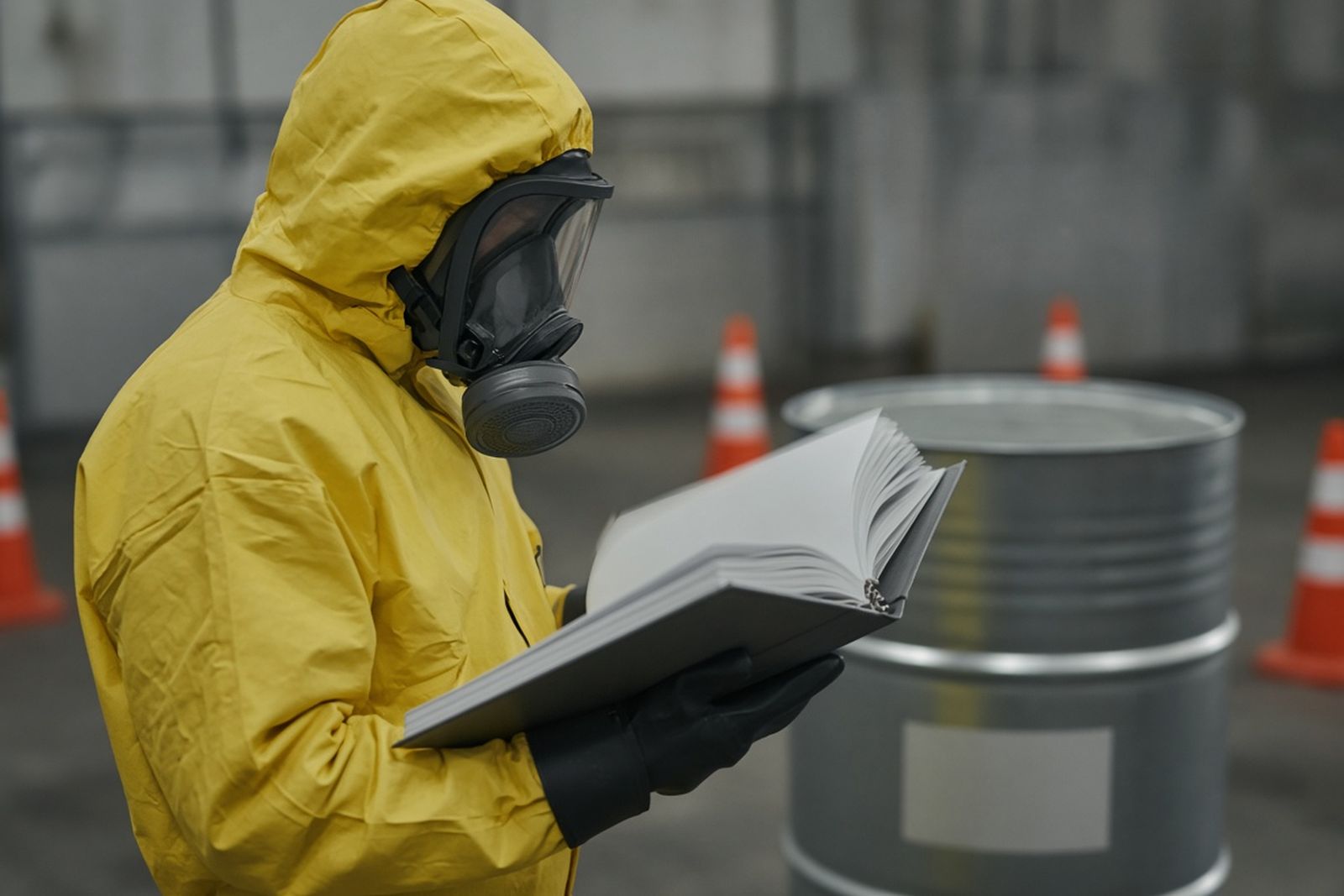
What Drives Hazmat Spill Response Cost?
Spill response cost depends on the material, the volume, where it traveled, and how the waste is classified. See what moves a chemical or fuel cleanup bill.
Hazmat spill response cost is driven by what spilled, how much, where it went, and how long it took to contain. A small fuel drip on sealed concrete is a short job. A solvent release that reached a storm drain or soil can require excavation, sampling, regulator oversight, and hazardous waste disposal. Containment speed and a clear safety data sheet often matter most.
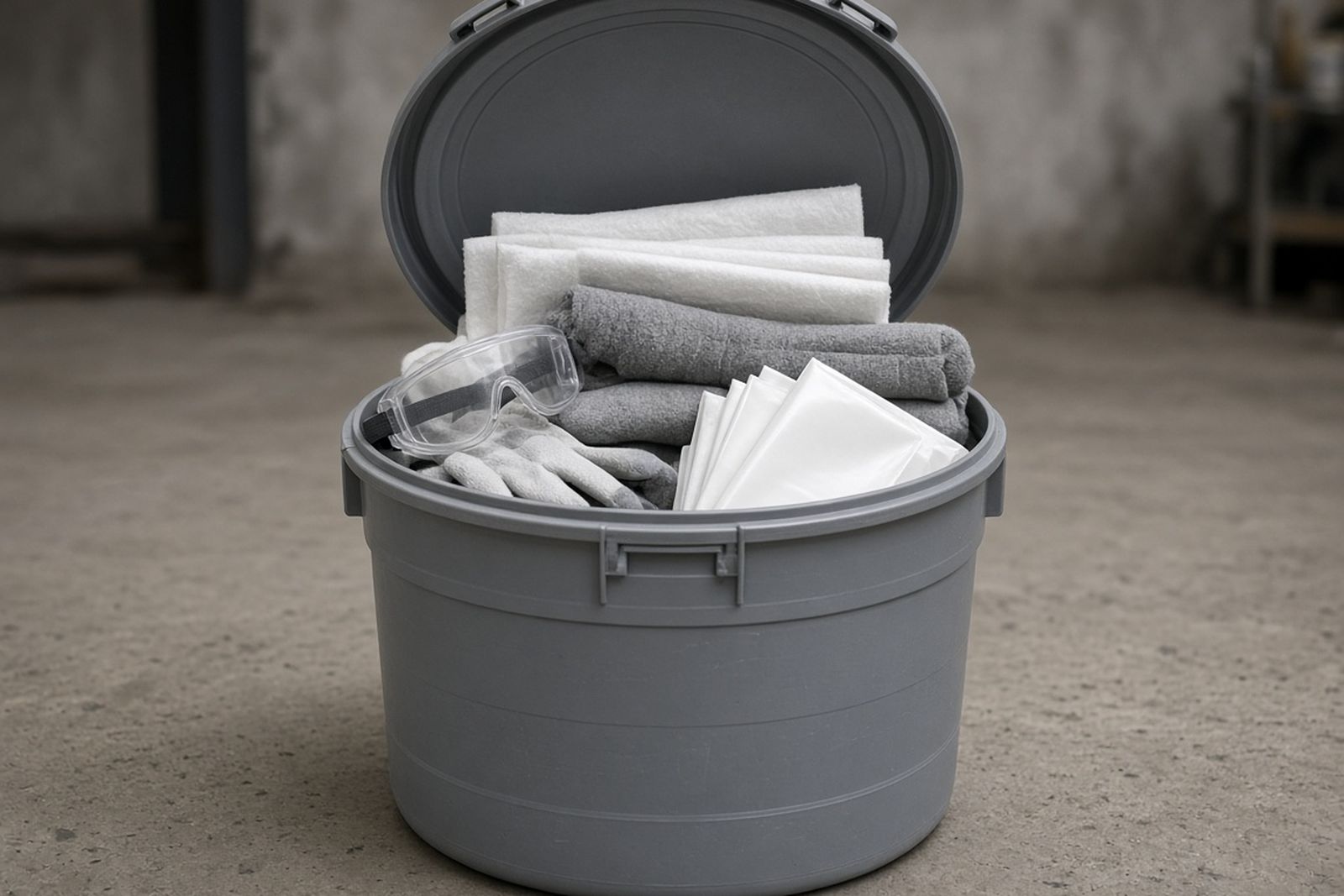
Does Homeowners Insurance Cover Hazmat Spill Response?
Pollution exclusions shape almost every chemical or fuel spill claim. Learn how carriers view heating oil leaks, garage spills, and business releases.
Often less than people expect. Most homeowners policies contain a pollution or contaminant exclusion that can limit payment for fuel, oil, and chemical spills. Some carriers still evaluate cleanup when the spill follows a covered event such as a fire, or when you bought an endorsement. Businesses usually need separate pollution coverage. Ask your carrier for a written position before a contractor begins.
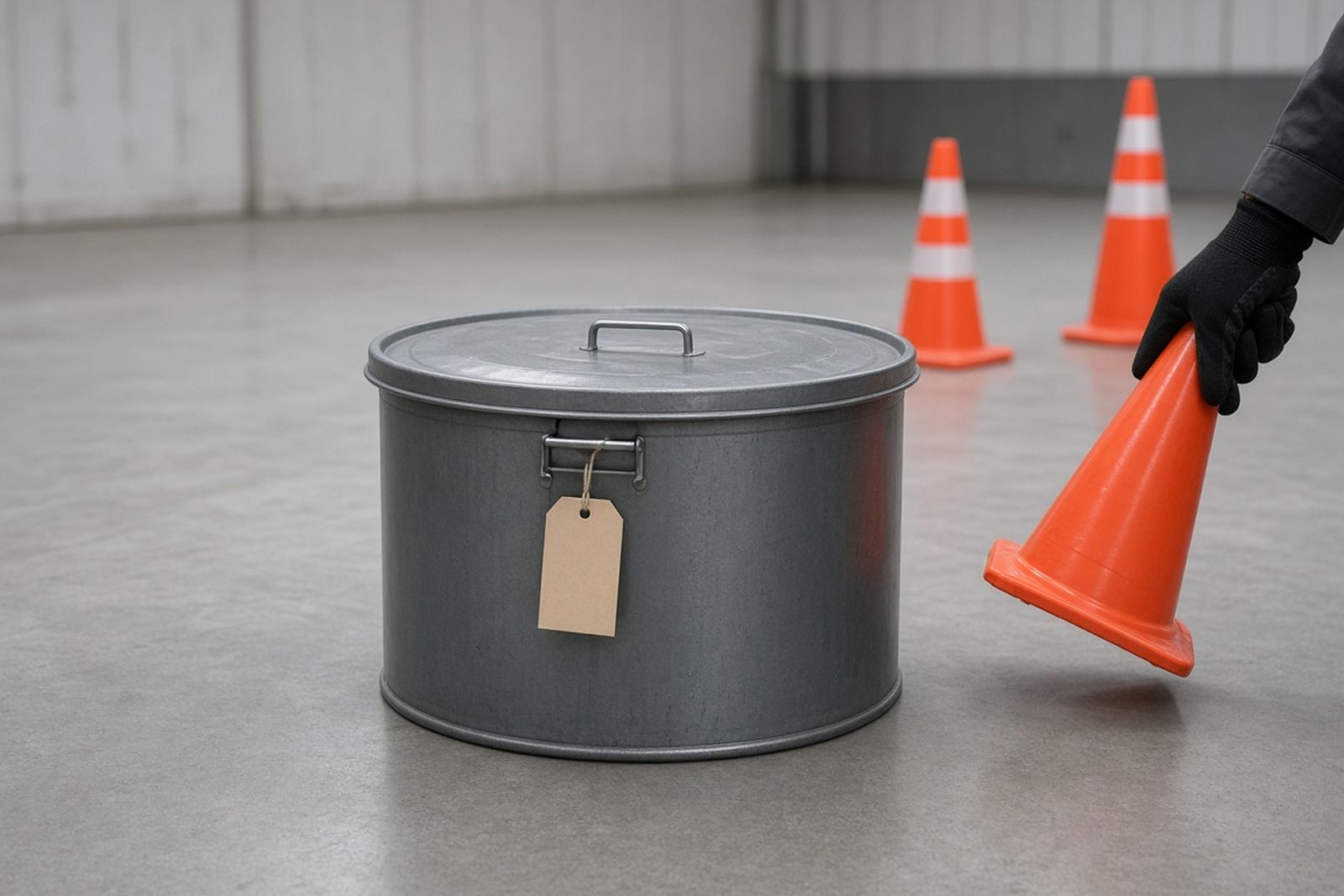
How to Compare Low and High Hazmat Spill Response Bids
Spill contractor bids differ on crew size, PPE level, monitoring, and waste pass-through costs. Learn to compare hazmat response rate sheets on equal terms.
Compare hazmat spill response bids by rebuilding each on the same scope: crew size and training level, protection level, air and water monitoring, equipment, materials, waste profiling, transport and disposal, lab work, and reporting. Check markups on pass-through costs and after-hours multipliers. A lower number that assumes fewer technicians, lighter protection, or disposal at cost can finish as the more expensive and riskier choice.
Sourced figures on costs & insurance
- 8 hours
Facilities must report qualifying accidental chemical releases to the Chemical Safety Board within 8 hours; PG&E paid a $45,273 penalty in 2025 for a late report.
Read with care: Law-firm summary; applies to releases causing death, serious injury or substantial damage.
Source: EPA/CSB (via Spencer Fane) (2025)United States, 40 CFR Part 1604; first enforcement settlement July 2025
- 8 / 24 hours
Emergency responders at the first-responder operations level require at least 8 hours of training, and hazardous materials technicians at least 24 hours.
Read with care: Competency, not just hours, is the regulatory test.
Source: OSHA (2024)United States, 1910.120(q)(6)
- $540.23 million per year
EPA estimated monetized damages from RMP facility accidents at $540.23 million per year, including $454.58 million in on-site property damage.
Read with care: EPA notes many accident costs, such as responder costs, are not required to be reported.
Source: EPA (2024)United States RMP facilities, 2016-2020 baseline
These figures are public research and agency data, not this network's own job records. Keep each number with its population, year and limits; none of them predicts cost, timing or outcome at a specific property.
What research has found
Findings from published studies of people and properties in situations like this one. They describe what researchers observed in a specific group; they are not predictions for your case.
Cleanup began while residents were already exhausted by the flooding itself.
Nearer-zone residents reported greater odor severity.
Costs & Insurance: common questions
Will my property insurance cover a chemical spill cleanup?
Many standard property policies have pollution exclusions. So coverage for a chemical or fuel spill is not guaranteed. Some businesses carry separate pollution or environmental policies, and add-ons vary. Tell your broker early. Share the contractor's scope and records, and read the policy wording together. In the end, the insurer decides what is covered under your contract.
Why do spill bids for the same incident vary so widely?
Bids may be based on different guesses. These include how the product will be named, how the waste will be classified, which disposal site is used, whether soil or drains are involved, and what testing is needed. One contractor may include items that another lists as possible extras. Ask each bidder to list labor, equipment, absorbents, waste handling, and testing. Ask them to explain what could change once the full size of the spill is known.
Who pays when a delivery driver spills fuel on my lot?
The trucking company and its insurer are often responsible. But the details depend on contracts, the cause, and the rules that apply. Record the scene, collect the driver's company details and shipping papers, and notify your own broker. Your contractor's itemized records help sort out who pays what. Legal questions about who is at fault belong with a lawyer.
Should spill response be in our budget even if we have never had a spill?
It is worth planning for, especially if you store fuel or chemicals or have loading docks and vehicle areas. A budget can cover prevention, such as kits, drain covers, and training. It can also cover a reserve or known deductible for a response. A standing contractor agreement with set rates makes the likely cost of a response easier to guess.
Can I ask my insurer before a spill what cleanup it would cover?
Yes, and it is a good idea. Ask your agent or broker to explain in writing how your policies treat chemical and fuel spills. That includes pollution exclusions, add-ons, and any lower limits for certain losses. Ask if the insurer needs notice before cleanup, has preferred contractors, or needs to inspect first. The answer is not a promise about a future claim, but it removes many surprises.
Does business interruption coverage respond to a spill-related closure?
It depends on your policy. Some coverage for lost business needs physical damage from a covered cause. A pollution exclusion may affect whether a spill counts. Closures ordered by the government and coverage tied to other businesses have their own conditions. Ask your broker to review the wording with you. Keep records of lost income and extra costs in case a claim is possible.
Who pays when a spill is found after a tenant moves out?
Review the lease for environmental clauses, move-out condition rules, and terms about who covers losses. Check whether a move-in inspection recorded the space. Photograph and record the spill before cleanup. Notify the former tenant in writing. Your own insurer may need notice too. A lawyer can advise on getting costs back from the tenant or its insurer.
Related community polls
Every count is a real visitor vote; nothing is seeded or padded. One vote per poll per device, and you can change your answer.
How prepared is your site for a chemical or fuel spill right now?
In your most recent spill, what was the first action taken?
More on hazmat spill response
Hazmat Spill Response services
Learn how spill response works for chemicals, fuel, oil, and unknown products. It runs from closing off the area and reading the SDS to waste disposal and reopening.
Costs explained
What drives the price, published cost ranges, and how to read a written quote line by line.
Insurance and payment
Which policies may respond, how to document a claim, and what to do if coverage is denied.
Planning tools
Hands-on planners help you order the first day, judge staff risk, check contractors, sort spill waste, and organize a claim.
Community polls
Compare your spill planning and response choices with facility, fleet, and property managers who faced similar spills and learned from them.
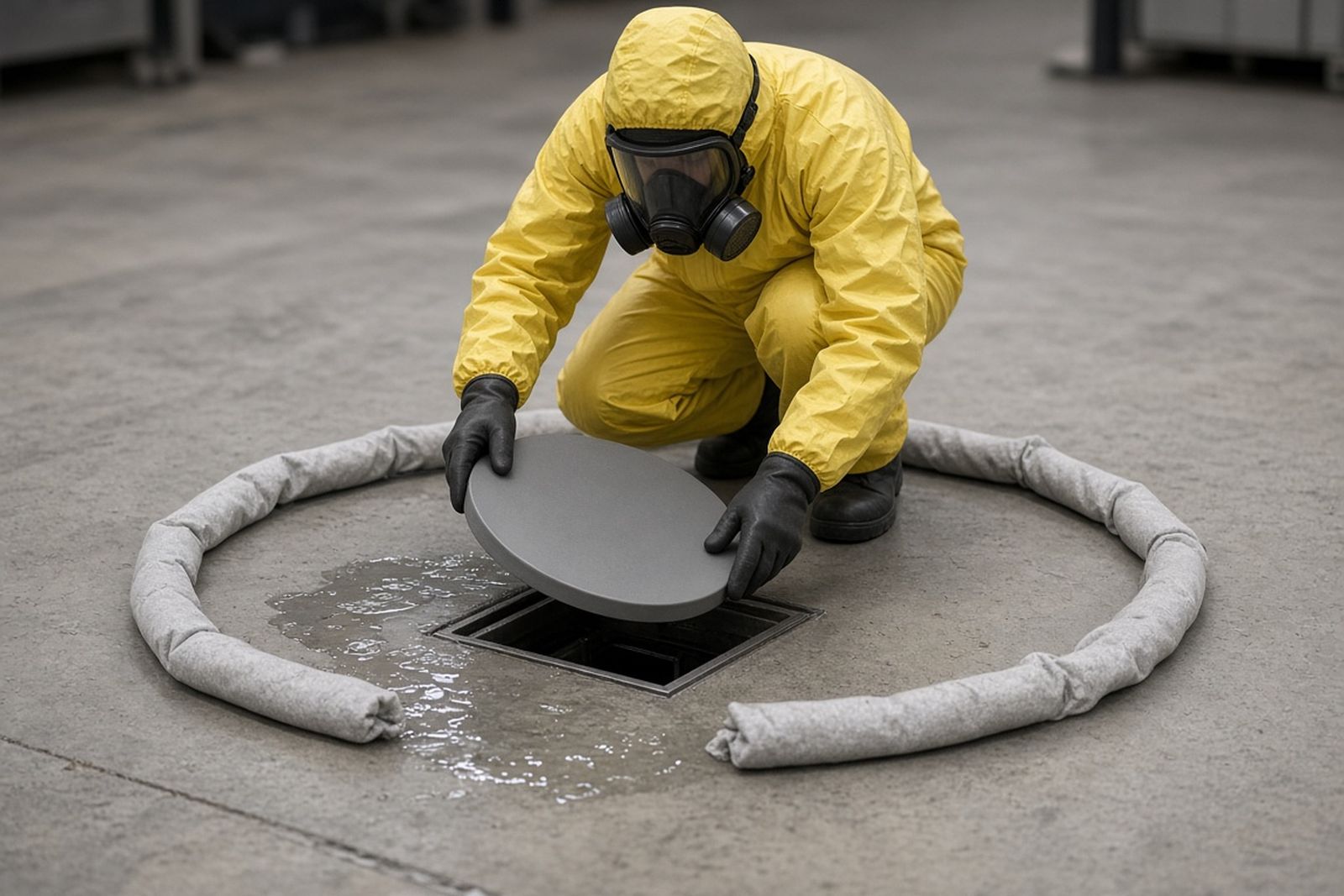
Knowledge quiz
Check what you know about spotting hazards, who is in charge, containment, cleanup, waste, and records with a short quiz for managers.
City guides
Find learning resources and spill response contractor listings for your state, county, and city. See which agencies handle spill reports there, too.