Short answer
Often less than people expect. Most homeowners policies contain a pollution or contaminant exclusion that can limit payment for fuel, oil, and chemical spills. Some carriers still evaluate cleanup when the spill follows a covered event such as a fire, or when you bought an endorsement. Businesses usually need separate pollution coverage. Ask your carrier for a written position before a contractor begins.
The pollution exclusion and where it bites
Nearly every homeowners form includes language excluding loss caused by the discharge, release, or escape of pollutants or contaminants. Fuel oil, gasoline, solvents, pesticides, and many household chemicals can fall within that definition. The exact wording, and how courts in your state read it, changes the outcome.
This is the single biggest reason hazmat spill claims surprise homeowners. A leaking heating oil tank can damage a basement, soak the soil, and require specialized cleanup, yet the policy may say little or nothing about paying for it.
Exclusions are not always absolute. Some forms carve back limited coverage when the release is caused by a covered peril, such as fire or a falling tree. Others let you buy the coverage back through an endorsement. Read your form, then ask your carrier to explain how it applies to your specific release.
Gradual leaks top the list. An aging underground or basement oil tank that seeped for years, a corroded drum in a shed, or a slow drip from a lawn mower onto a wood floor typically looks like wear, deterioration, or lack of maintenance to an adjuster.
Contamination that migrates beyond your property is another hard area. If fuel reaches a neighbor's well or a storm drain, you may face cleanup obligations from environmental regulators regardless of what your policy says. Your liability coverage might respond to a neighbor's claim in some circumstances, but the pollution exclusion often applies there too.
Finally, many policies exclude soil and groundwater cleanup outright, even when they pay for damaged flooring or walls. That gap can be the most expensive part of a residential fuel release.
Home spills that might still be evaluated
The answer depends on how the spill happened more than what spilled. A sudden, accidental event that the policy otherwise covers gives the carrier something concrete to evaluate. A slow leak over months usually does not.
It also matters what the spill damaged. A carrier may treat a ruined rug, stained drywall, or destroyed tools differently from contaminated soil or water beneath the house. When you describe the loss, list each type of damage separately rather than calling it one spill.
- A fire in the garage that ruptures containers of paint thinner, fuel, or pool chemicals
- A tree or vehicle striking an above-ground fuel tank and causing a sudden release
- A vandalism incident in which chemicals were deliberately poured or sprayed
- A heating oil tank leak, but only if your policy includes a specific fuel oil endorsement
- A spill that damages personal property, which may be reviewed differently from soil or groundwater cleanup
One household's claim, step by step
The following example is illustrative rather than drawn from a real claim. Priya owns an older home in a northern state with a basement heating oil tank. One morning she smells fuel and finds oil pooled around the tank's base. It has spread across part of the concrete and into a floor drain.
She shuts off the burner, keeps everyone out of the basement, opens exterior windows, and avoids flipping any switches near the tank. She calls the oil company to stop deliveries and then calls a spill response contractor. Because the oil reached a floor drain, she also asks the contractor whether the release needs to be reported to the state environmental agency, and learns that reporting duties depend on the material, the quantity, and where it went.
Next she calls her carrier and reads her declarations page aloud to the representative. She learns she added a fuel oil release endorsement two years earlier, with its own sublimit. The adjuster evaluates the basement cleanup and tank replacement under that endorsement. Whether the drain line and any soil work are included is still under review, and Priya asks for that answer in writing before approving excavation.
What if the spill happened at my business?
Commercial property and general liability forms usually carry their own pollution exclusions, often broader than residential ones. A fuel island, loading dock, or maintenance bay spill may be excluded from both.
Lenders, landlords, and customers increasingly ask to see pollution coverage, so businesses that store or handle chemicals commonly buy a separate pollution legal liability or environmental impairment policy. Contractors who respond to spills may carry contractors pollution liability. Your agent can explain which of these you hold and what triggers each.
What to document while the response is underway
Safety comes before photos. Do not stay in an area with strong vapors, a fire risk, or an unknown substance to document it. Once the area is controlled by trained responders, you can build your record.
Environmental regulators may request the same records, so keep one organized file for both.
- Photos of the source container, the spill footprint, and any drains or soil it reached
- The product name and a copy of its safety data sheet, if the material is known
- Times: when the spill was discovered, when it was contained, and when authorities were called
- Any report or case number from the fire department or environmental agency
- The response contractor's written scope, daily logs, and waste disposal records
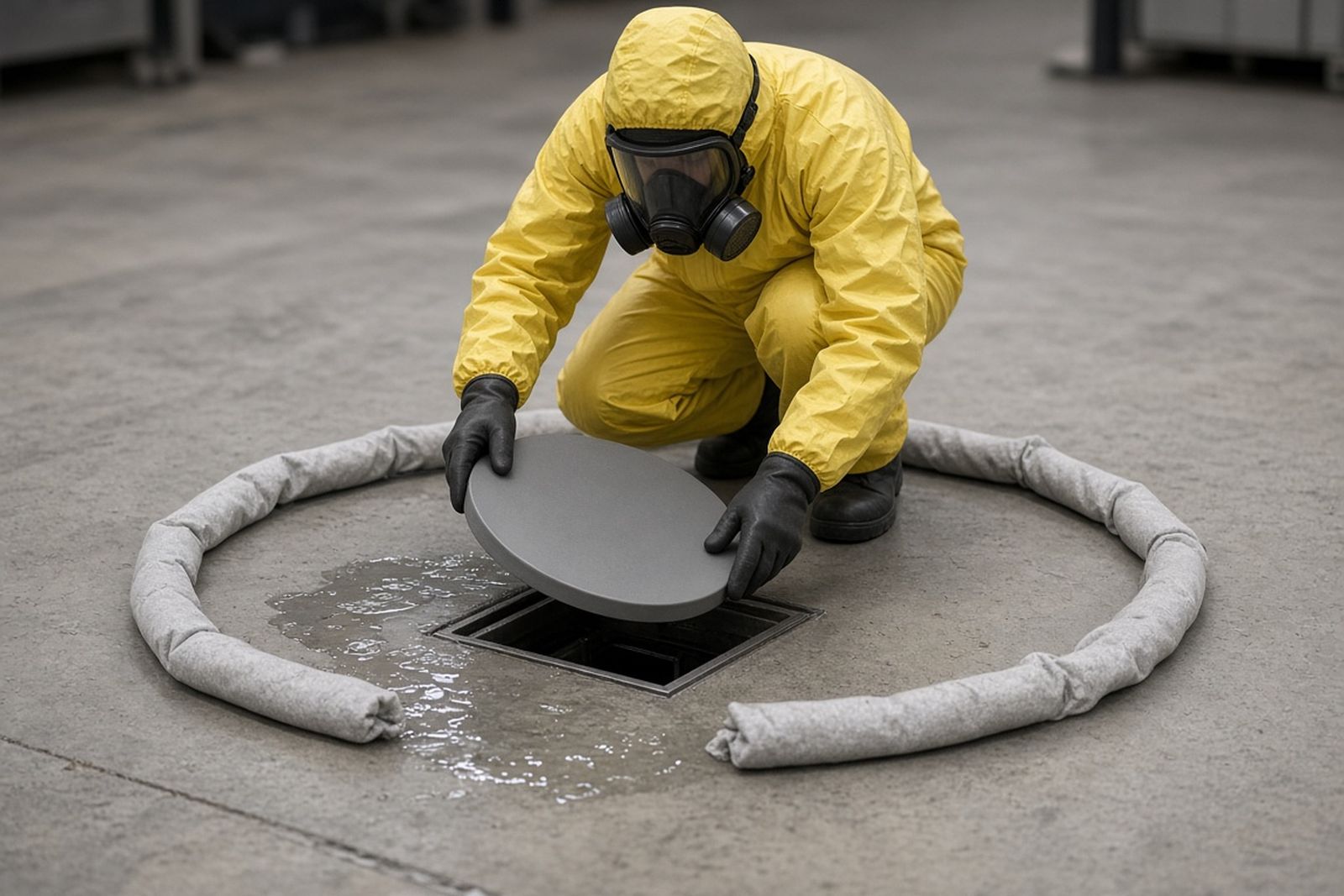
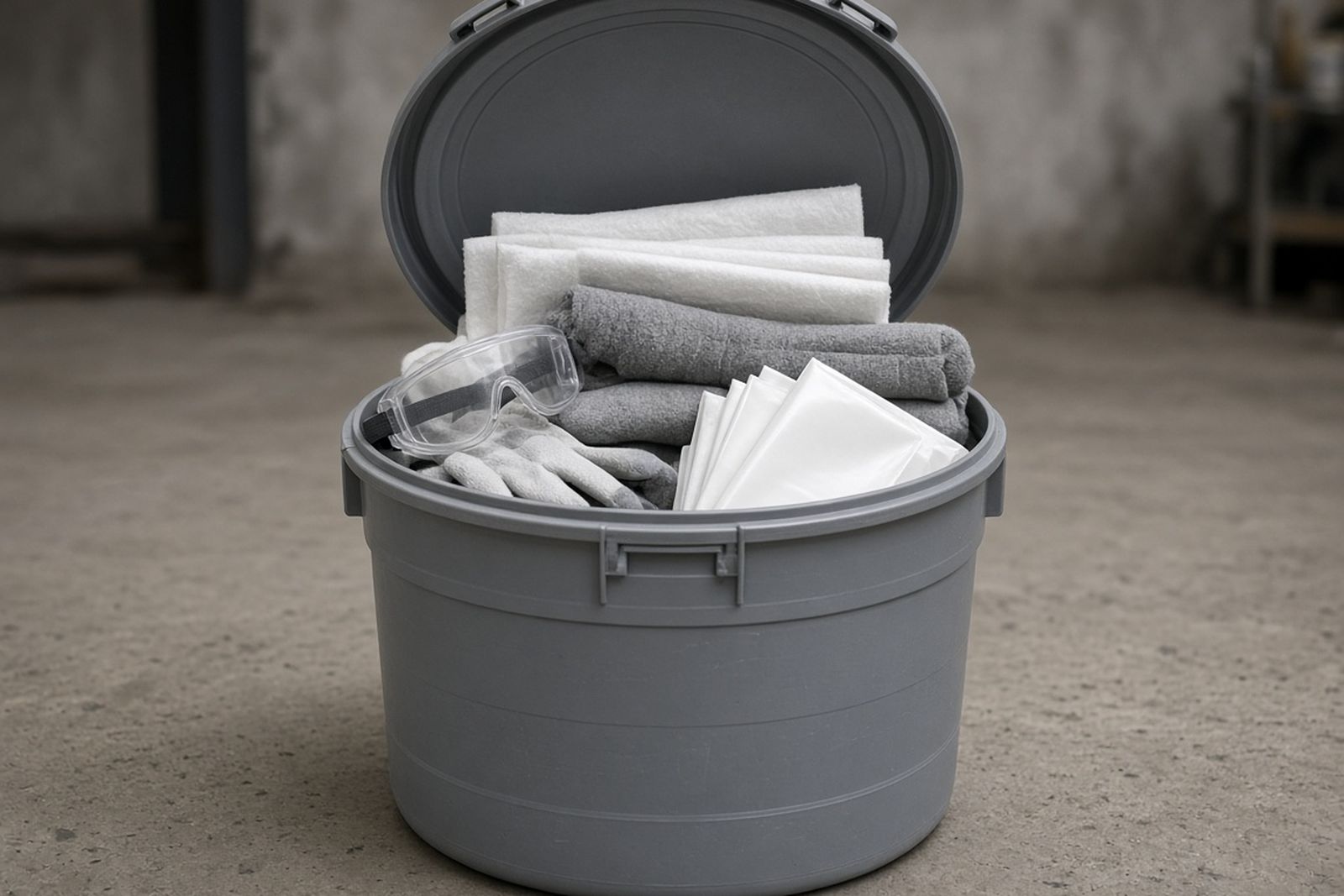
- Invoices for emergency steps, such as absorbents, drain covers, or temporary ventilation
Can the spill contractor tell me whether I'm covered?
A good contractor can describe the work clearly enough for an adjuster to evaluate. It cannot promise payment. Only your carrier can decide coverage, and only in writing does that decision become something you can rely on.
What you should expect from the contractor is a scope that separates emergency containment from longer-term remediation. Containment stops the spread. Remediation removes contaminated materials, soil, or water. Adjusters and regulators often look at those phases differently.
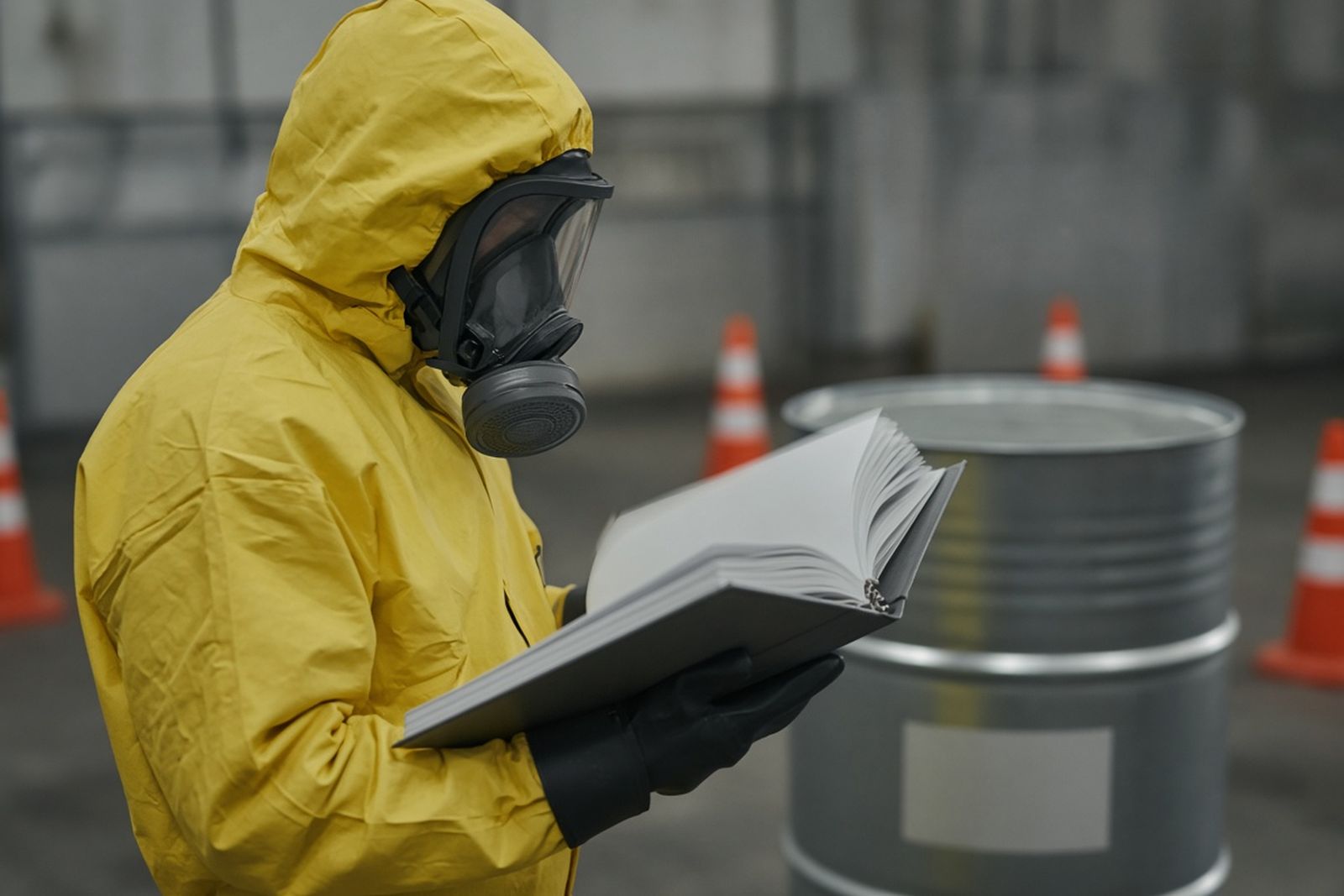
You should also expect the contractor to confirm that its crew is trained for the work. Federal rules under OSHA's HAZWOPER standard set minimum training for hazardous waste operations and emergency response. Ask how the crew assigned to your site meets the requirements that apply to this job.
Questions for your carrier before cleanup expands
Spill response can escalate quickly from mopping up a floor to digging out soil. Before each escalation, check in with your carrier so you are not surprised later.
Keep in mind that a regulator's order and an insurer's approval are two separate things. An environmental agency may require sampling or excavation whether or not your policy pays for it. Ask your contractor to flag which steps are driven by regulatory requirements and which are recommendations, so you can discuss both with the carrier honestly.
Write down the name of every person you speak with, the date, and what they told you. Spill claims can stretch over weeks, and representatives change.
- Does my policy contain a pollution or contaminant exclusion, and does any carve-back apply here?
- Do I have a fuel oil or environmental endorsement, and what is its limit?
- Is soil, groundwater, or drain cleanup handled differently from damage to the building?
- Do you need to inspect before contaminated materials are removed or excavated?
- If a regulator orders additional cleanup, how will you evaluate that work?
- Would my liability coverage respond if a neighbor claims damage from this release?
What if the claim is denied under the pollution exclusion?
Ask for the denial in writing with the exact language quoted. Pollution exclusions have been litigated for decades, and outcomes differ from state to state. A coverage attorney or public adjuster can tell you whether your situation has a reasonable argument.
Also look for coverage you may have forgotten. An endorsement added at renewal, an umbrella policy, or a state tank fund for residential heating oil may apply. Some states run programs that help homeowners with tank leaks, while others do not. Rules vary by state and county; verify with the local authority, usually your state environmental agency.
Before you sign anything with a contractor during a dispute, ask whether it will wait for payment until the coverage question is settled or expects you to pay as work proceeds. Knowing that up front helps you decide how much work to authorize while the carrier is still reviewing.
If you end up paying directly, get more than one written scope. Ask each contractor to separate required regulatory work from optional restoration, so you can prioritize what must happen first.