Hazmat Spill Response: Health & Wellness
Privacy, decision-load, trauma-aware communication, and verified support resources for people managing hazmat spill response. Educational remediation content is not mental-health treatment.
Health and wellness posts cover the human side of a chemical or fuel spill at work or at home. Articles explain which symptoms after breathing vapors or skin contact call for medical care. They cover how to talk with worried workers and neighbors. They also share ways to handle the stress and disruption of leaving a building, shutdowns, and agency follow-up. Others point to mental health resources for staff who saw an injury, a fire, or a scary moment during the incident. Articles also cover protecting homes near a spill. That includes keeping windows closed when told to and following instructions from emergency officials.
Get an email reply about hazmat spill response
Send a short message to the follow-up inbox. A coordinator can reply by email. This form does not send emergency help; call 911 first if anyone is in danger.
Spills can unsettle people even when no one is hurt. Lingering odors or rumors can keep worry high for days. Supervisors who admit those concerns, share correct facts, and make medical checks easy to get help rebuild trust. These posts support that effort alongside the technical advice elsewhere on the site. The articles also remind managers to watch for tiredness in the staff who stayed late running the response. The people handling the details often overlook their own needs. Encouraging breaks, sharing credit, and checking in over the next few weeks can make a real difference in how a team recovers.
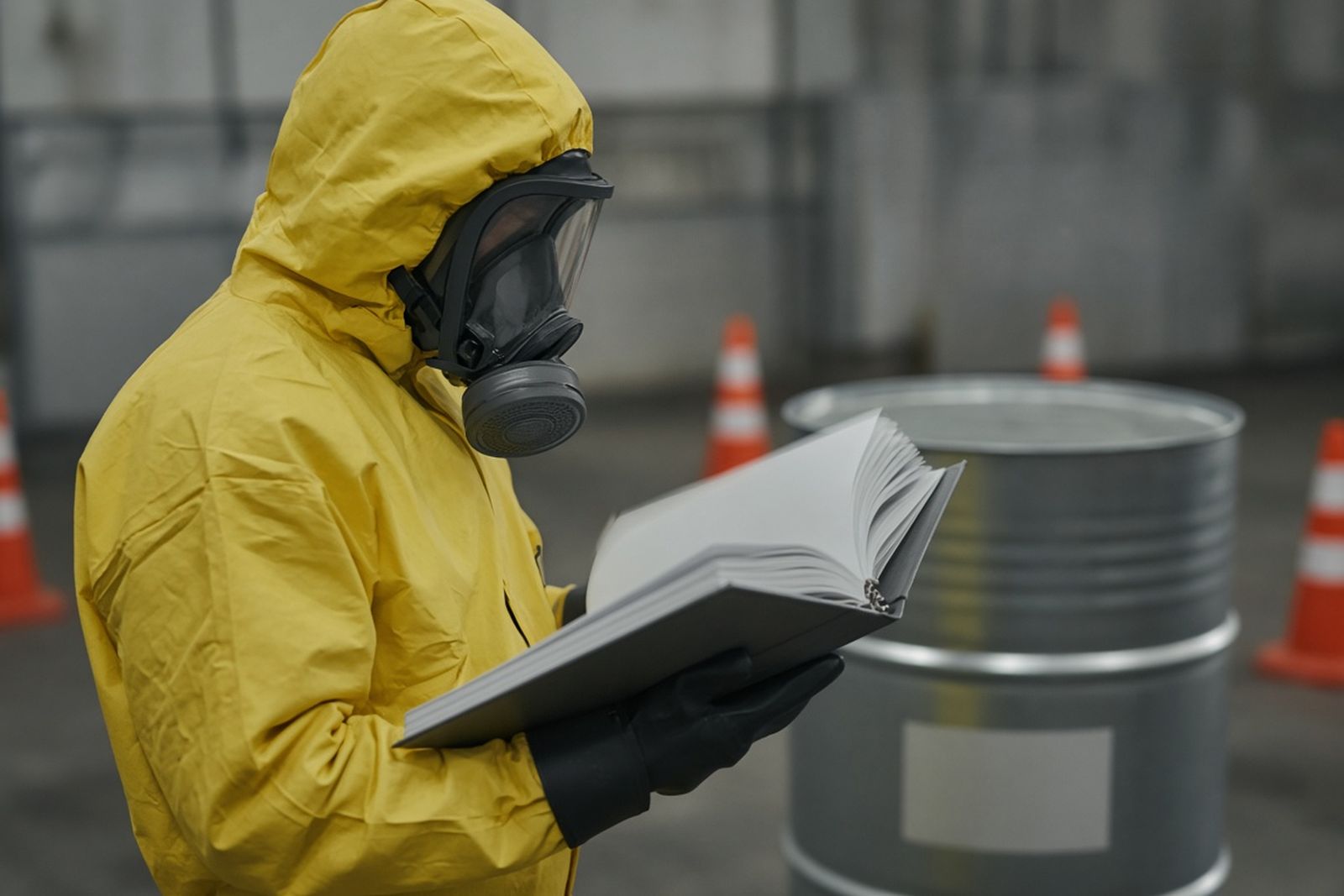
Managing Stress and Disruption During Hazmat Spill Response
A chemical spill can mean evacuation, strange odors, health worries, and a crew in protective suits on your property. Here is how to cope with the disruption.
A hazmat spill on or near your property can bring fear about health, uncertainty about when you can return, business interruption, and worry about cost and liability. You can manage the stress by getting clear information from responders, keeping a single contact and written timeline, documenting everything, planning for displacement, and seeking medical or emotional support when symptoms or worry persist.
Mental Health Resources During Hazmat Spill Response
Evacuations, lingering odors, and uncertainty about exposure can weigh on you long after a chemical spill. Here is where residents and workers can find support.
Chemical spills can cause stress that outlasts the cleanup: worry about health effects, disruption from evacuation, frustration with insurance, and guilt among workers involved. Support includes your doctor and poison control for health questions, the Disaster Distress Helpline, employee assistance programs, counselors, and the 988 Suicide and Crisis Lifeline. Clear, timely information from officials and contractors also reduces anxiety for the whole household.
Sourced figures on health & wellness
- 11,740
Approximately 11,740 facilities hold current Risk Management Plans with EPA for handling extremely hazardous substances.
Read with care: Count fluctuates as facilities register or deregister.
Source: EPA (2024)United States, RMP-regulated facilities at time of 2024 rule
- 20 rail cars
In the February 2023 East Palestine, Ohio derailment, 20 of the affected rail cars contained hazardous materials.
Read with care: Single high-profile event; not representative of typical spills.
Source: EPA (2023)Norfolk Southern derailment, East Palestine, Ohio, Feb 3, 2023
- 21%
TRI chemical releases in 2023 were 21 percent lower than in 2014, with air emissions down 32 percent.
Read with care: Trend covers routine permitted releases as well as accidental ones.
Source: EPA (2023)United States TRI facilities, 2014-2023, excluding natural gas processing
These figures are public research and agency data, not this network's own job records. Keep each number with its population, year and limits; none of them predicts cost, timing or outcome at a specific property.
What research has found
Findings from published studies of people and properties in situations like this one. They describe what researchers observed in a specific group; they are not predictions for your case.
Bench experiments showed flushing could move chemicals into the air.
The corresponding warning-related anxiety difference was not statistically significant.
Health & Wellness: common questions
When should someone see a doctor after being near a chemical spill?
Get medical care if someone has trouble breathing, eye or skin irritation, dizziness, headache, nausea, or any symptom that worries them. Bring the safety data sheet so doctors and nurses know the product involved. Poison control can also give advice. If symptoms are severe, call emergency services. Report workplace exposures through your employer's process.
How can I reassure employees who are anxious about returning to work?
Share clear facts about what spilled, how it was cleaned, and which standards were used to reopen the area. Offer a walk-through with a safety staff member and invite questions. Make it easy to report odors or symptoms afterward. Honest, specific facts usually do more to ease worry than a general promise that everything is fine.
Is it normal to feel shaken after a serious spill or fire at work?
Yes. Seeing an injury, a fire, or a chaotic evacuation can leave people feeling tense, distracted, or unable to sleep for a while. Talking with coworkers, a supervisor, or a counselor can help. Many employers offer an employee assistance program. Your own doctor can suggest more support if the feelings last.
Should I tell my doctor about a spill even if I feel fine?
It is reasonable to mention it at your next visit, or sooner if you were close to the spill or have a condition such as asthma, heart disease, or pregnancy. Bring the product name or safety data sheet. Your doctor can note it in your record and tell you what symptoms would be worth a call. Seek care promptly if anything new develops.
How can I protect children in a home where fuel or solvents are stored?
Keep products in their original labeled containers, locked or out of reach, and away from heat and living areas. Never store fuel or chemicals in food or drink containers. Keep a small absorbent supply and gloves for minor drips, and teach children to tell an adult rather than touch a spill. Save the poison help line number in your phone.
Can lingering odors after a cleanup affect sleep or mood?
Yes. Even odors that tests show are at low levels can cause headaches, nausea, or crankiness for some people. They can also keep worry alive. If odor remains after cleanup, ask the contractor to check for leftover sources and share air readings. Airing out the space, taking breaks outdoors, and talking about concerns help. See a doctor if symptoms last.
Should people with asthma avoid the building after a spill?
People with asthma or other lung conditions can be more sensitive to vapors and odors, even at low levels. It is reasonable for them to stay away until the contractor confirms the area is cleared and any odor has faded, and to keep their rescue medication with them when they return. If breathing symptoms appear, they should leave and seek care.
Related community polls
Every count is a real visitor vote; nothing is seeded or padded. One vote per poll per device, and you can change your answer.
How prepared is your site for a chemical or fuel spill right now?
In your most recent spill, what was the first action taken?
More on hazmat spill response
Hazmat Spill Response services
Learn how spill response works for chemicals, fuel, oil, and unknown products. It runs from closing off the area and reading the SDS to waste disposal and reopening.
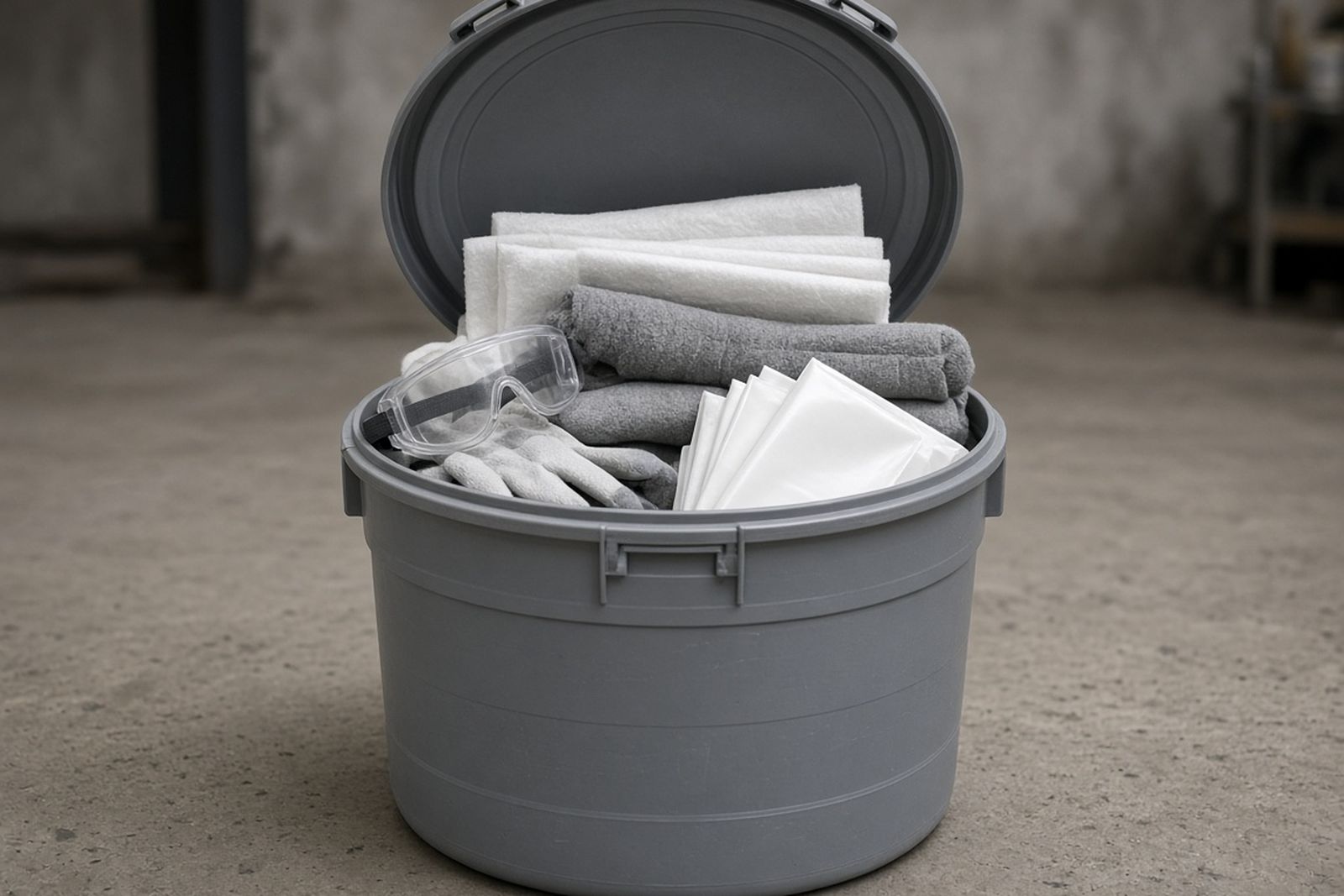
Costs explained
What drives the price, published cost ranges, and how to read a written quote line by line.
Insurance and payment
Which policies may respond, how to document a claim, and what to do if coverage is denied.
Planning tools
Hands-on planners help you order the first day, judge staff risk, check contractors, sort spill waste, and organize a claim.
Community polls
Compare your spill planning and response choices with facility, fleet, and property managers who faced similar spills and learned from them.
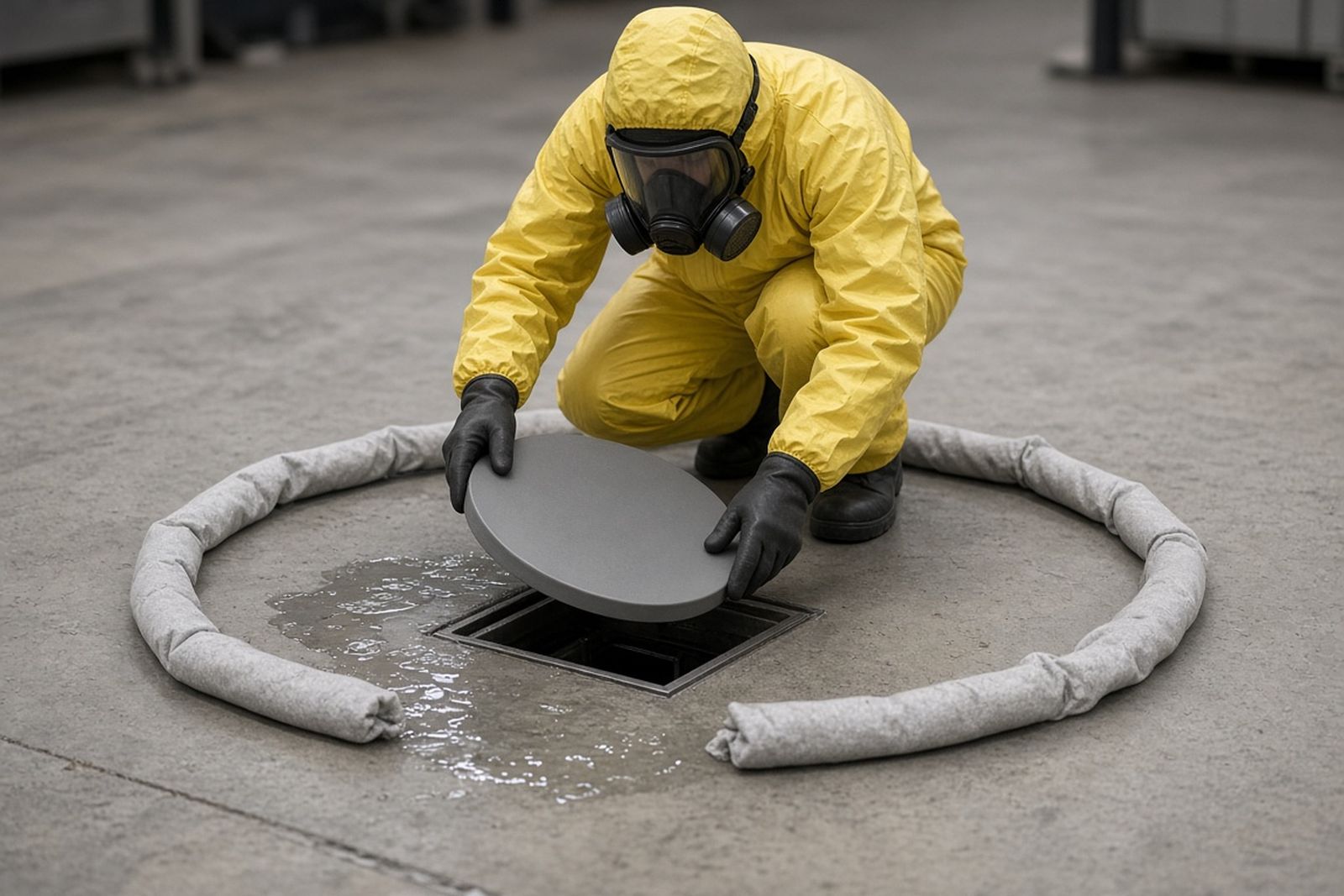
Knowledge quiz
Check what you know about spotting hazards, who is in charge, containment, cleanup, waste, and records with a short quiz for managers.
City guides
Find learning resources and spill response contractor listings for your state, county, and city. See which agencies handle spill reports there, too.