How prepared is your site for a chemical or fuel spill right now?
safety- Written plan, stocked kits, and drills0% (0)
- Plan and kits but no drills0% (0)
- Kits only0% (0)
- No formal preparation0% (0)
No votes yet — be the first
Real visitor votes, updated the moment someone answers. Never padded.
Live totals for every hazmat spill response poll on this site. A poll with only a few votes tells you very little, so treat these numbers as conversation starters and compare them with the sourced figures further down.
Send a short message to the follow-up inbox. A coordinator can reply by email. This form does not send emergency help; call 911 first if anyone is in danger.
No votes yet — be the first
No votes yet — be the first
No votes yet — be the first
No votes yet — be the first
No votes yet — be the first
No votes yet — be the first
No votes yet — be the first
No votes yet — be the first
No votes yet — be the first
No votes yet — be the first
No votes yet — be the first
No votes yet — be the first
No votes yet — be the first
No votes yet — be the first
No votes yet — be the first
No votes yet — be the first
No votes yet — be the first
No votes yet — be the first
No votes yet — be the first
No votes yet — be the first
No votes yet — be the first
No votes yet — be the first
No votes yet — be the first
No votes yet — be the first
A poll on this page shows what visitors chose when asked. That reflects their memory, their line of work, and the size of the spills they have seen. A sourced statistic comes from an agency, a reviewed study, or an industry report with a stated method. Say a poll suggests most people contained a spill with their own staff. That only describes what some visitors say they did. It is not proof that doing it in-house is typical or safe. Use polls to understand opinions and to shape questions. When you need facts you can defend in a budget request or a safety review, rely on the cited figures elsewhere on this site.
Think about who is likely voting and why. Managers who just had a bad experience are more eager to take part. So answers about contractor reliability or insurance fights may lean negative. Small numbers of votes shift easily. The category label on each poll tells you whether it is about safety, cost, process, or a judgment call. That helps you weigh it. None of this makes the results useless. It means they belong beside your own incident history, your SDS library, and your contractor's advice, not above them.
Visitors to this page are not a random sample of everyone who deals with hazmat spill response. People arrive here because they are planning, worried or curious, so the mix of answers can lean toward whoever was searching that week. Watch the vote count under each poll before you draw a conclusion, and compare what people think with the sourced figures below.
Over ten years, 52 people died and 160 were injured in hazmat incidents involving tractor-trailers in transit, with human error behind 18 percent of incidents.
Read with care: Counts depend on carrier self-reporting.
Source: PHMSA data (via CBS News) (2023)United States, PHMSA in-transit truck incidents, ten years
Reported hazardous materials transportation incidents climbed from about 15,000 to just over 21,000 per year between 2011 and 2020.
Read with care: Increase partly reflects better reporting; most incidents are small package leaks.
Source: PHMSA Incident Statistics Portal (via ICC Compliance Center) (2021)United States, all modes, 2011-2020
About 1,500 transportation incidents involving undeclared hazardous materials occur each year, totaling 11,430 over the decade to 2023.
Read with care: Training-company summary of a PHMSA infographic; aerosols, lithium batteries and paint dominate.
Source: PHMSA data (via Lion Technology) (2023)United States, PHMSA incident reports, 2013-2023
These figures are public research and agency data, not this network's own job records. Keep each number with its population, year and limits; none of them predicts cost, timing or outcome at a specific property.
Each vote adds one to the option you chose, and the page shows both the count and its share of all votes for that poll. The system keeps one answer per visitor for each poll, so voting again from the same browser and connection replaces your earlier choice rather than adding a second vote. Results are pulled fresh each time the page loads.
Facility managers, safety staff, and other visitors keep answering, and the totals update with each vote. A poll with few answers can swing after a handful of new ones. One that gets shared at a safety meeting may get a cluster of similar votes. Look at the vote count beside each option before you read much into a change. Bigger totals tend to settle.
Yes. If you return to the polls page and choose a different option, your new answer replaces the earlier one instead of counting twice. This lets you revise an answer after a drill or an incident changes your view. Your browser remembers which option you picked so the poll can show it to you when you come back.
No name, email, or account is involved. To keep one answer per visitor, the system stores a scrambled code created from technical details of your connection and browser, which cannot practically be turned back into those details. Your browser also remembers your choice locally. The results page shows only totals, never who chose what.
Very little. A handful of answers can reflect one busy week, one industry, or one group of coworkers voting together. Treat a small poll as a question worth asking your own team, not as a picture of common practice. Polls with many votes are more stable, but they still describe the people who chose to answer, not everyone who manages a site.
Look for answers that differ from what your site does, then ask why. If many respondents say they drill their spill plan and you never have, that is a prompt to schedule one. If a cost poll shows waste disposal surprises people, ask your contractor to explain disposal pricing now. Use each result to start a conversation, then decide based on your chemicals and written plan.
No. Results show how other visitors answered. They do not show what your chemicals, stored amounts, or local rules require. They cannot vouch for a contractor or predict a cleanup bill. They also cannot show whether a popular practice really worked. For those questions, use the safety data sheets for the products you store and your written spill plan. Also use your contractor and insurer and the agencies that oversee your site.
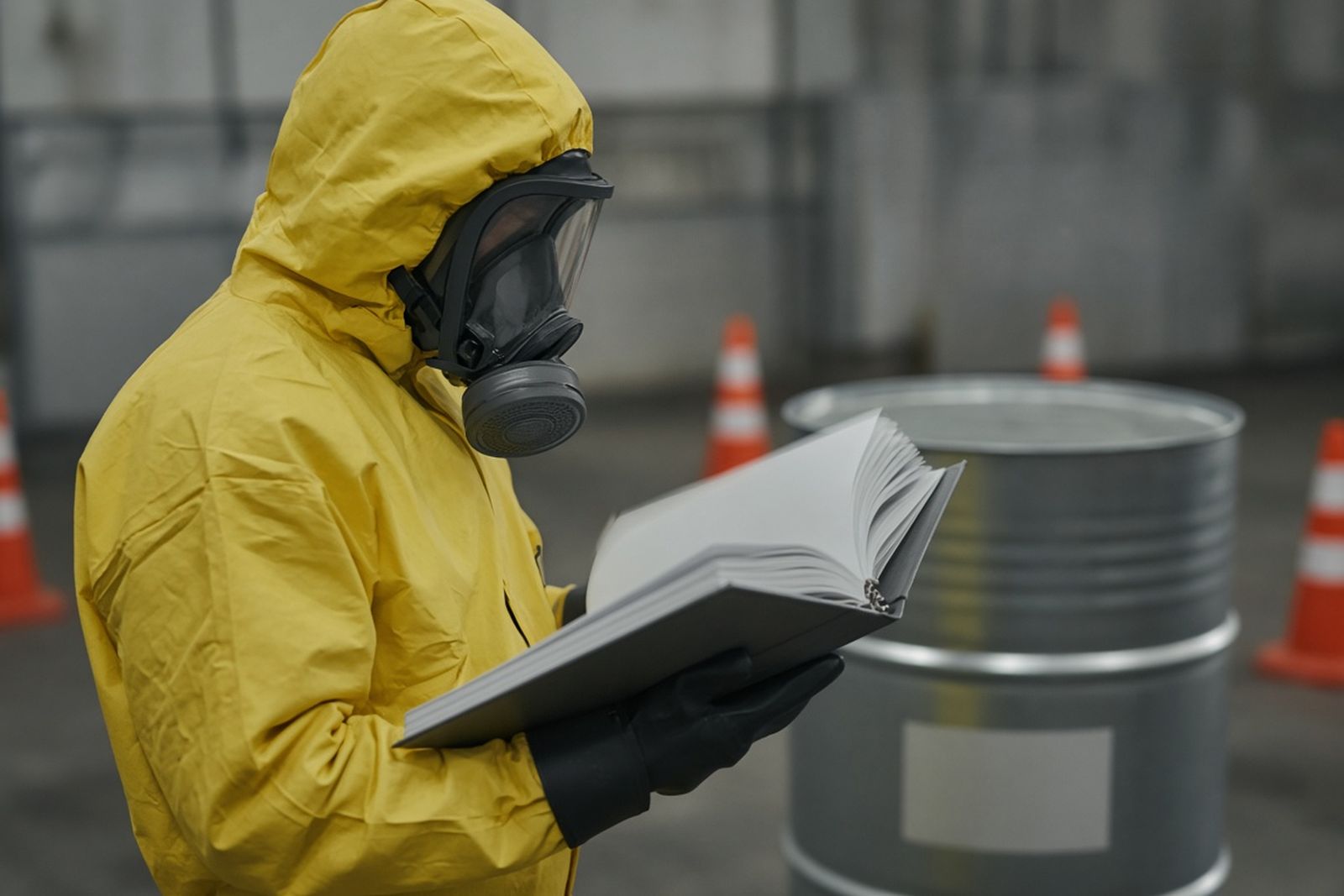
Learn how spill response works for chemicals, fuel, oil, and unknown products. It runs from closing off the area and reading the SDS to waste disposal and reopening.
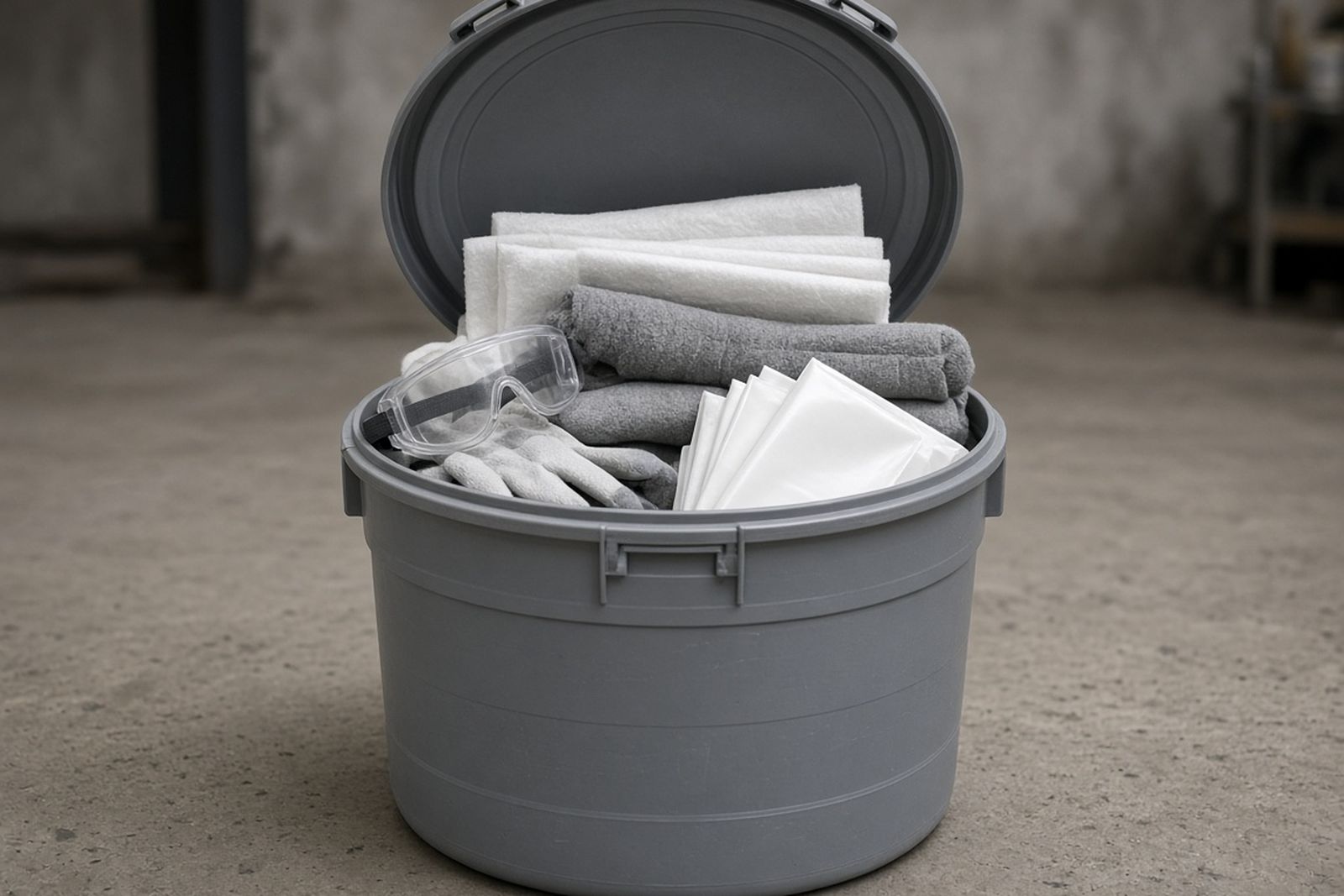
What drives the price, published cost ranges, and how to read a written quote line by line.
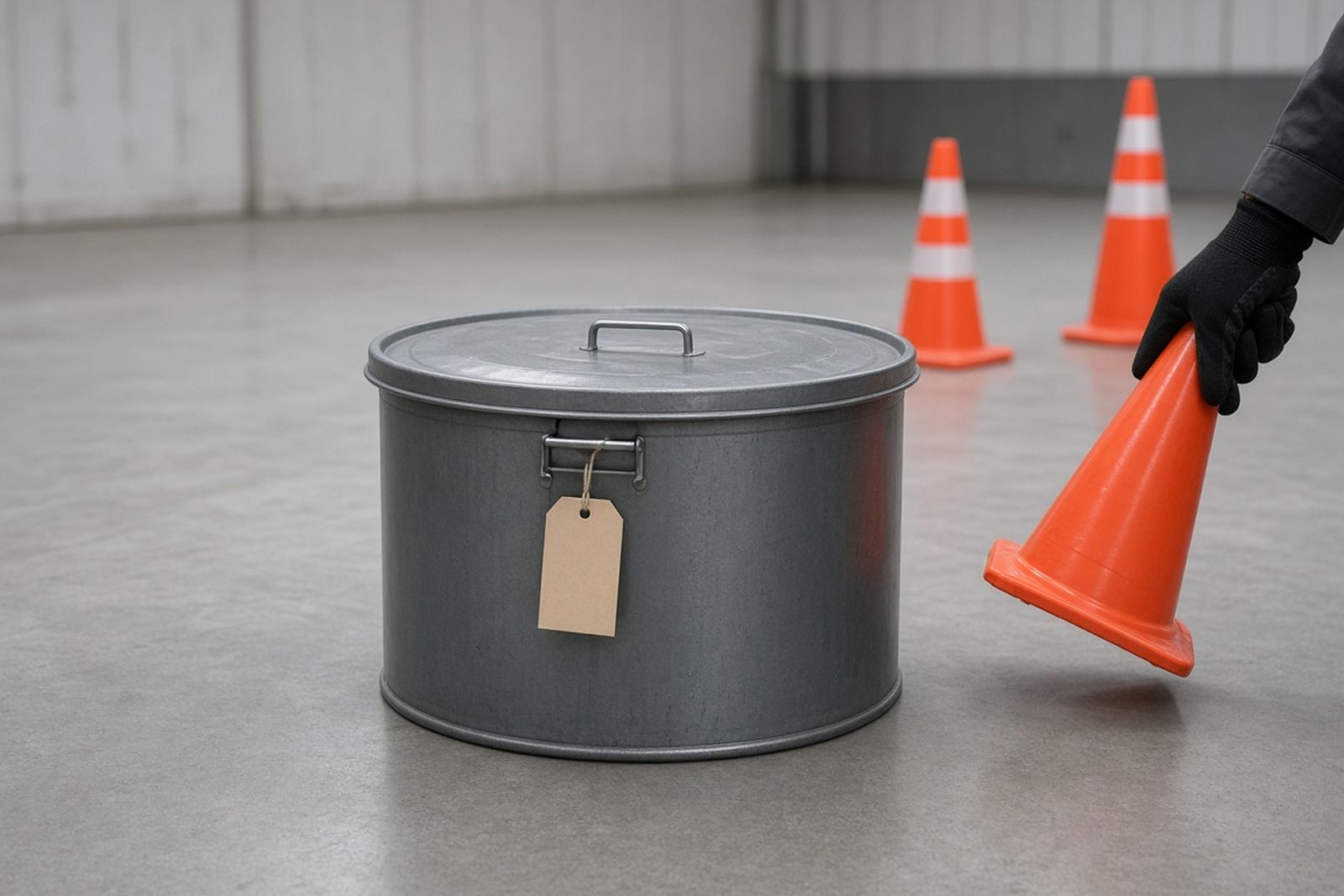
Which policies may respond, how to document a claim, and what to do if coverage is denied.
Hands-on planners help you order the first day, judge staff risk, check contractors, sort spill waste, and organize a claim.
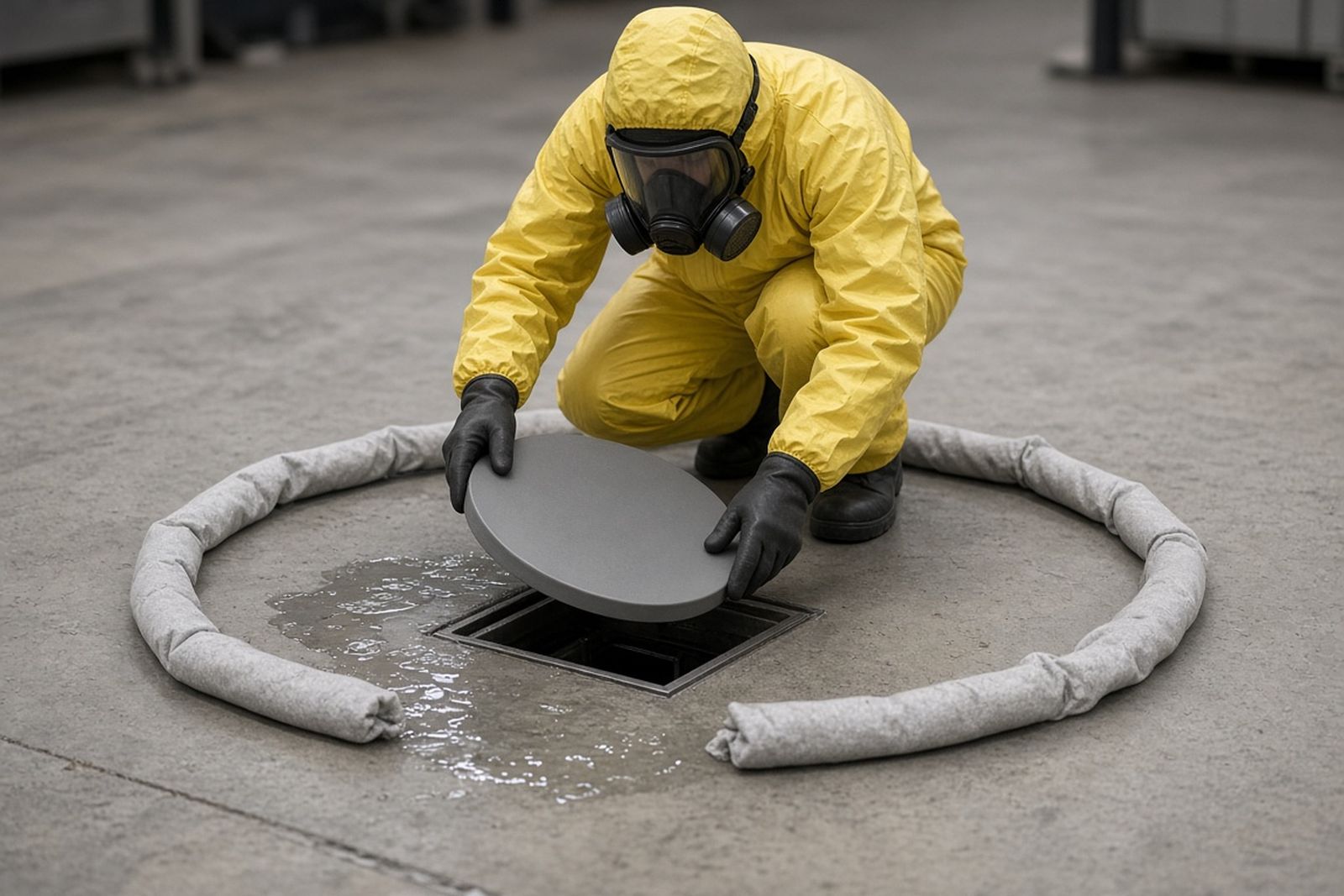
Check what you know about spotting hazards, who is in charge, containment, cleanup, waste, and records with a short quiz for managers.
Useful articles on spill kits, guarding storm drains, battery spills, and who must report. Learn to build a spill file that holds up when an insurer or agency checks it.
Find learning resources and spill response contractor listings for your state, county, and city. See which agencies handle spill reports there, too.